Why Homemade Poultry Seasoning Tastes Better Than Store-Bought
Quick Answer
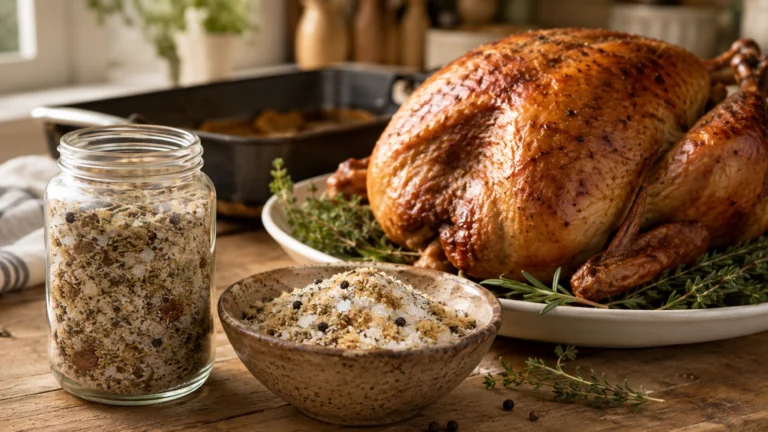
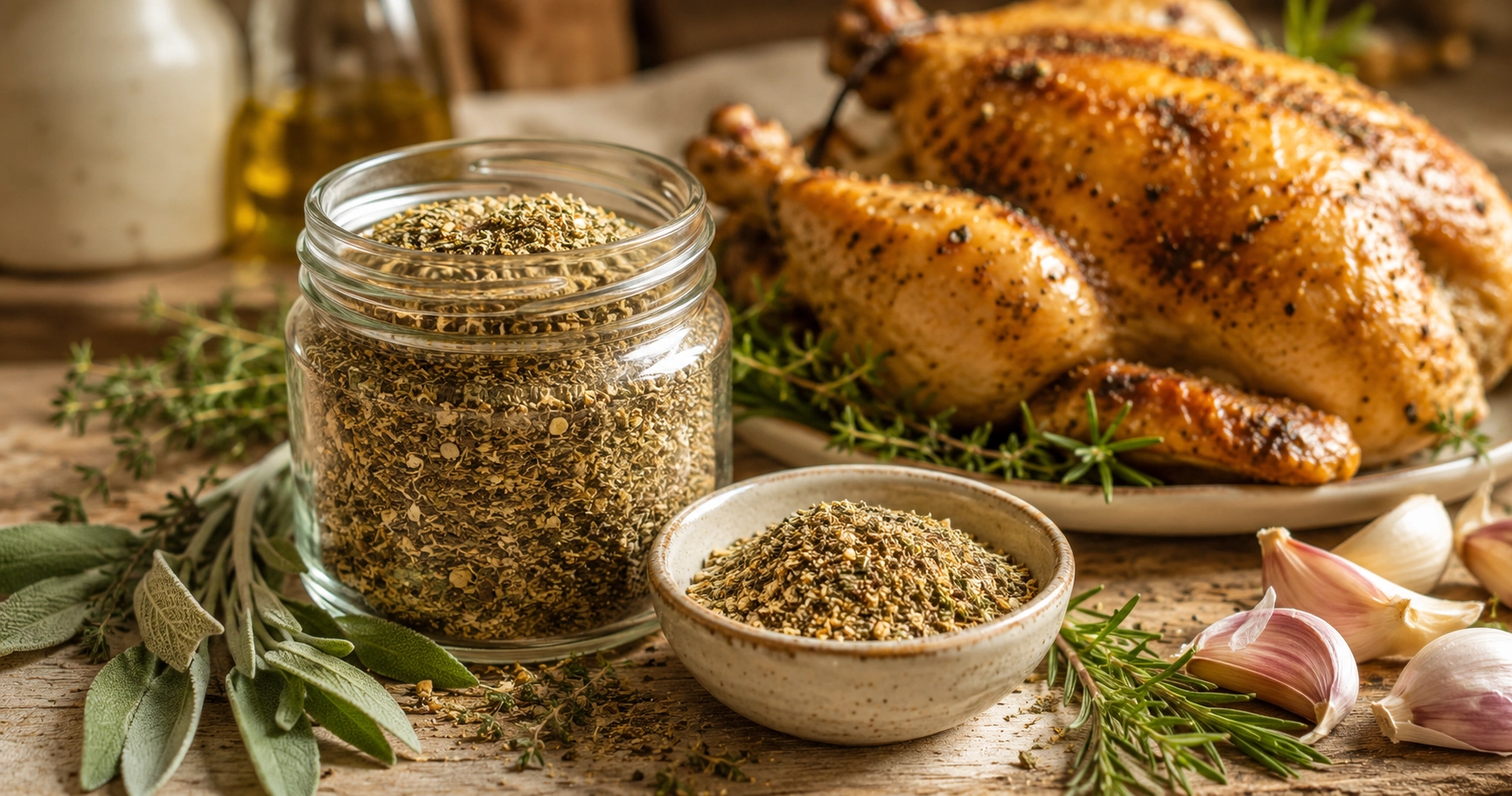
Homemade poultry seasoning is a classic blend of dried herbs and pantry spices that replaces store-bought seasoning while giving you complete control over the herb balance and flavor. It’s easy to mix in just a few minutes and adds savory flavor to chicken, turkey, stuffing, soups, vegetables, and casseroles.
One batch goes far beyond holiday cooking. Homemade poultry seasoning works just as well for weeknight roast chicken, chicken soup, roasted vegetables, and even homemade stuffing, making it a practical pantry staple you’ll reach for throughout the year.
Real-World Observation
Many people first make homemade poultry seasoning after discovering they’re missing a bottle during holiday cooking or while preparing roast chicken. Once they realize it’s made from common dried herbs already sitting in the spice cabinet, it often becomes another homemade pantry staple.
Freshly mixed herbs also produce a noticeably brighter aroma than older bottled blends. Small adjustments to the sage, thyme, rosemary, or marjoram can noticeably change the character of the seasoning while keeping its familiar poultry-friendly flavor.
The Real Food Upgrade
Store-bought poultry seasoning is convenient, shelf stable, and provides a balanced blend of herbs that’s ready whenever you need it. Whether you’re seasoning roast chicken, turkey, stuffing, or soup, it’s an easy option that delivers dependable flavor from one meal to the next.
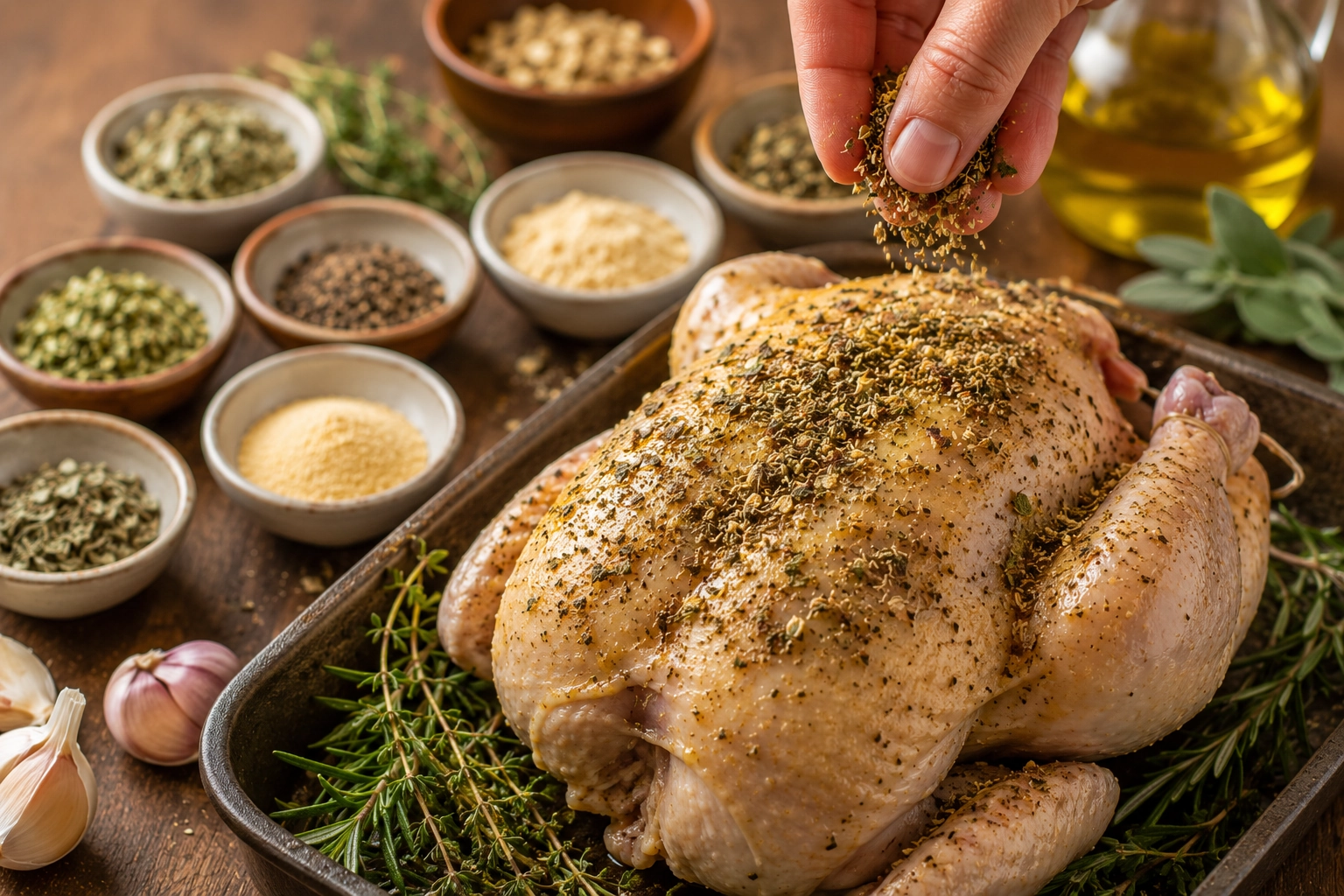
Making homemade poultry seasoning offers greater flexibility. You control the balance of sage, thyme, rosemary, marjoram, and the other herbs while using recognizable pantry ingredients. Whether you prefer a stronger sage flavor, a little extra rosemary, or a completely salt-free blend, it’s easy to customize the seasoning to match your own cooking.
Rather than replacing convenience, the upgrade comes from fresher herb flavor, better customization, and one versatile seasoning blend that works across everything from holiday meals to everyday comfort food.
Why This Recipe Works
Poultry seasoning relies on a balanced combination of earthy herbs rather than one dominant flavor.
Sage provides the signature savory flavor most people associate with poultry seasoning.
Thyme contributes gentle earthy notes that complement both poultry and vegetables.
Marjoram adds mild sweetness and rounds out the stronger herbs.
Rosemary provides aromatic pine-like flavor that pairs naturally with roasted meats.
Black pepper adds gentle warmth without overwhelming the herbs.
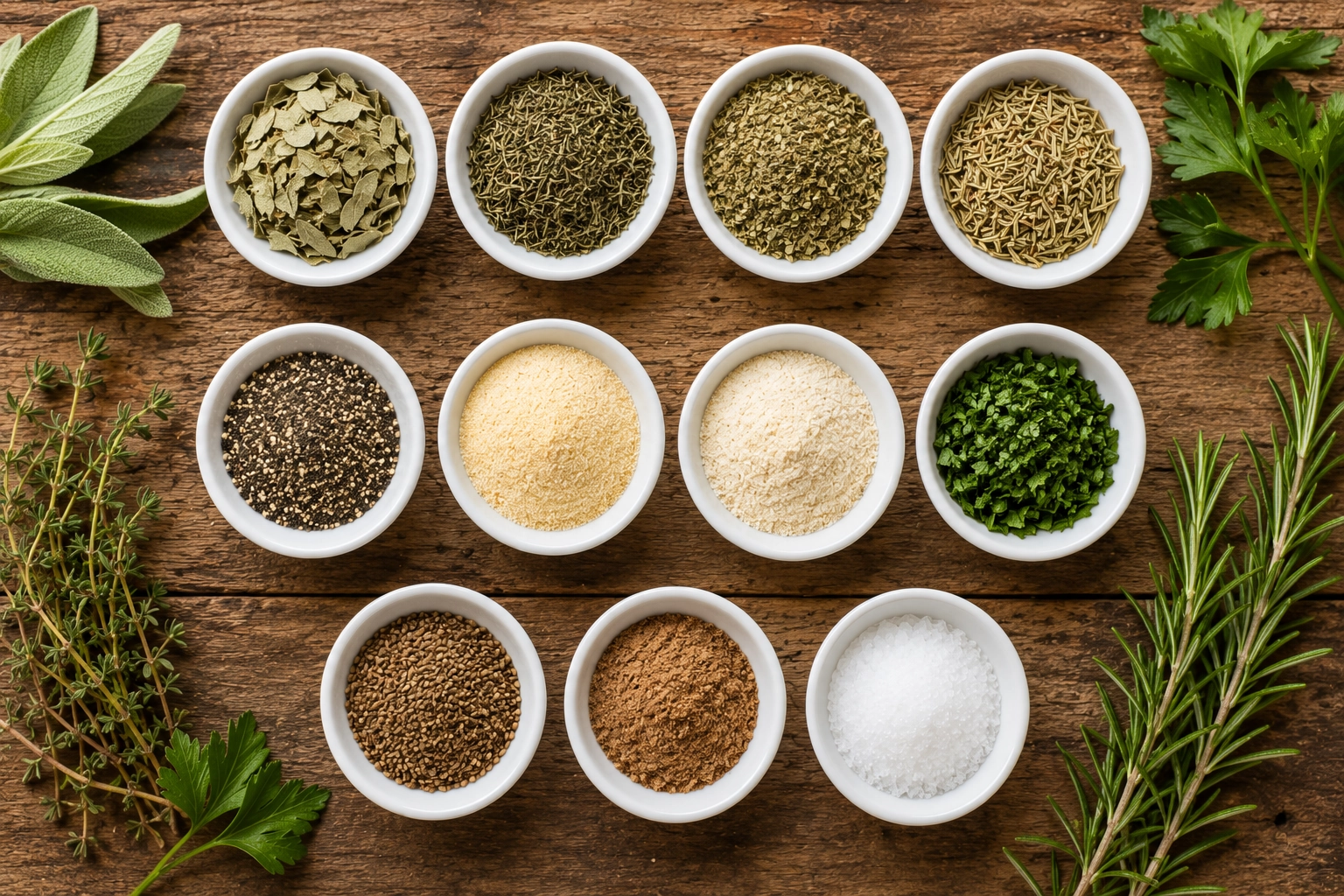
A small amount of garlic powder and onion powder adds extra savory depth while still allowing the herbs to remain the focus.
The blend works because each herb supports the others, creating a seasoning that enhances poultry, stuffing, soups, and vegetables without masking their natural flavor.
Ingredients
Main Ingredients
Optional Additions
Instructions
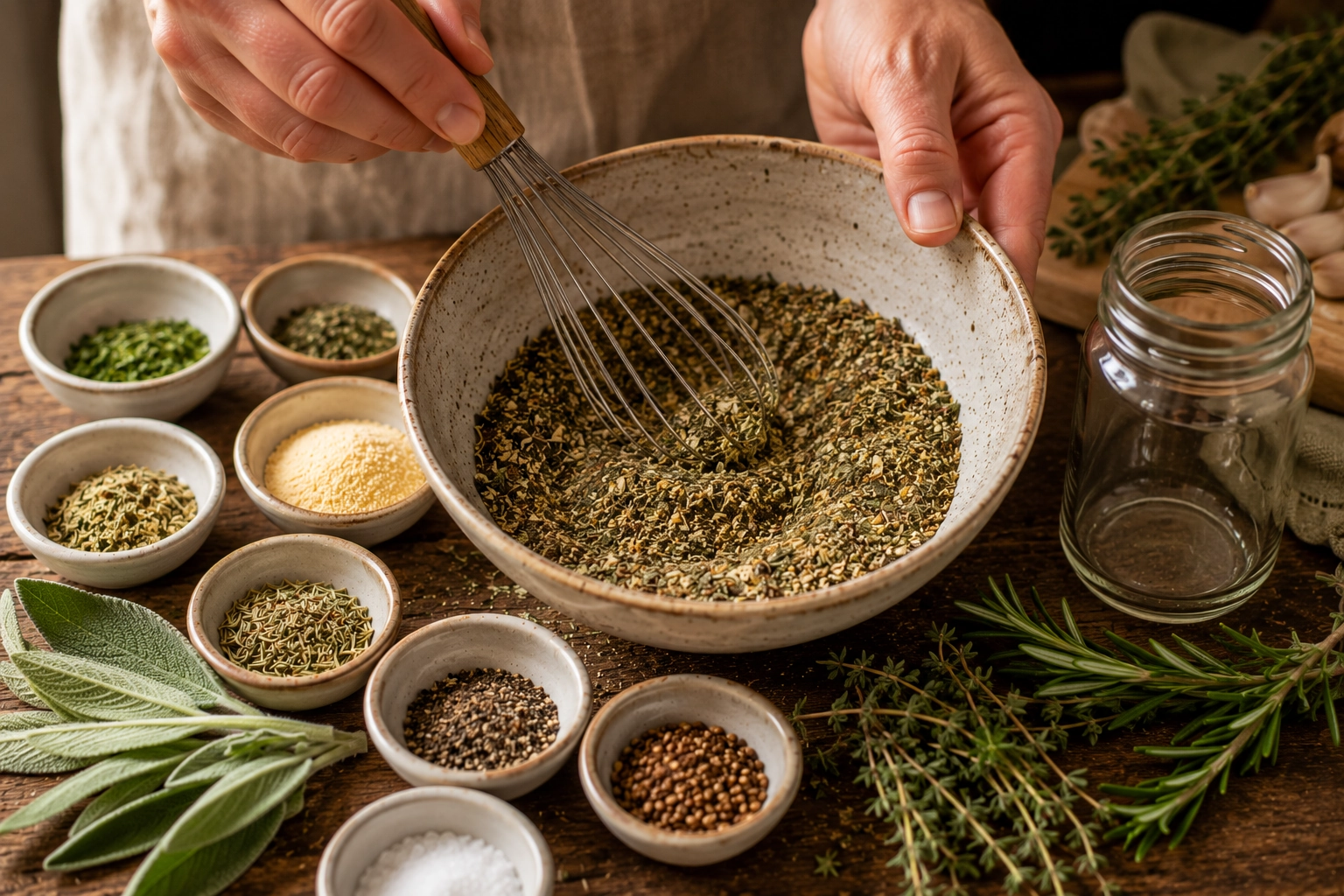
1. Add all of the dried herbs and spices to a small mixing bowl.
2. Stir or whisk until the ingredients are evenly combined.
3. If desired, gently crush larger rosemary leaves with your fingers or a spice grinder for a finer blend.
4. Transfer the seasoning to an airtight spice jar or container.
5. Use to season poultry, stuffing, soups, vegetables, casseroles, and more.
Flavor & Outcome
Homemade poultry seasoning has a savory, herb-forward flavor with earthy sage leading the blend, supported by thyme, marjoram, and rosemary. The garlic and onion powders add subtle depth without overpowering the herbs.
As the seasoning cooks, the herbs become more aromatic, especially when used on roasted chicken or turkey. The balanced blend enhances the natural flavor of poultry while also complementing vegetables, soups, and stuffing.
Serving Ideas
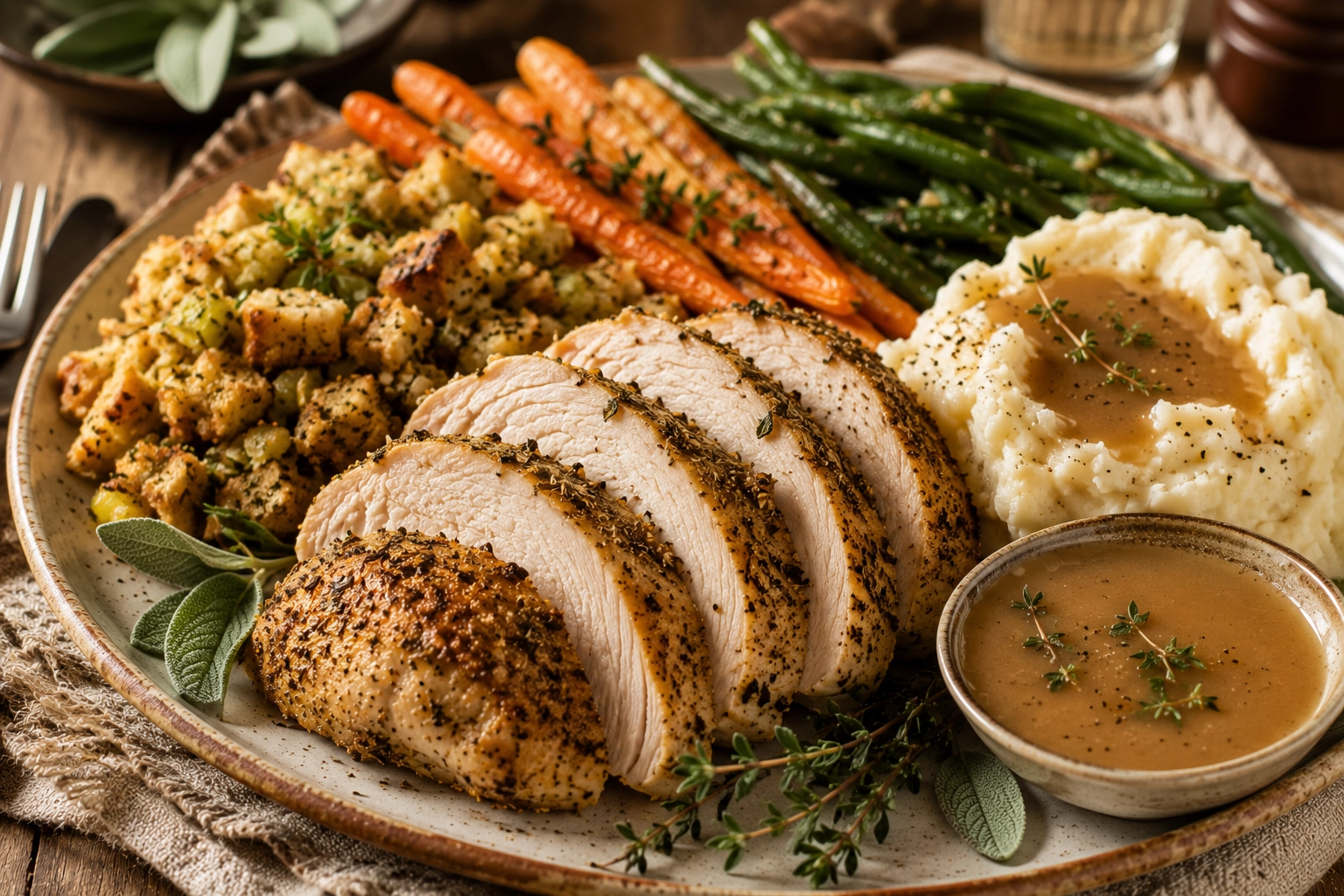
Homemade poultry seasoning is excellent on:
Storage & Make-Ahead Tips
Pantry Storage
Store the poultry seasoning in an airtight container in a cool, dry pantry away from heat, moisture, and direct sunlight. Keeping the container tightly sealed helps preserve the fresh aroma of the dried herbs.
Freezer Suitability
Freezing isn’t recommended since properly stored dried herbs already have a long shelf life when kept in an airtight container.
Shelf Life
For the freshest flavor, use within 6 months. While the seasoning will remain usable longer if kept dry and sealed, the dried herbs gradually lose some of their aroma and flavor over time.
Make-Ahead Notes
Mix a double batch so you’ll always have homemade poultry seasoning ready for roast chicken, turkey, stuffing, soups, and casseroles. Starting with fresh dried herbs helps create the most aromatic and flavorful blend for everyday meals and holiday cooking alike.
Common Questions
What is poultry seasoning made of?
Most homemade poultry seasoning blends include sage, thyme, marjoram, rosemary, black pepper, garlic powder, and onion powder, with optional herbs or spices depending on personal preference.
Does poultry seasoning contain chicken?
No. Poultry seasoning contains only herbs and spices. It’s named for the foods it’s commonly used to season, not because it contains poultry.
Can I make poultry seasoning without salt?
Yes. Many homemade poultry seasoning recipes are naturally salt-free, allowing you to season each recipe separately based on your taste.
What can I use poultry seasoning on?
It’s excellent on chicken, turkey, stuffing, soups, casseroles, roasted vegetables, potatoes, and homemade gravy.
What’s the difference between poultry seasoning and Italian seasoning?
Both use dried herbs, but poultry seasoning is built around sage, thyme, marjoram, and rosemary for savory comfort foods, while Italian herb seasoning typically emphasizes oregano and basil for pasta, pizza, and tomato-based dishes.
Next Real Food Upgrade
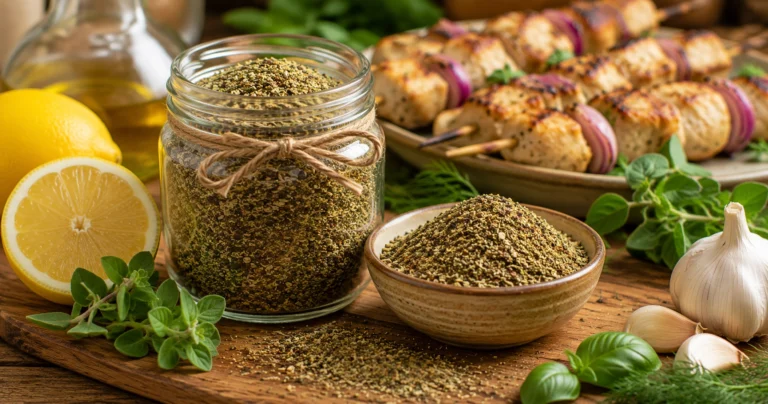
If you enjoyed making homemade poultry seasoning, Homemade Greek Seasoning is another versatile herb blend worth adding to your spice cabinet. While poultry seasoning leans into earthy herbs for comfort foods, Greek seasoning brings brighter Mediterranean flavors to chicken, seafood, vegetables, and marinades. Having both on hand makes it easy to create different flavor profiles using the same simple pantry ingredients.