Why Homemade Pancake Mix Tastes Better Than Boxed Mix
Quick Answer
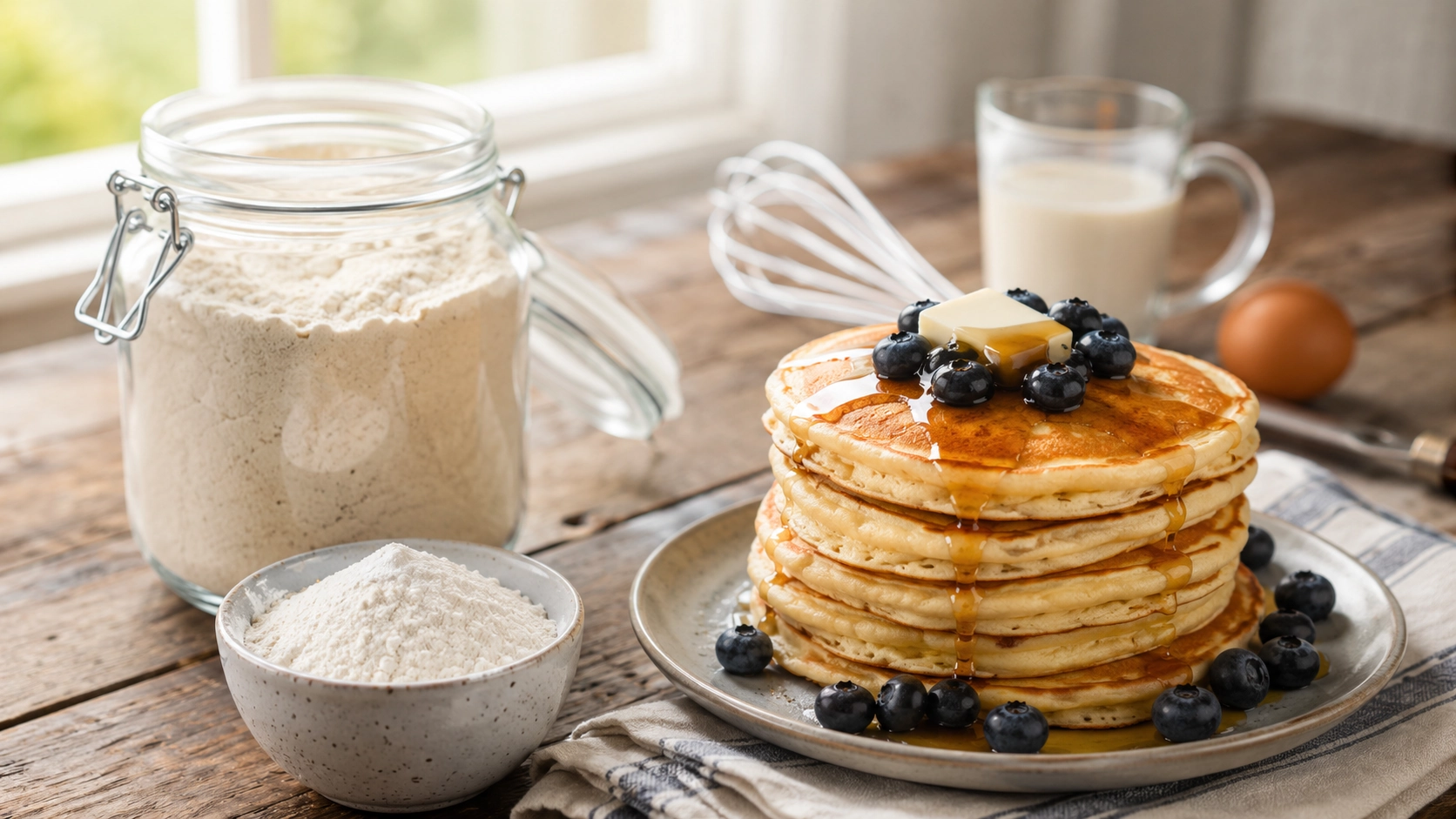
Homemade pancake mix provides the convenience of a boxed mix while giving you control over the flour, sugar, salt, and leavening. The dry ingredients can be measured ahead and stored until breakfast, when you only need to add milk, an egg, and melted butter or oil.
One batch of this homemade pancake mix makes approximately eight to ten medium pancakes. The batter is lightly sweet, tender, and flexible enough for blueberries, chocolate chips, cinnamon, bananas, or seasonal spices.
The practical upgrade is not more work at breakfast. It is doing the dry measuring ahead of time so homemade pancakes can begin with the same scoop-and-stir convenience as a boxed mix.
Real-World Observation
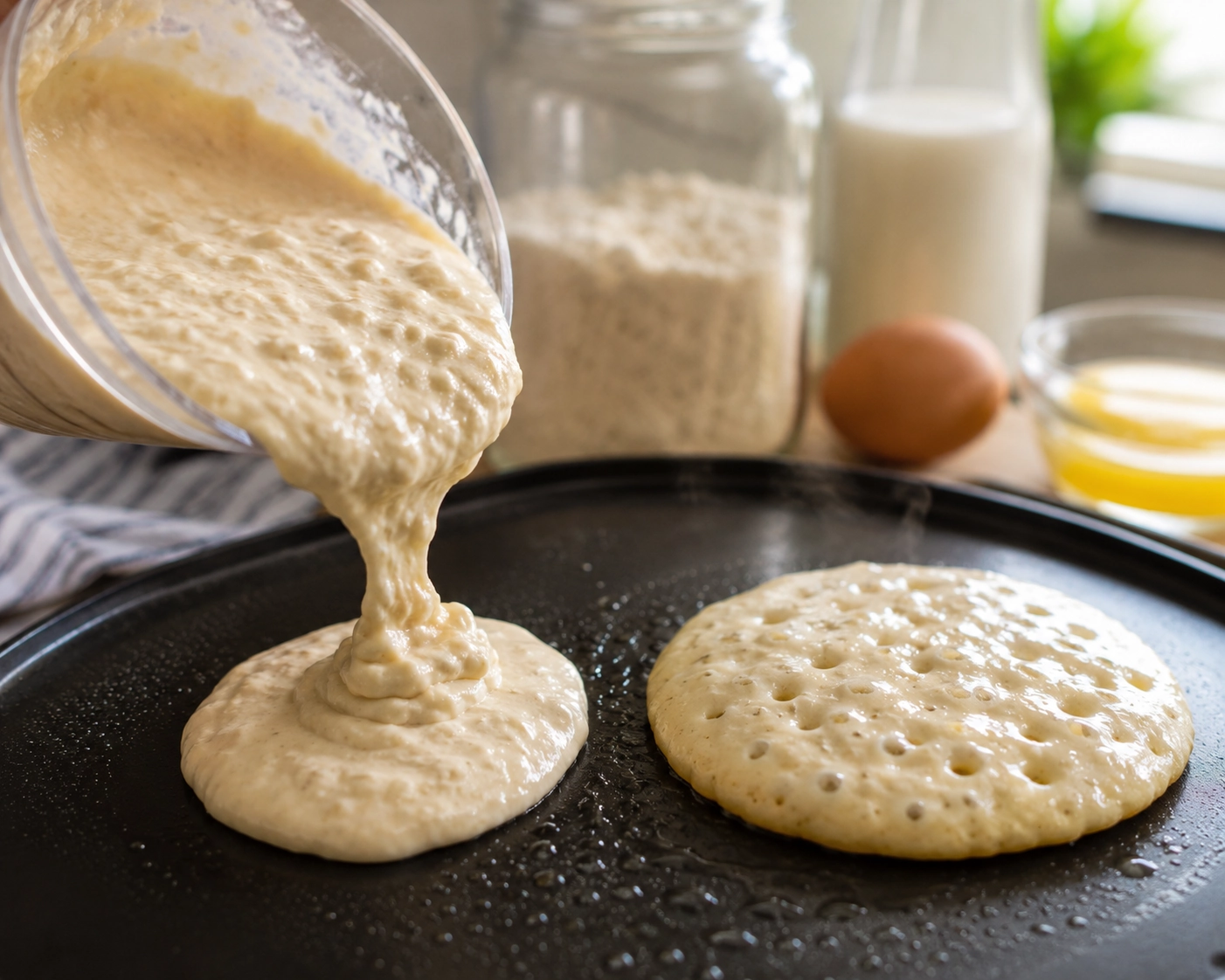
Pancake batter does not need to be perfectly smooth. A few small lumps usually disappear as the batter rests and cooks, while continued stirring can develop the flour and produce pancakes that are firmer or tougher than expected.
The first pancake also acts as a useful temperature check. If it browns before bubbles form across the surface, the griddle is too hot. If it remains pale and spreads slowly, the cooking surface needs more time to heat. Once the temperature is balanced, the remaining pancakes usually cook more evenly.
The Real Food Upgrade
Boxed Pancake Mix
Boxed pancake mixes offer speed, consistent measurements, and dependable results. Some require only water, while others call for milk, eggs, or oil.
That convenience is useful, especially during busy mornings. Depending on the mix, however, the flour, sweetness, salt, fat, and leavening have already been selected.
Homemade Pancake Mix
Homemade pancake mix keeps the convenient part of the boxed version by combining the flour, sugar, baking powder, and salt ahead of time.
The difference is flexibility. You can reduce the sugar, adjust the salt, replace part of the all-purpose flour with whole wheat flour, and choose butter or oil when preparing the batter.
Keeping several separately portioned batches in the pantry also makes the mix dependable. Each container holds the correct amount of baking powder and salt, so breakfast does not require measuring several dry ingredients before the griddle is warm.
Why This Recipe Works
All-purpose flour provides enough structure for the pancakes to hold together while remaining tender. Measuring the flour lightly helps prevent a dry or heavy batter.
Baking powder supplies the lift. One tablespoon per batch may look generous, but it is distributed through the flour and liquid to create bubbles that help the pancakes rise as they cook.
Sugar adds mild sweetness and helps the surfaces brown. Two tablespoons create a lightly sweet pancake that still works with syrup, fruit, butter, or savory breakfast foods.
Salt balances the sugar and keeps the flour from tasting flat.
Milk hydrates the dry mix and creates a pourable batter. Whole milk produces a slightly richer pancake, but 2% milk and many unsweetened nondairy milks also work.
The egg helps the pancakes hold their shape and contributes tenderness.
Melted butter adds a richer flavor and encourages browned edges. Neutral oil produces a softer texture and remains liquid after the pancakes cool.
A short batter rest gives the flour time to absorb the liquid and allows the baking powder to begin working. Five minutes is usually enough.
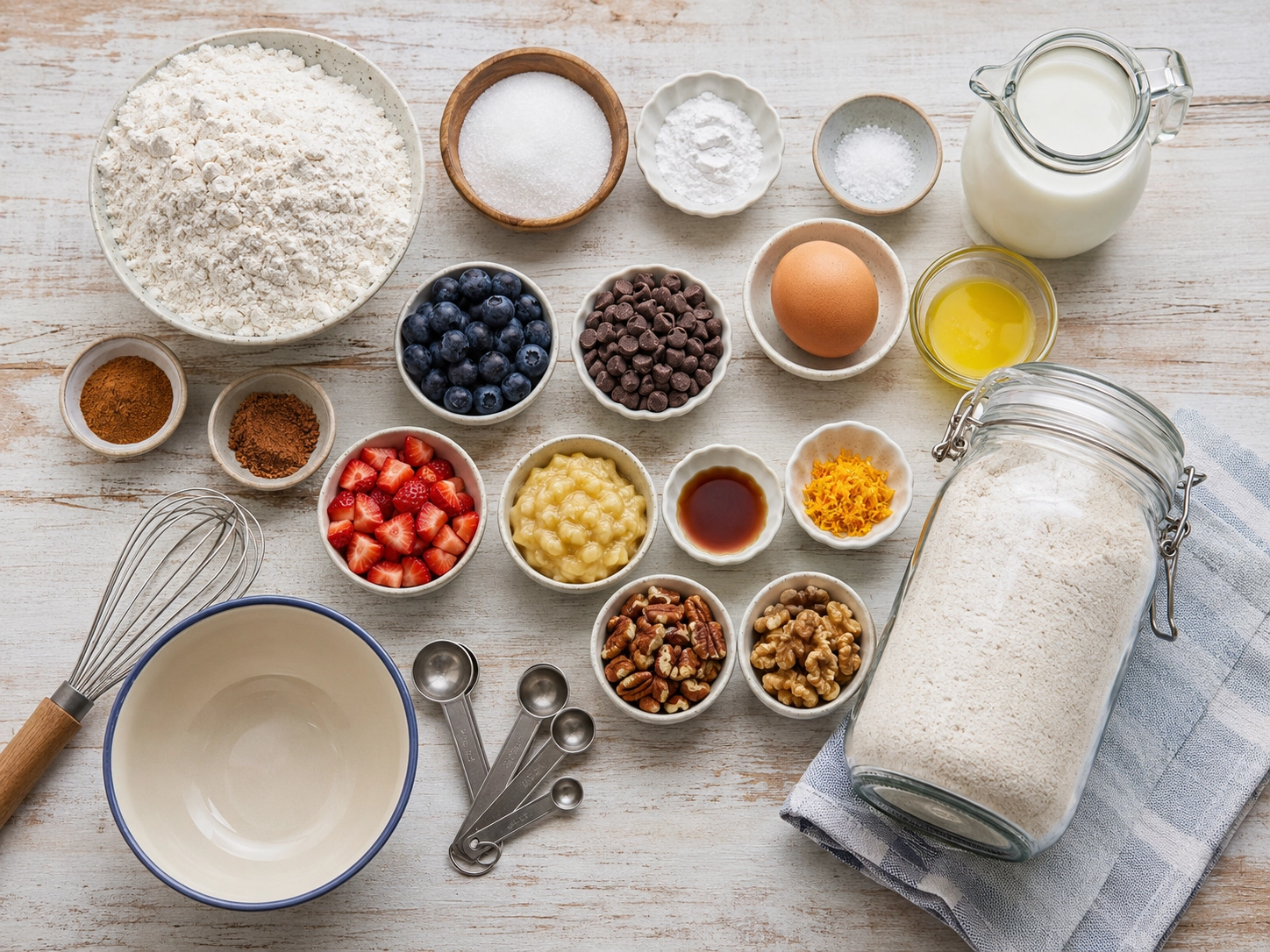
Ingredients
Main Ingredients Homemade Pancake Mix
Optional Additions
Instructions to Prepare the Dry Mix
1. Add the flour, sugar, baking powder, and salt to a medium bowl.
2. Whisk until the baking powder and salt are evenly distributed.
3. Transfer the entire mixture to an airtight jar or container.
4. Label the container with the preparation date and the wet ingredients needed to make one batch.
Instructions to Make the Pancake Batter
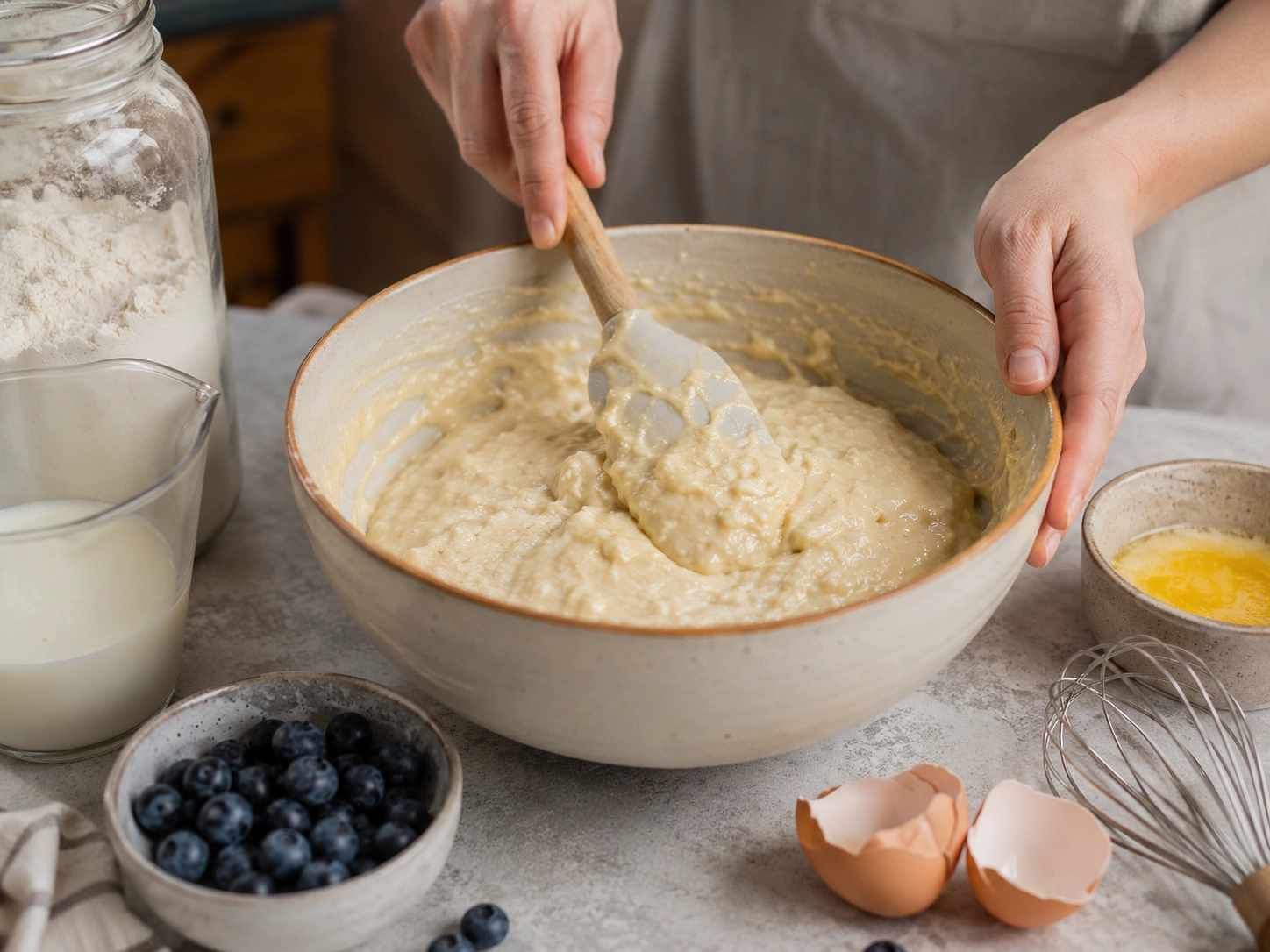
1. Pour one complete batch of Homemade Pancake Mix into a large mixing bowl.
2. Whisk the milk, egg, and melted butter or oil in a separate bowl.
3. Pour the wet ingredients into the dry mix.
4. Stir gently until no large pockets of dry flour remain.
5. Stop mixing while a few small lumps are still visible.
6. Fold in any fruit, chocolate chips, nuts, or spices being used.
7. Let the batter rest for 5 minutes.
Cook the Pancakes
1. Heat a griddle or large skillet over medium to medium-low heat.
2. Lightly grease the cooking surface with butter or oil.
3. Pour approximately ¼ cup batter onto the griddle for each pancake.
4. Cook until bubbles form across the surface and the edges begin to look set, approximately 2 to 3 minutes.
5. Flip each pancake once.
6. Cook the second side for another 1 to 2 minutes, until golden and cooked through.
7. Transfer the pancakes to a plate and repeat with the remaining batter.
How Much Homemade Mix Makes One Batch?
One complete recipe of dry mix makes one batch of approximately eight to ten medium pancakes.
The dry mixture measures about 1⅔ cups after the sugar, baking powder, and salt are combined with the flour. For the most dependable results, prepare and store each batch in a separate container rather than scooping portions from one large jar.
Boxed pancake mixes are sold in several sizes, so there is no universal measurement that replaces an entire box. When comparing individual batches, use one complete homemade portion anywhere you would normally prepare approximately 1⅔ cups of boxed mix.
For multiple make-ahead batches, multiply every dry ingredient by three or four. Divide the mixture into separate jars immediately after whisking so each jar contains the correct balance of flour and leavening.
Add these directions to each label:
Add 1 cup milk, 1 egg, and 2 tablespoons melted butter or oil. Mix gently, rest for 5 minutes, and cook on a greased griddle.
Pancake Mix vs Complete Pancake Mix
A complete pancake mix usually contains additional dry ingredients that allow the batter to be prepared with water alone. Depending on the product, those ingredients may include powdered milk, powdered egg, or a dry fat.
This homemade mix contains only the shelf-stable flour, sugar, baking powder, and salt. Fresh milk, egg, and melted butter or oil are added when the pancakes are prepared.
Requiring a few wet ingredients still keeps breakfast simple while allowing you to choose the milk and fat used in the finished pancakes.
Pancake Mix vs Waffle Mix
Pancake and waffle batters often contain similar ingredients, but waffles generally benefit from additional fat and sometimes extra sugar. The added fat helps the exterior become crisper in the waffle iron.
This pancake mix can be used as a waffle base by increasing the melted butter or oil to ¼ cup. The exact amount of batter needed will depend on the size of the waffle iron.
For pancakes, keep the fat at 2 tablespoons to maintain a tender texture without making the batter unnecessarily heavy.
Flavor & Outcome
The finished pancakes have a lightly sweet flavor with a soft interior and evenly browned surfaces. They are neutral enough to serve with fruit and syrup but still have enough seasoning to avoid tasting plain.
Butter gives the pancakes a richer aroma and slightly more noticeable browned edges. Oil produces a softer, more flexible pancake, which can be useful when leftovers will be refrigerated or frozen.
The batter should be thick enough to spread slowly after it reaches the griddle. If it remains in a tall mound, stir in milk one tablespoon at a time. If it spreads immediately into a thin circle, add a small spoonful of flour or allow it to rest for a few additional minutes.
The pancakes are softest immediately after cooking. As they cool, steam escapes and the crumb becomes slightly firmer.
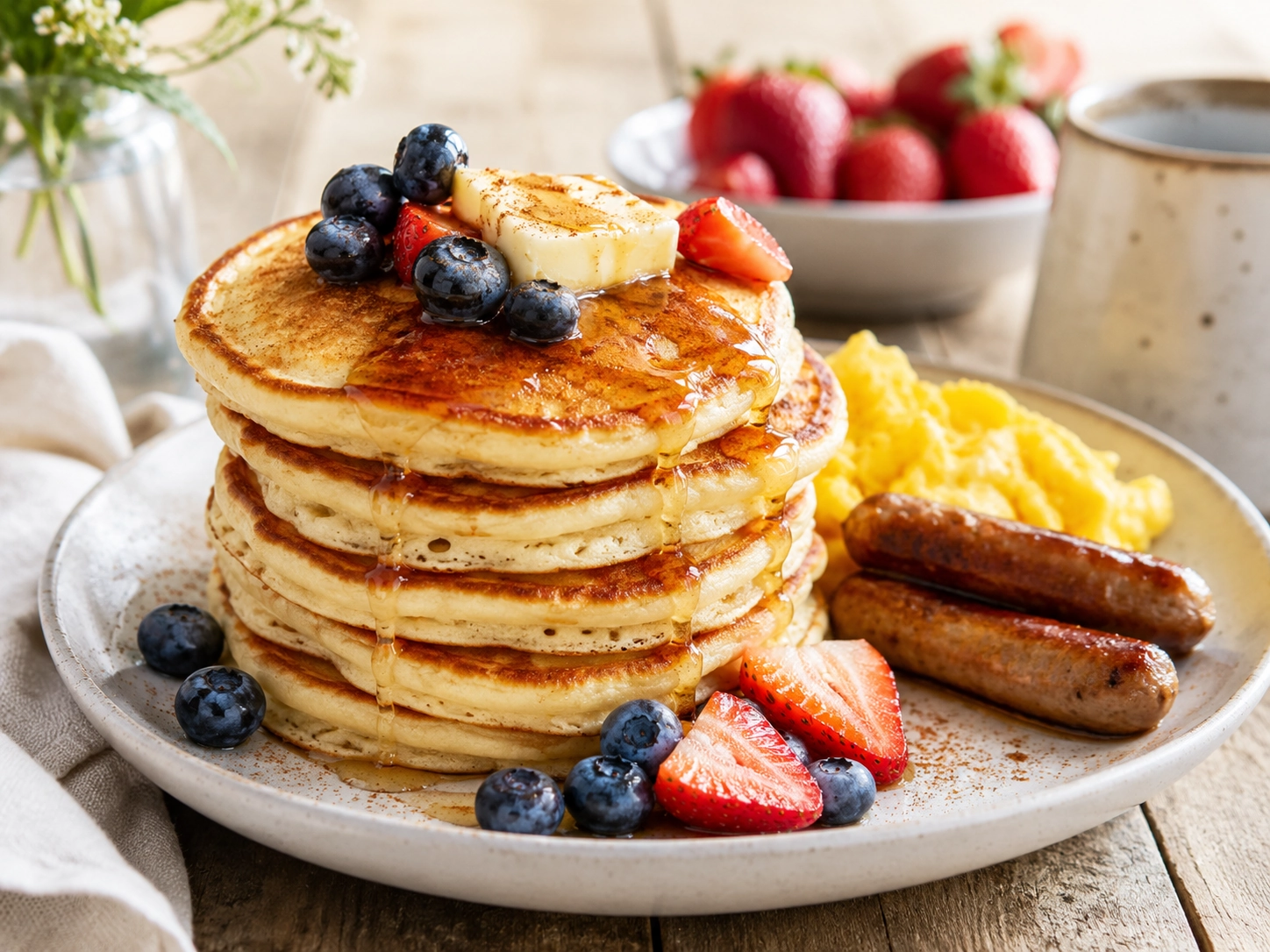
Serving Ideas
Serve homemade pancakes with:
Storage & Make-Ahead Tips
Pantry Storage
Store the dry mix in an airtight container in a cool, dry pantry. Keep it away from the stove, dishwasher, or other areas where steam may enter the container.
Freezer Suitability
The dry mix can be frozen, although pantry storage is usually sufficient.
Cooked pancakes freeze well for approximately two months. Cool them completely, separate them with parchment paper, and place them in a freezer-safe container or bag.
Reheat frozen pancakes in a toaster, microwave, skillet, or low oven.
Shelf Life
For the most dependable rise, use the dry pancake mix within three months.
The ingredients may remain usable longer, but baking powder gradually loses strength after opening. Older leavening can produce flatter, denser pancakes even when the batter is mixed correctly.
Make-Ahead Notes
Prepare several individually portioned batches and label each container with the wet ingredients and cooking directions.
Avoid mixing the batter the night before. Extended resting gives the flour more time to absorb liquid and reduces the effectiveness of the baking powder, which can create thicker, flatter pancakes.
For faster mornings, cook the pancakes ahead and refrigerate or freeze them instead.
Common Questions
What is homemade pancake mix made of?
Homemade pancake mix is made from all-purpose flour, granulated sugar, baking powder, and salt. Milk, egg, and melted butter or oil are added when it is time to prepare the batter.
Why are my homemade pancakes dense or flat?
Dense pancakes can result from old baking powder, overmixed batter, too much flour, or a griddle that is not hot enough.
Mix only until the dry flour disappears, allow the batter to rest for 5 minutes, and make sure the cooking surface is properly heated before adding the batter.
Can I reduce or omit the sugar?
Yes. The sugar can be reduced to 1 tablespoon or omitted for a more neutral pancake.
Pancakes made without sugar may brown less deeply, but the remaining measurements do not need to change.
Can I replace some of the all-purpose flour?
Yes. Replace up to half of the all-purpose flour with whole wheat flour. The batter may absorb slightly more liquid, so add an extra tablespoon or two of milk if it becomes too thick.
Can I make the batter ahead of time?
The dry mix can be prepared well in advance, but the wet batter is best cooked soon after mixing. For a fully make-ahead breakfast, cook and freeze the pancakes rather than refrigerating uncooked batter overnight.
Next Real Food Upgrade
After making your own Homemade Pancake Mix, try Homemade Cornbread Mix. Both are practical make-ahead baking mixes that replace boxed shortcuts, but cornbread mix creates a savory or lightly sweet side for chili, soup, barbecue, casseroles, and holiday meals.