Why Homemade Italian Herb Seasoning Tastes Better Than Store-Bought
Quick Answer
Homemade Italian herb seasoning is a simple blend of dried herbs that brings together the classic flavors of oregano, basil, thyme, rosemary, and other pantry staples. Mixing your own takes only a few minutes, creates a fresher, more aromatic seasoning, and lets you adjust the balance of herbs to suit your favorite recipes.
Many people start making homemade Italian herb seasoning after realizing they already have most of the ingredients in their spice cabinet. Instead of buying another seasoning blend, one homemade batch can replace a store-bought bottle while seasoning everything from pasta sauce and pizza to roasted vegetables, chicken, soups, and homemade dressings.
Real-World Observation
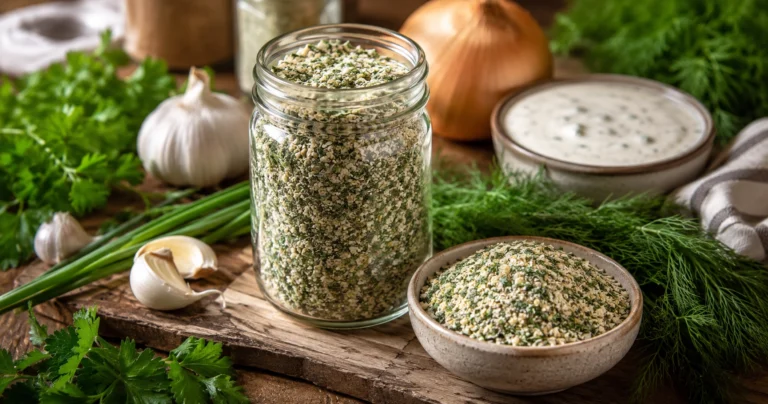
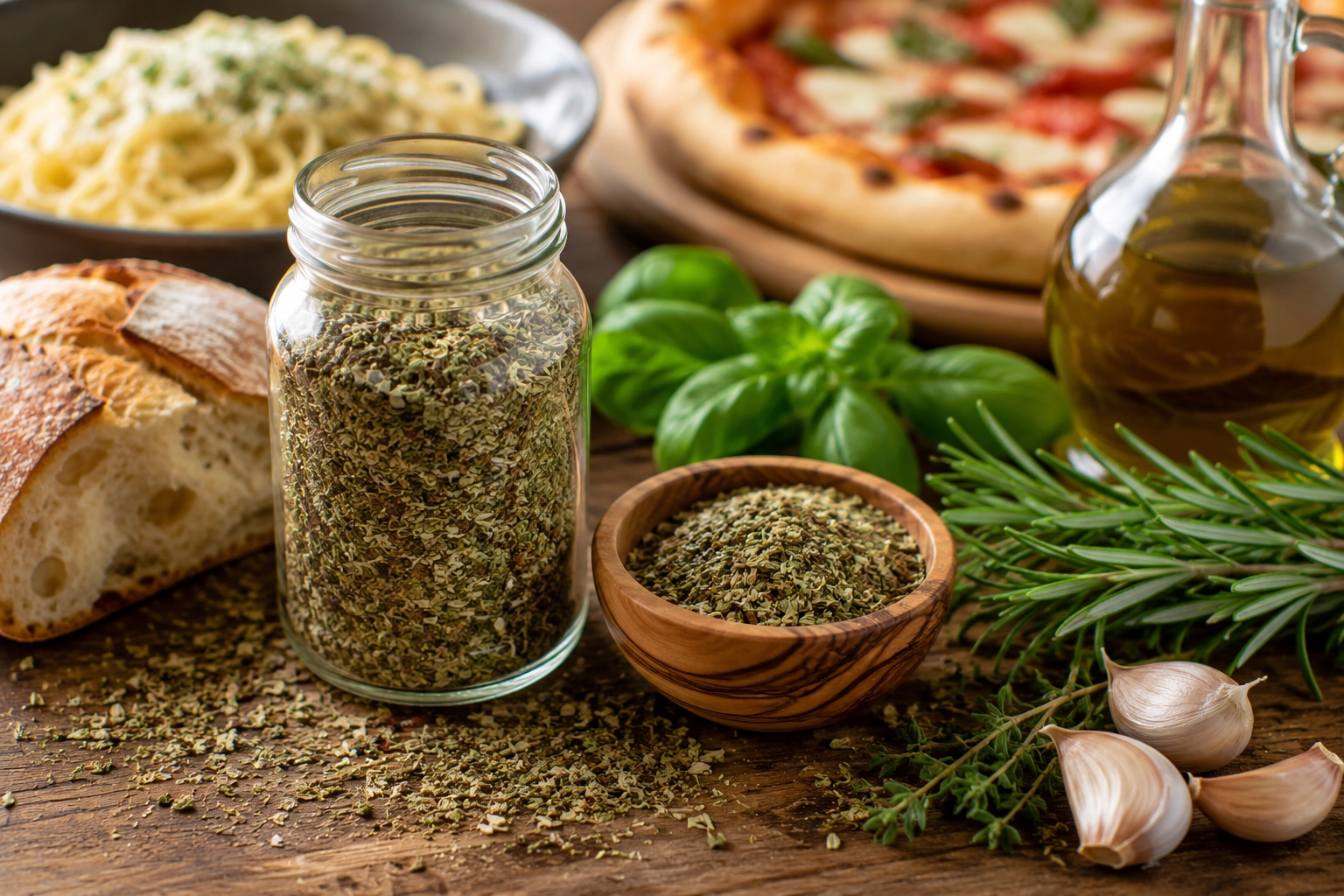
One of the first things you’ll notice after mixing a homemade Italian herb seasoning is its aroma. Freshly combined dried herbs release a much stronger fragrance than seasoning blends that may have been sitting on a store shelf or in the pantry for months.
Many home cooks also discover that homemade Italian seasoning becomes an everyday pantry staple rather than something reserved for Italian recipes. Small adjustments to the oregano, basil, or rosemary can noticeably change the personality of the blend, making it easy to tailor for everything from pizza to roasted vegetables.
The Real Food Upgrade
Store-bought Italian seasoning is convenient, shelf stable, and provides a consistent blend of herbs every time you open the bottle. For many recipes, it’s an easy and dependable option.
Making homemade Italian herb seasoning offers greater flexibility. You control the balance of oregano, basil, thyme, rosemary, and the other herbs while using spices that may already be in your pantry. Over time, mixing your own can also be more economical than purchasing multiple small bottles or replacing a pre-mixed blend whenever it runs out.
Rather than changing the ingredients dramatically, the upgrade comes from fresher flavor, better customization, and one versatile seasoning blend that works across a wide variety of recipes.
Why This Recipe Works
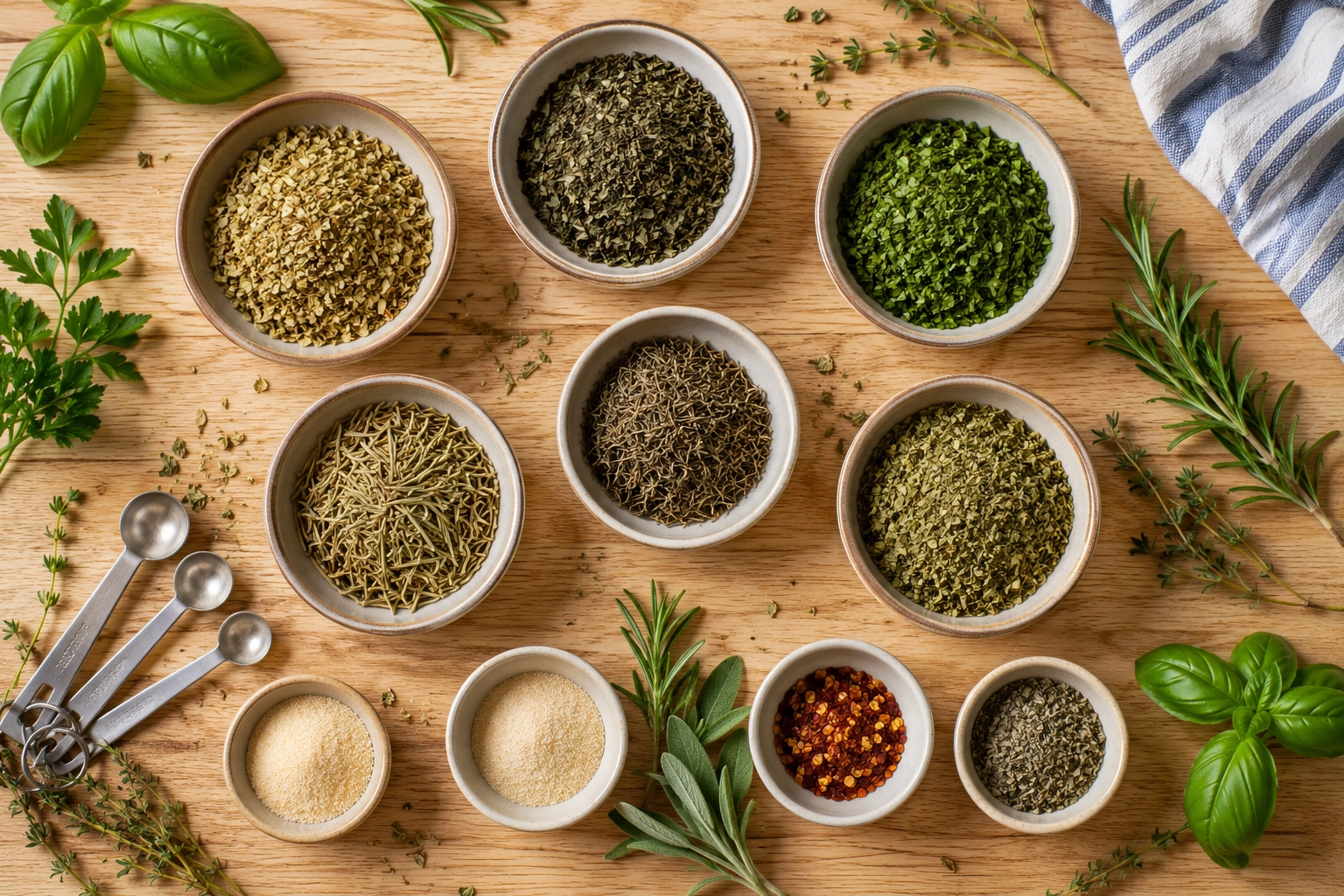
Oregano provides the signature flavor that most people associate with Italian seasoning.
Basil adds a mild sweetness that softens the sharper herbs and creates a balanced foundation.
Thyme contributes earthy depth that complements sauces, roasted vegetables, and meats.
Rosemary brings a distinctive pine-like aroma that adds complexity without becoming overpowering.
Marjoram rounds out the blend with a gentle herbal sweetness that helps tie the other flavors together.
Parsley adds freshness and lightness while helping create a well-rounded seasoning.
Optional garlic powder and onion powder transform the blend into an even more versatile all-purpose seasoning for vegetables, meats, breads, and marinades.
No single herb should dominate. The blend works because each herb supports the others, creating a balanced seasoning that complements food rather than masking it.
Ingredients
Main Ingredients
Optional Additions
Instructions
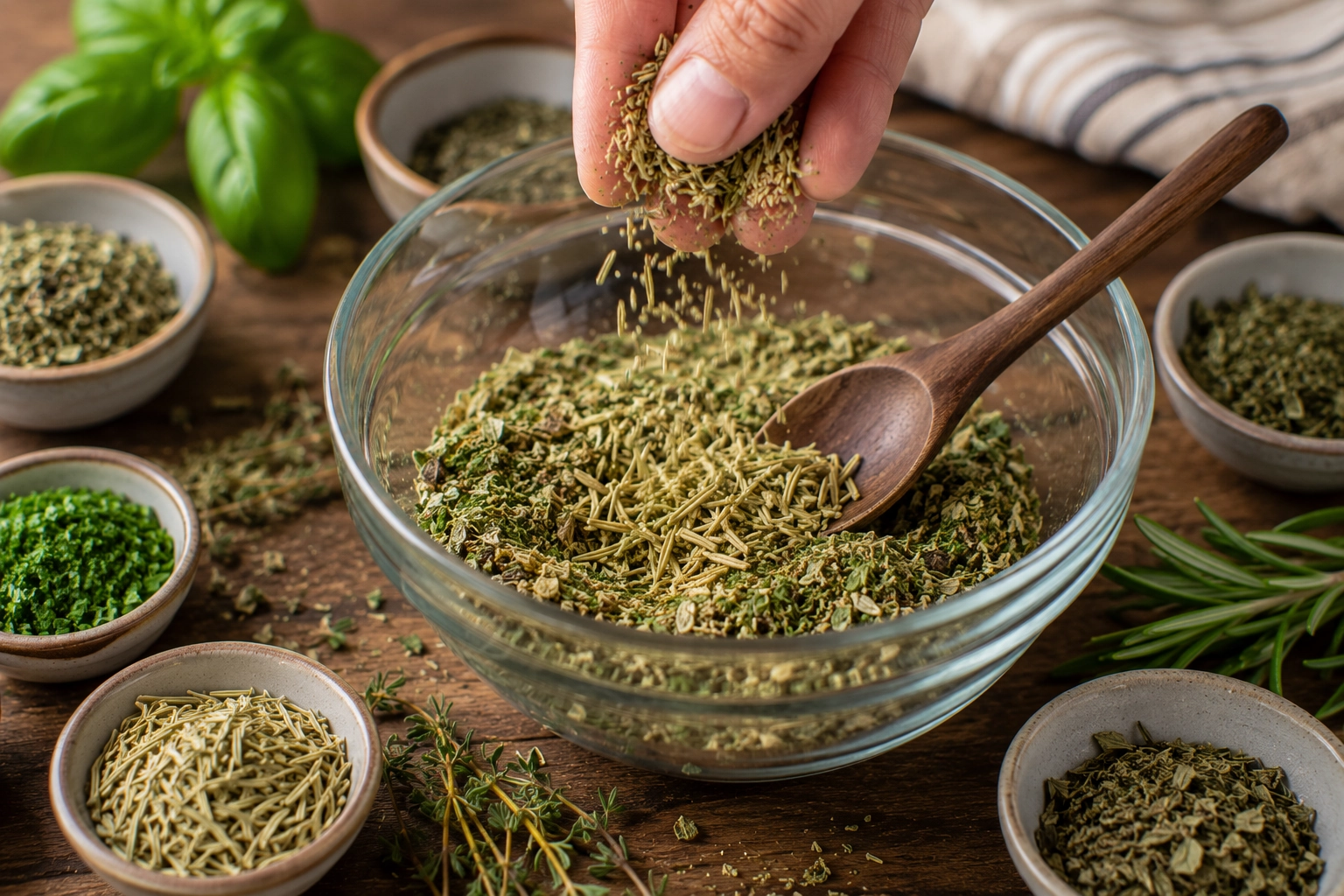
1. Measure all of the dried herbs into a small mixing bowl.
2. Crush the rosemary lightly between your fingers if the pieces are large.
3. Stir the herbs together until evenly combined.
4. Add any optional ingredients and mix again.
5. Transfer the seasoning to an airtight spice jar.
6. Store in a cool, dry pantry until ready to use.
Flavor & Outcome
This homemade Italian herb seasoning delivers a balanced blend of earthy, sweet, and aromatic herbs without allowing any single flavor to dominate. Oregano leads the blend while basil softens it, thyme adds depth, and rosemary contributes subtle woodsy notes.
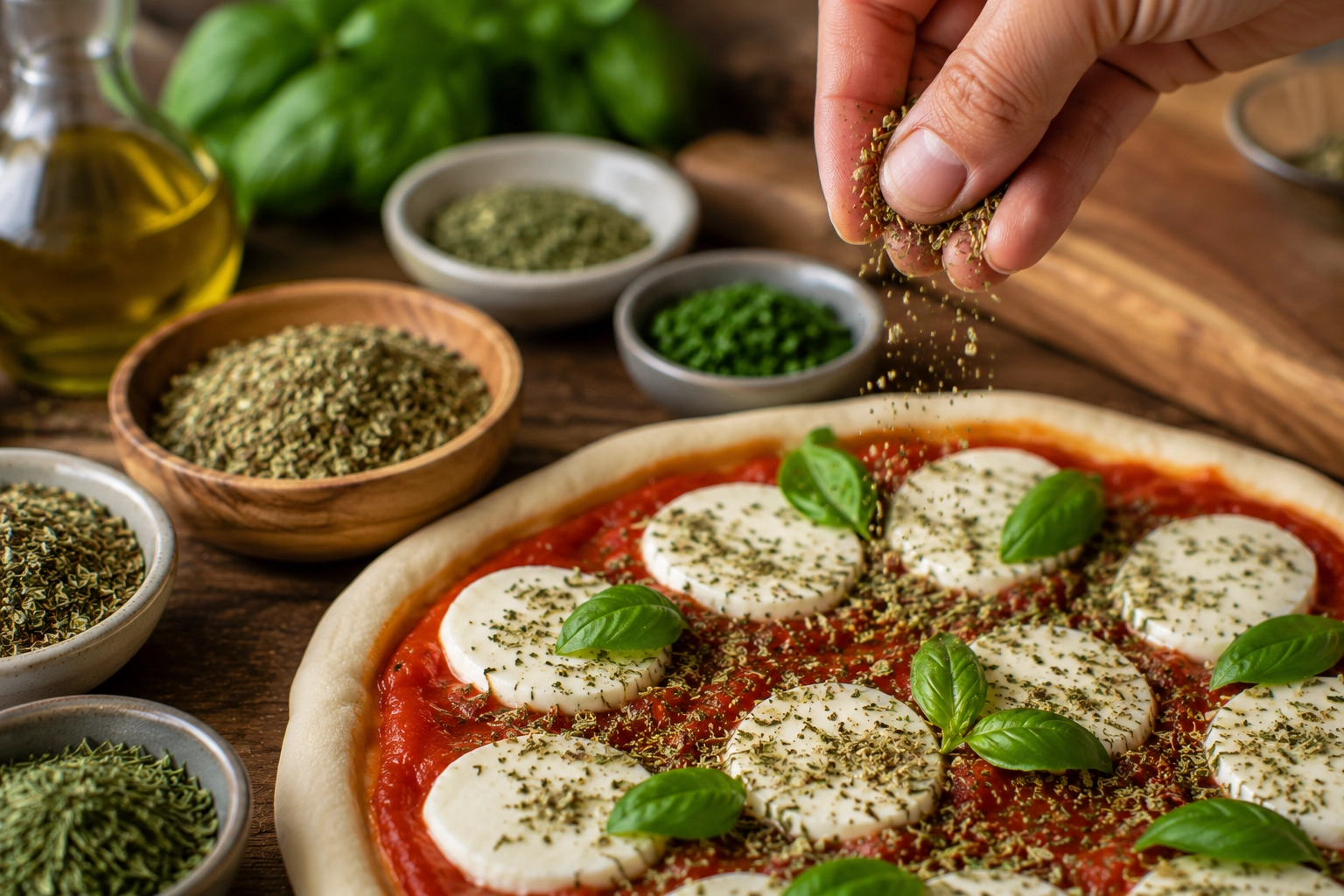
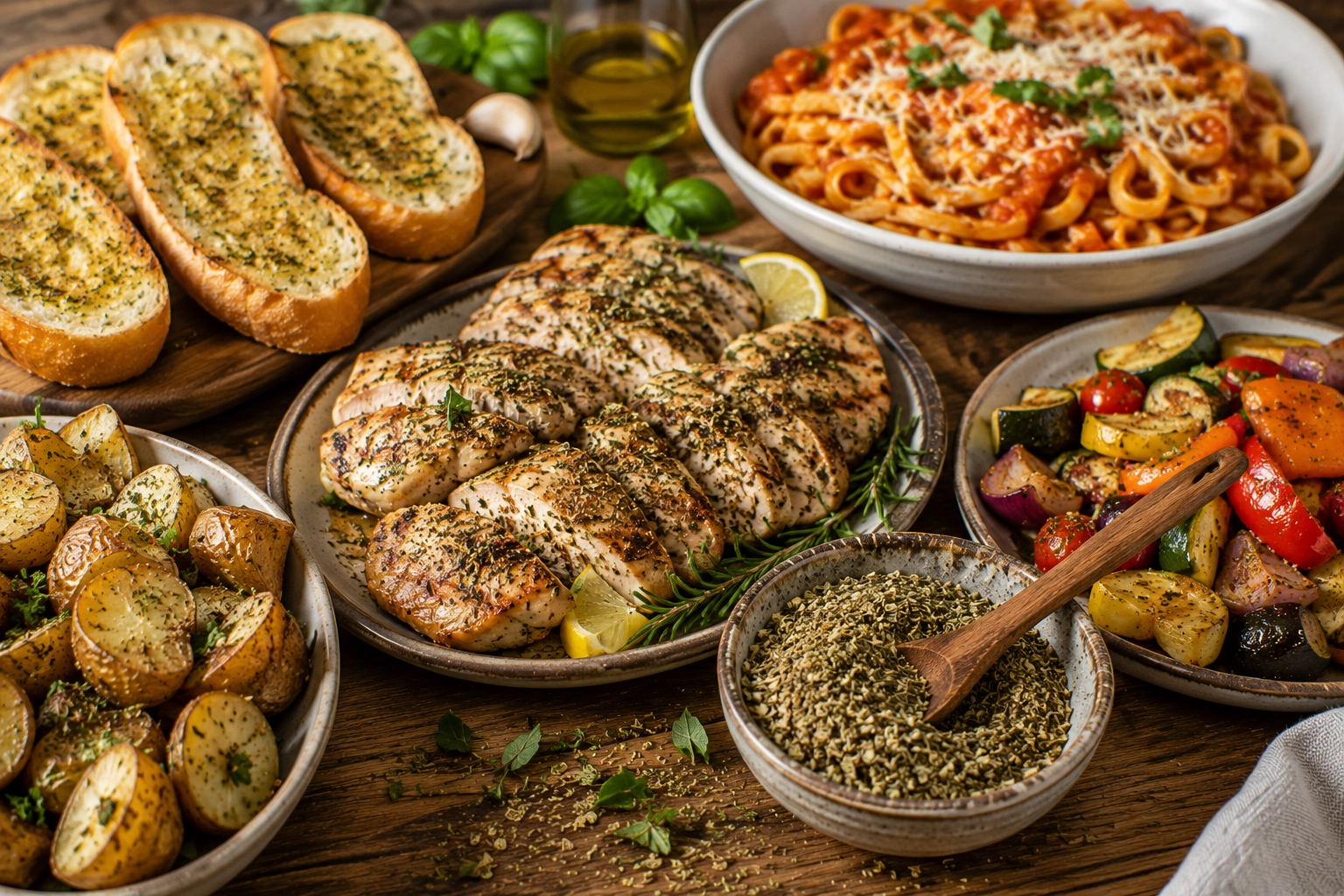
Freshly mixed herbs create a brighter aroma than many older seasoning blends, making the seasoning especially noticeable when sprinkled over pizza, stirred into pasta sauce, or mixed into olive oil for bread dipping.
Serving Ideas
Homemade Italian herb seasoning works well with:
Storage & Make-Ahead Tips
Pantry Storage
Mix a larger batch at the beginning of grilling season so you’ll always have homemade BBQ rub ready for chicken, ribs, pork, burgers, vegetables, and more. Using fresh spices gives the blend its boldest flavor and aroma.
Freezer Storage
Freezing isn’t recommended since properly stored dried herbs already have a long shelf life when kept in an airtight container.
Shelf Life
For the freshest flavor, use within 6 months. While the seasoning will remain usable longer if stored properly, the dried herbs gradually lose some of their aroma and flavor over time.
Make-Ahead Notes
Mix a larger batch so you’ll always have homemade Italian herb seasoning ready for pasta sauces, pizza, roasted vegetables, garlic bread, marinades, and dressings. Starting with fresh dried herbs creates the brightest flavor in every batch.
Common Questions
Can I leave out rosemary?
Yes. Rosemary has a bold flavor, so reducing or omitting it creates a softer herb blend if you prefer.
Do I need marjoram?
Marjoram adds subtle sweetness, but if you don’t have it, simply increase the basil or oregano slightly.
Can I add garlic powder?
Absolutely. Garlic powder and onion powder create a more versatile all-purpose seasoning that works well on meats and vegetables.
What recipes use Italian herb seasoning?
It’s commonly used in pasta sauces, pizza, soups, marinades, roasted vegetables, meatballs, salad dressings, garlic bread, and bread dipping oil.
Why does homemade Italian seasoning smell stronger?
Freshly mixed dried herbs retain more of their natural aroma than older seasoning blends that have been stored for longer periods.
Next Real Food Upgrade
If you enjoyed making homemade Italian herb seasoning, Homemade Ranch Dressing is another easy pantry upgrade. Both recipes show how a handful of familiar herbs can create fresher flavor while giving you complete control over the final result. As your collection of homemade staples grows, this seasoning also pairs naturally with homemade garlic herb butter, roasted garlic aioli, and future favorites like homemade Italian dressing, pizza sauce, and marinara.