Why Homemade Fajita Seasoning Tastes Better Than Store-Bought
Quick Answer
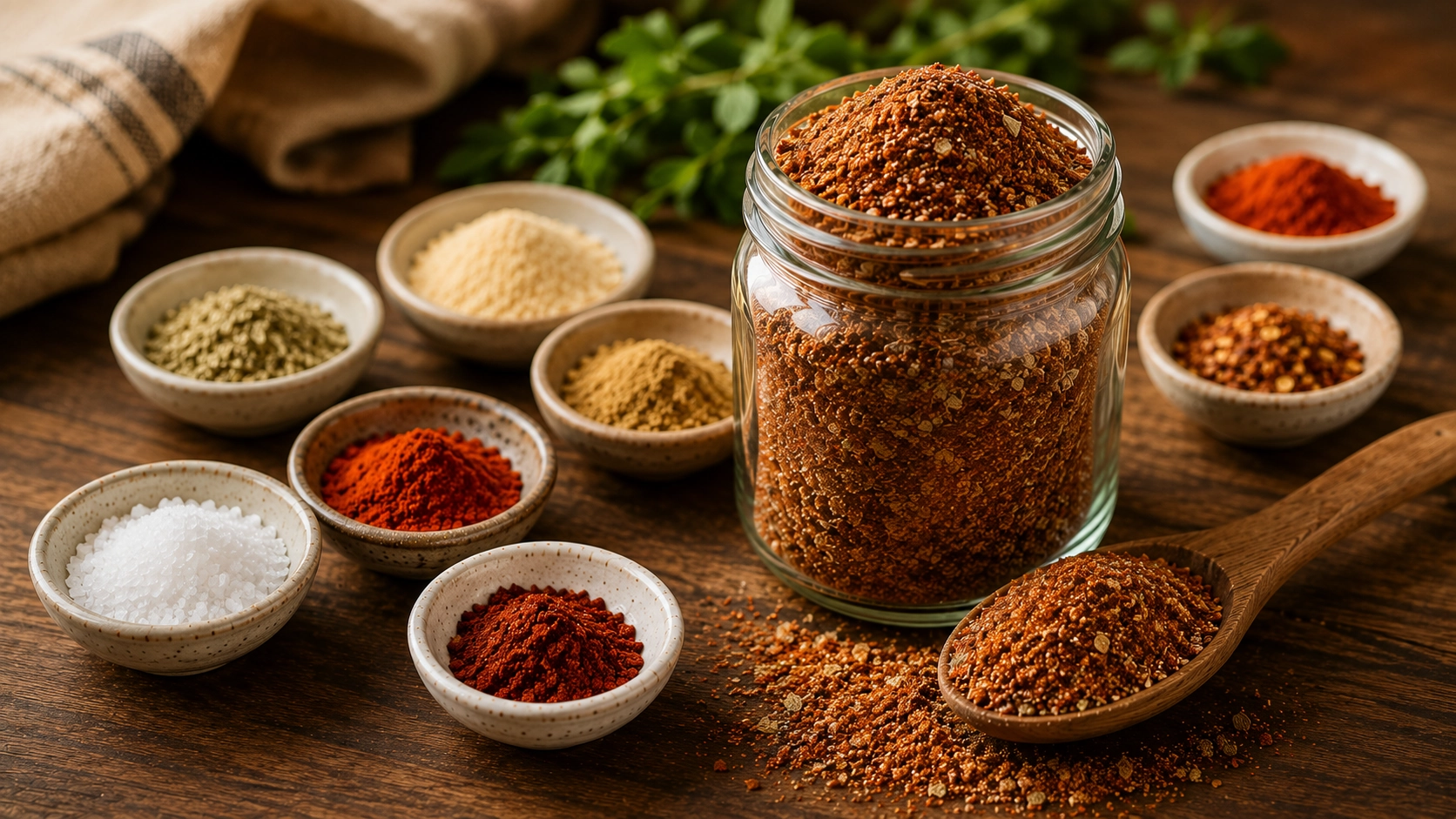
Homemade fajita seasoning is a simple blend of pantry spices that replaces store-bought seasoning packets while giving you complete control over the salt, smokiness, and heat. It comes together in just a few minutes and creates bold, fresh flavor for chicken, steak, shrimp, and vegetables without requiring a specialty seasoning blend.
Unlike taco seasoning, homemade fajita seasoning focuses on enhancing the natural flavor of the meat and vegetables rather than creating a heavily seasoned filling. One batch can replace several seasoning packets and works just as well for sheet pan dinners, burrito bowls, quesadillas, roasted potatoes, and grilled vegetables as it does for classic fajitas.
Real-World Observation
Many people first make homemade fajita seasoning after reaching for a seasoning packet that isn’t in the pantry. Once they discover the necessary spices are already on hand, buying individual packets often becomes less necessary.
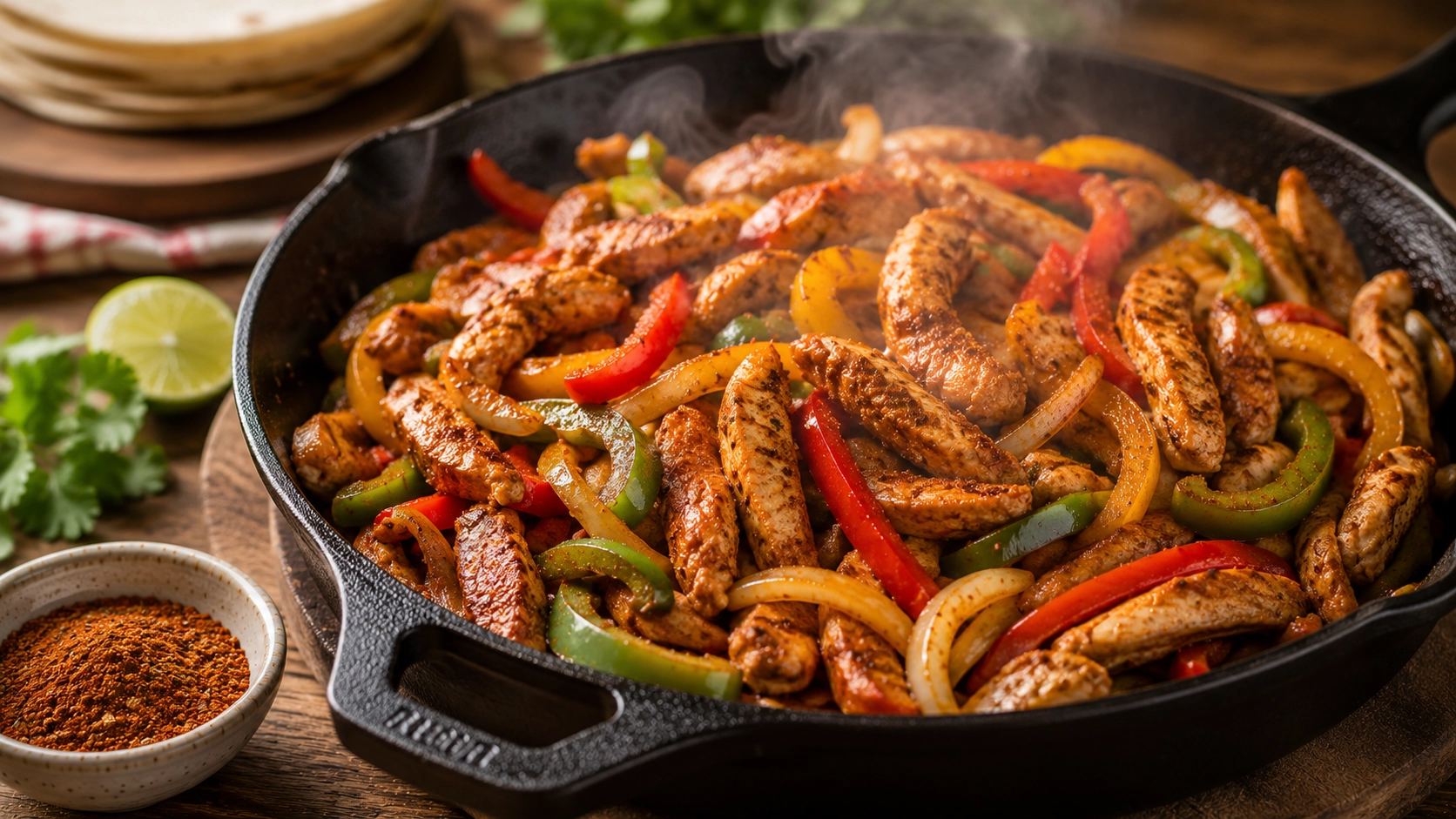
Freshly mixed spices also create a noticeably stronger aroma than older seasoning blends. As the seasoning cooks with onions and bell peppers, the cumin, paprika, garlic, and chili powder become more fragrant, creating the familiar smell of sizzling fajitas. Small adjustments to the smoked paprika, cumin, or cayenne can noticeably change the flavor while keeping the same basic recipe.
The Real Food Upgrade
Store-bought fajita seasoning offers convenience, pre-measured portions, and consistent flavor. It’s an easy way to season a meal without measuring individual spices.
Homemade fajita seasoning offers greater flexibility. You decide how smoky, spicy, or salty the blend should be while using pantry spices that many home cooks already have on hand. One batch seasons several meals and can easily be adjusted depending on whether you’re cooking chicken, steak, shrimp, or vegetables.
Rather than replacing convenience, homemade fajita seasoning gives you more control while creating a versatile seasoning blend that works well beyond traditional fajitas.
Why This Recipe Works
Chili powder creates the flavorful foundation of the blend with its earthy, mildly spicy character.
Ground cumin adds the warm Southwestern flavor that defines classic fajitas.
Paprika contributes rich color along with a gentle sweetness that balances the savory spices.
Garlic powder and onion powder reinforce the familiar fajita flavor without requiring additional preparation.
Dried oregano adds subtle herbal depth that complements both meat and vegetables.
Smoked paprika contributes a light smoky flavor that pairs especially well with grilled foods.
Cayenne pepper allows you to control the level of heat without changing the overall balance of the seasoning.
Salt ties the flavors together and can easily be adjusted to suit different recipes.
The blend is balanced so it enhances the flavor of the meat and vegetables rather than overpowering them, allowing the natural sweetness of sautéed onions and peppers to remain part of the finished dish.
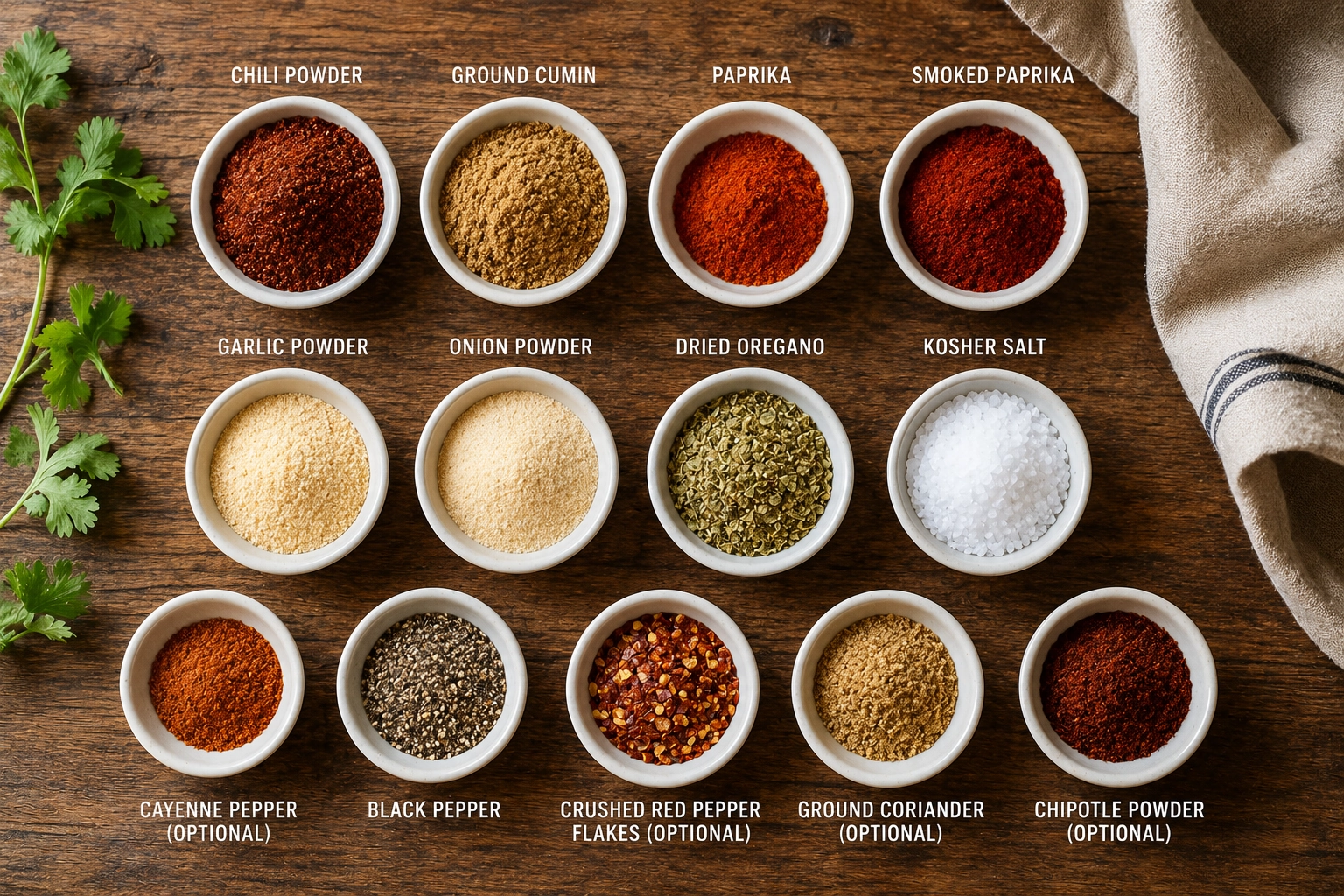
Ingredients
Main Ingredients
Optional Additions
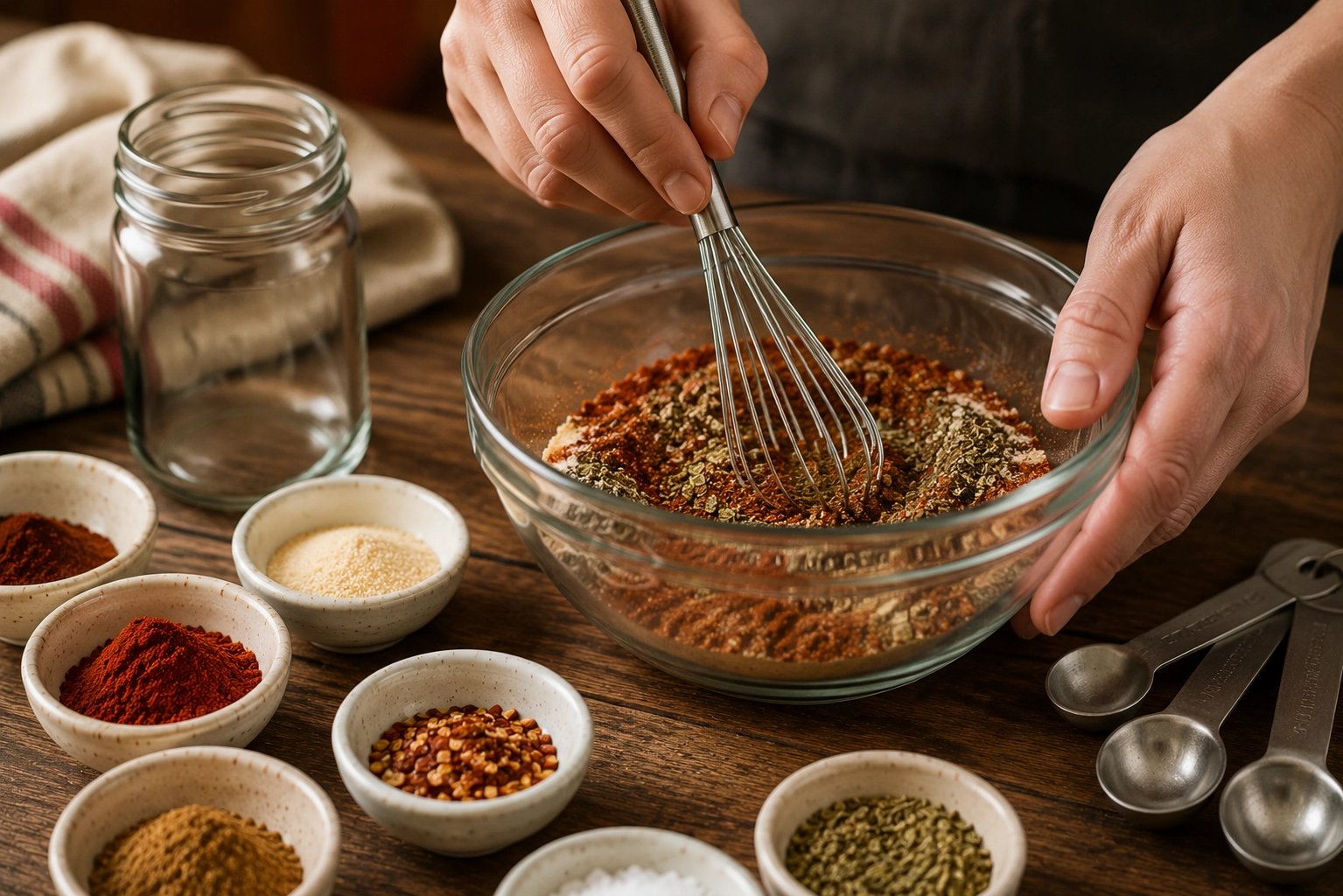
Instructions
1. Add all of the spices to a small mixing bowl.
2. Whisk until the seasoning is evenly combined.
3. Transfer the mixture to an airtight spice jar or container.
4. Store in a cool, dry pantry until ready to use.
5. Use about 2 tablespoons of seasoning per pound of meat or vegetables, adjusting to taste.
Flavor & Outcome
This homemade fajita seasoning creates a balanced blend of earthy chili powder, warm cumin, savory garlic, and subtle smokiness. The paprika provides a mild sweetness while cayenne adds gentle heat that can easily be adjusted to suit your preference.
As the seasoning cooks with onions, bell peppers, and your choice of protein, the spices bloom and develop a deeper, more rounded flavor. The finished seasoning enhances the ingredients without masking their natural flavor, making it equally at home on vegetables, grilled meats, and rice bowls.
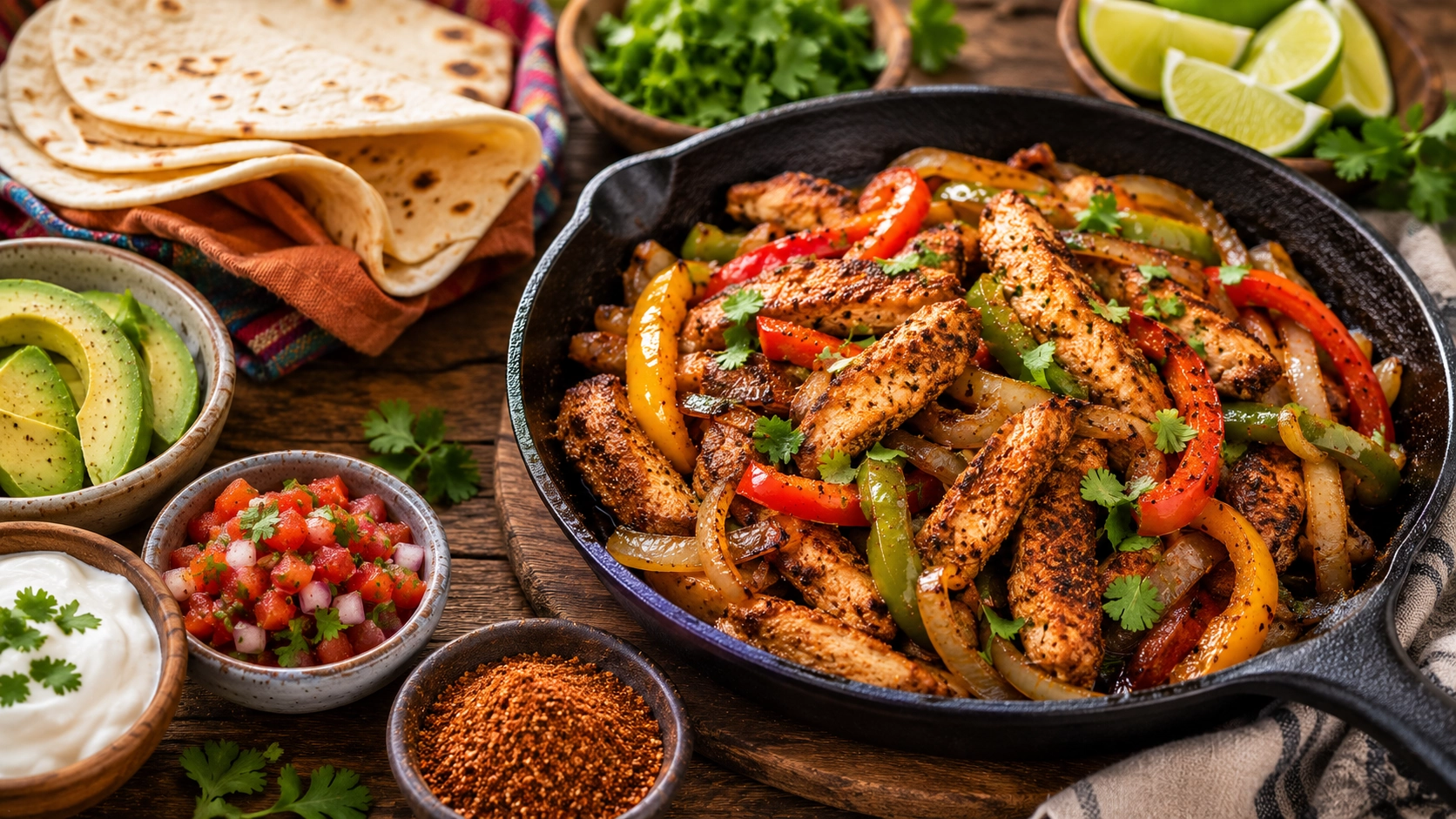
Serving Ideas
Homemade fajita seasoning works well with:
Storage & Make-Ahead Tips
Pantry Storage
Mix a larger batch so you’ll always have homemade Italian herb seasoning ready for pasta sauces, pizza, roasted vegetables, garlic bread, marinades, and dressings. Starting with fresh dried herbs creates the brightest flavor in every batch.
Freezer Storage
Freezing isn’t recommended since properly stored dried spices already have a long shelf life when kept in an airtight container.
Shelf Life
For the freshest flavor, use within 6 months. While the seasoning will remain usable longer if kept dry and sealed, the chili powder, cumin, and smoked paprika gradually lose some of their aroma and bold flavor over time.
Make-Ahead Notes
Mix a double or triple batch so you’ll always have homemade fajita seasoning ready for chicken, steak, shrimp, roasted vegetables, and rice bowls. Starting with fresh spices helps create the bold Southwestern flavor that makes homemade fajitas stand out.
Common Questions
How is fajita seasoning different from taco seasoning?
Fajita seasoning typically emphasizes cumin, paprika, and garlic while allowing the flavor of the meat and vegetables to remain the focus. Taco seasoning is often slightly bolder and designed specifically for seasoned ground meat.
Can I use this on vegetables?
Absolutely. It works especially well with bell peppers, onions, zucchini, mushrooms, cauliflower, and roasted potatoes.
Can I make it spicier?
Yes. Increase the cayenne pepper or add crushed red pepper flakes to create more heat.
How much seasoning should I use?
Start with about 2 tablespoons per pound of meat or vegetables, then adjust to taste.
Can I make a larger batch?
Yes. Homemade fajita seasoning stores well, making it easy to prepare several batches at once for future meals.
Next Real Food Upgrade
If you enjoyed making homemade fajita seasoning, Homemade Taco Seasoning is another easy pantry staple worth adding to your spice cabinet. While the two blends share several everyday spices, small changes in the proportions create distinct flavor profiles that work best for different meals. As your homemade seasoning collection grows, this blend also pairs naturally with homemade chili seasoning, homemade BBQ rub, homemade Italian herb seasoning, and future favorites like Cajun and Greek seasoning.