Why Homemade Beef Stew Seasoning Tastes Better Than Store-Bought
Quick Answer
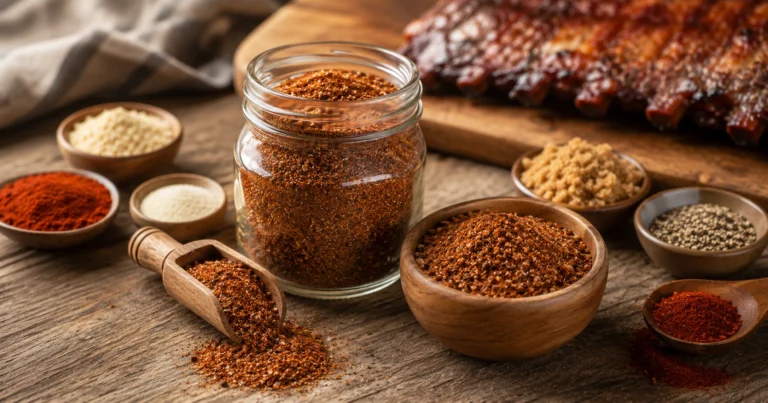
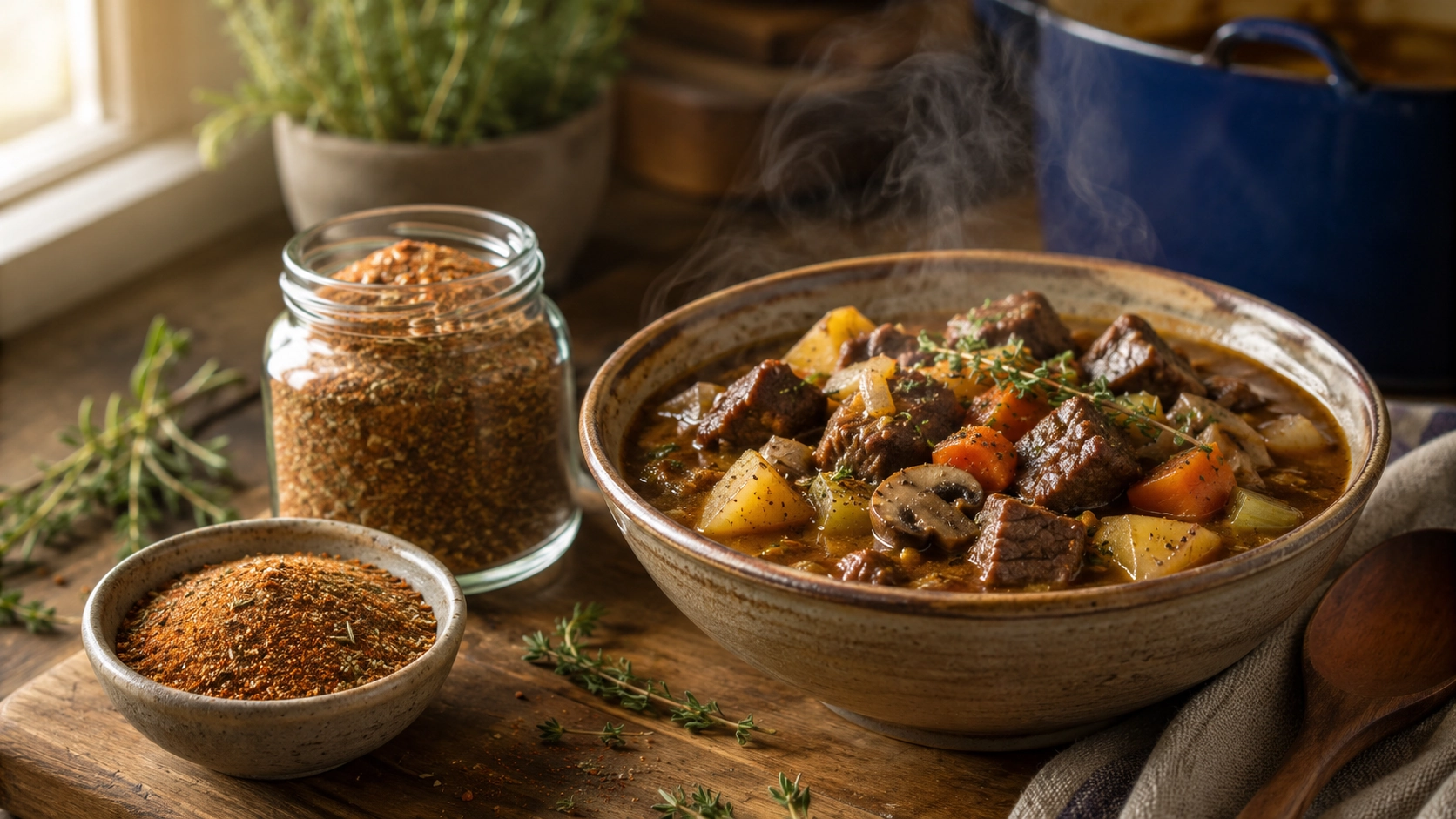
Homemade beef stew seasoning combines onion, garlic, paprika, thyme, rosemary, mustard powder, salt, and black pepper into one pantry blend that seasons the beef, vegetables, broth, and finished cooking liquid.
Making the blend yourself provides the convenience of a packaged seasoning mix while giving you control over the salt and herbs. This matters in beef stew because broth, bouillon, Worcestershire sauce, and other ingredients may already contribute salt and savory flavor.
This recipe makes exactly 3 tablespoons of seasoning, enough for a standard pot of stew made with approximately 2 pounds of beef stew meat. For easy scaling, use 1 1/2 tablespoons per pound of beef.
Real-World Observation
Beef stew often tastes less seasoned at the beginning of cooking than it does after a long simmer. As the broth reduces and the beef and vegetables release their own flavors, the onion, garlic, herbs, and pepper become more noticeable.
Rosemary is especially important to measure carefully. A small amount supports beef and root vegetables, but too much can dominate the broth after several hours of cooking. This blend uses enough to add a familiar herbal note without making the entire stew taste like rosemary.
The Real Food Upgrade
Packaged Beef Stew Seasoning
Packaged seasoning mixes are convenient because the ingredients are measured and ready to add. Some also include starches, flavoring ingredients, or relatively high amounts of salt to season and thicken the stew at the same time.
That combined approach can work well, but it gives the cook less control over the final consistency. The amount of thickener needed can change depending on the quantity of broth, the cooking method, and how much liquid evaporates.
Homemade Beef Stew Seasoning
Homemade beef stew seasoning preserves the useful measure-and-add format while separating flavor from thickening.
The dry blend seasons the beef, broth, potatoes, carrots, onions, celery, mushrooms, and other vegetables. Flour or cornstarch can then be added separately according to the recipe and desired consistency.
This also lets you keep the salt moderate. You can season the finished stew after the broth has reduced rather than committing to a heavily salted blend at the beginning.
Why This Recipe Works
Onion powder creates the savory foundation. It disperses throughout the broth and seasons the vegetables and cooking liquid as well as the meat.
Garlic powder adds depth without requiring fresh garlic. Fresh garlic can still be added to the stew, but garlic powder ensures the flavor reaches the entire pot.
Paprika provides mild warmth and color. It complements browned beef and gives the broth a warmer appearance without making the stew spicy.
Thyme supports the meat and vegetables. Its earthy flavor works particularly well with potatoes, carrots, celery, onions, and mushrooms.
Rosemary is deliberately restrained. Because rosemary becomes more noticeable during long cooking, a modest amount keeps it in the background.
Mustard powder adds subtle complexity. The finished stew will not taste strongly of mustard. The small amount simply rounds out the beef, onion, and garlic flavors.
Black pepper remains noticeable after long cooking. It gives the broth a mild bite without creating the concentrated crust-style flavor associated with many steak seasonings.
Salt stays moderate. Beef broth, bouillon, Worcestershire sauce, tomato products, and prepared soup substitutes can all contribute sodium. It is easier to add salt near the end than to correct an overly salty stew.
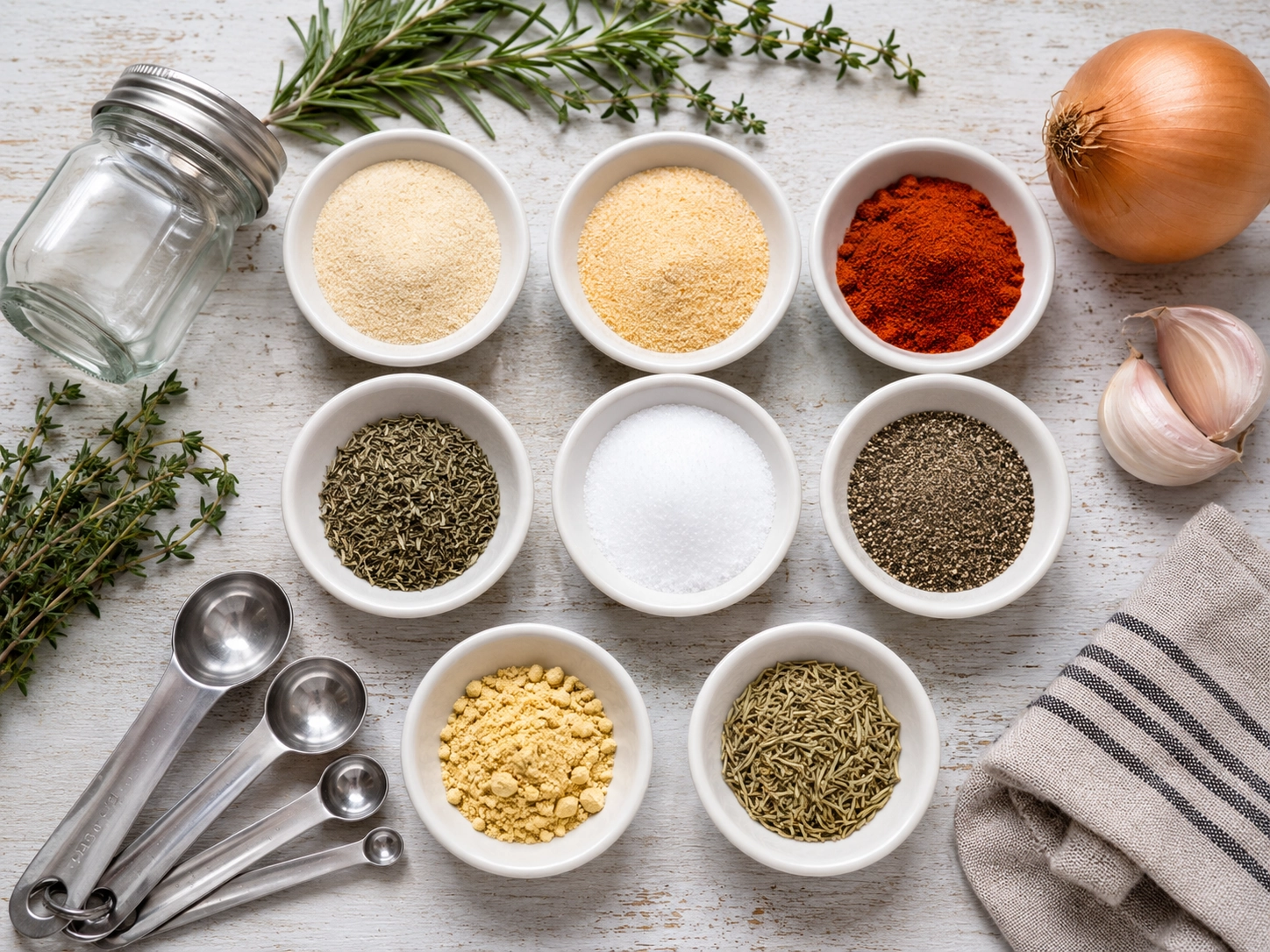
Ingredients
Main Ingredients
Optional Additions
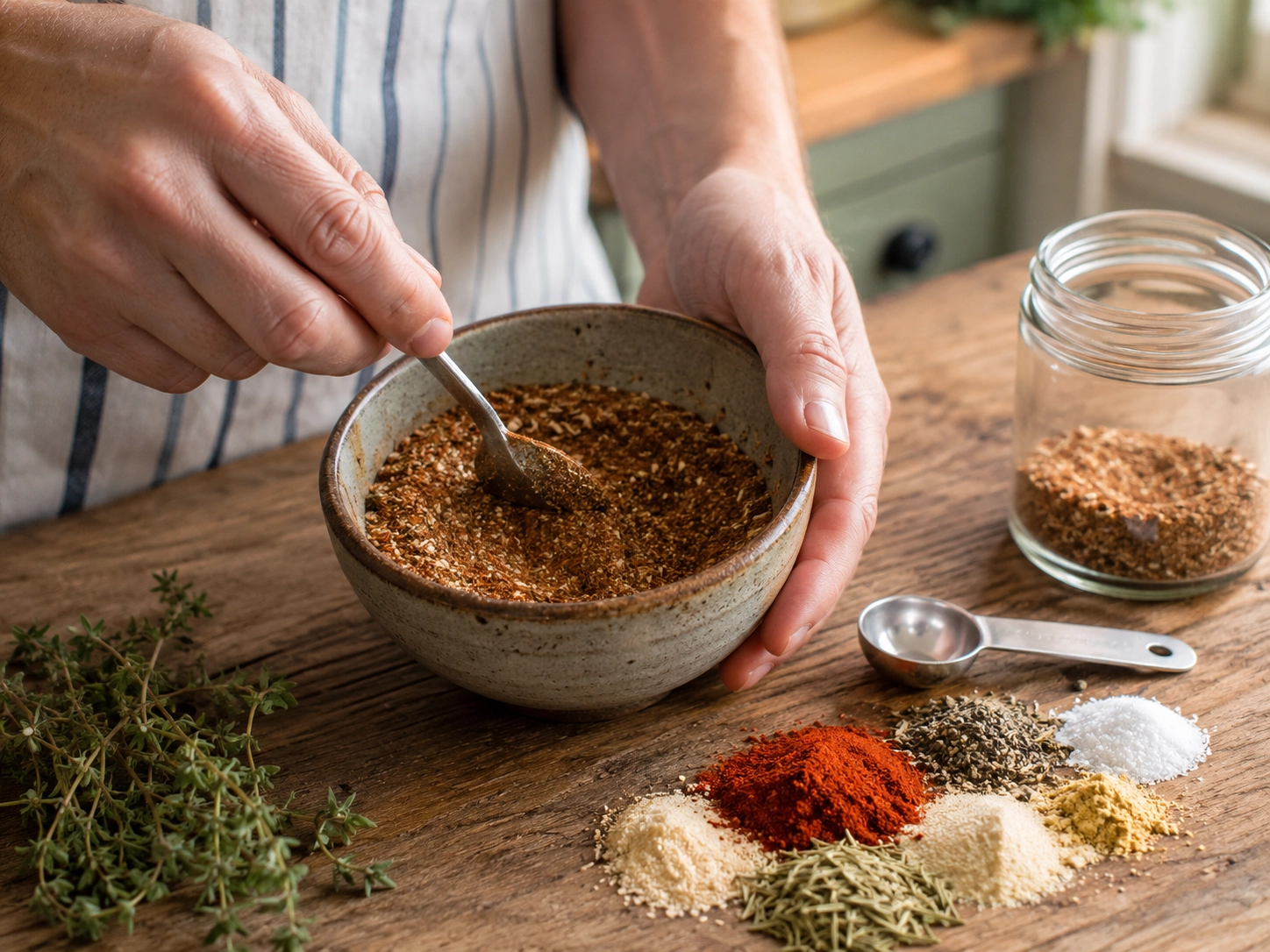
Instructions
1. Add the onion powder, garlic powder, paprika, thyme, salt, black pepper, mustard powder, and crushed rosemary to a small bowl.
2. Stir until the seasonings are evenly combined and no concentrated pockets of onion or garlic powder remain.
3. Transfer the mixture to a clean, dry jar or another airtight container.
4. Label the container with the name and usage amount: 1 1/2 tablespoons per pound of beef.
5. Use the full 3-tablespoon batch for a stew made with approximately 2 pounds of beef.
6. Taste the stew near the end of cooking and adjust the salt or pepper after the broth has reduced.
How to Use Homemade Beef Stew Seasoning
Stovetop or Dutch Oven
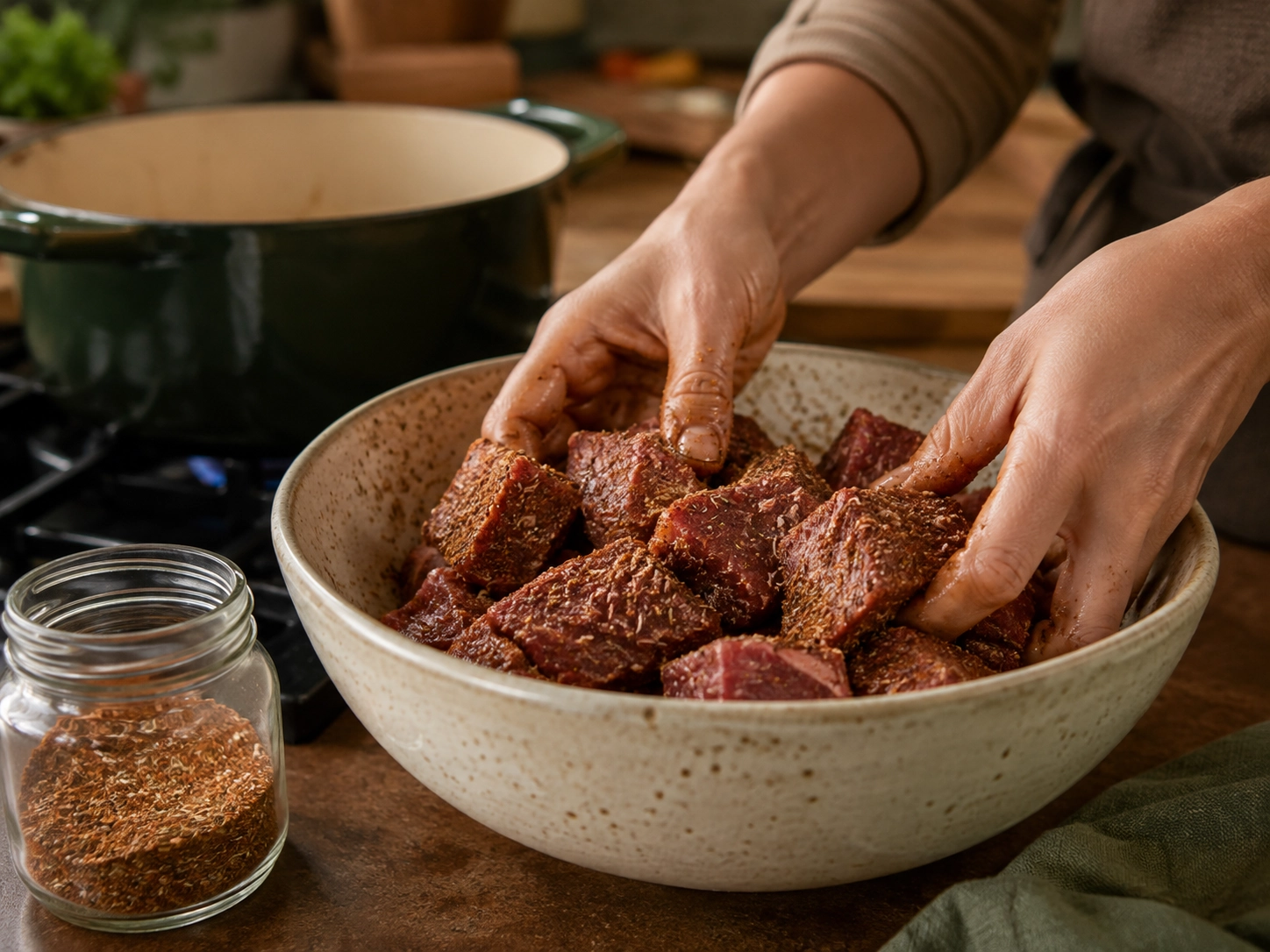
Use part of the seasoning on the beef before browning and add the remainder with the broth and vegetables.
For 2 pounds of beef, toss the meat with approximately 1 tablespoon of seasoning before browning. Add the remaining 2 tablespoons when the broth goes into the pot.
Dividing the seasoning this way gives the beef direct flavor while leaving enough seasoning to distribute through the cooking liquid.
Slow Cooker
Add the full batch with the beef, vegetables, and cooking liquid at the beginning.
Slow cookers retain more moisture than uncovered stovetop pots, so the broth may not reduce as much. Taste the stew before adding extra salt, especially when using prepared broth, bouillon, Worcestershire sauce, or Homemade Onion Soup Mix.
Pressure Cooker
Season the beef before browning if the pressure cooker has a sauté setting. Add the remaining seasoning with the broth after deglazing the pot.
Avoid adding a cornstarch slurry before pressure cooking. Thicken the stew after the pressure has been released and the lid has been removed. This reduces the risk of scorching and gives you better control over the final texture.
Using Beef Broth or Water
Beef broth provides a fuller savory base than water, but either can work.
When using water, the stew may benefit from additional salt, Worcestershire sauce, tomato paste, bouillon, Homemade Au Jus Mix, or another savory ingredient.
When using salted broth or bouillon, wait until the end of cooking before adding more salt.
Flavor & Outcome
This seasoning produces a savory broth led by onion, garlic, black pepper, and mild paprika.
Thyme and rosemary remain noticeable but do not cover the flavor of the beef or vegetables. Mustard powder stays in the background, adding depth rather than a recognizable mustard taste.
After a long simmer, the separate seasonings become less distinct. The onion and garlic blend into the broth, the herbs soften, and the black pepper leaves a mild warmth that remains noticeable alongside potatoes, carrots, celery, onions, and mushrooms.
The seasoning does not determine the thickness of the finished stew. Depending on the recipe, the cooking liquid can remain broth-like or be thickened into a more gravy-like consistency.
Beef Stew Seasoning vs. Pot Roast Seasoning
Beef stew seasoning and Homemade Pot Roast Seasoning may contain similar ingredients, but they are designed for different cooking environments.
Pot roast typically uses one large piece of beef surrounded by vegetables and a relatively concentrated amount of cooking liquid. The seasoning can remain focused around the roast and its immediate cooking juices.
Beef stew contains bite-size pieces of meat, more broth, and a larger mixture of vegetables. Its seasoning must spread through the entire pot while still leaving enough flavor on the individual pieces of beef.
A dependable beef stew blend therefore needs a broad savory foundation rather than an especially concentrated herbal or peppery profile.
Beef Stew Seasoning vs. Steak Seasoning
Homemade Steak Seasoning is usually designed to remain on the surface of meat. It may contain coarse salt, cracked pepper, or stronger spices that help form a seasoned exterior during grilling or searing.
Beef stew seasoning has a different job. It must dissolve and distribute through several cups of liquid without making the broth too salty or peppery.
Steak seasoning can sometimes be used in stew, but its coarse texture and concentrated salt may require substantial adjustment.
Beef Stew Seasoning vs. Onion Soup Mix
Onion soup mix creates a noticeably onion-forward flavor and may include bouillon or other ingredients that add salt and concentrated savoriness.
Beef stew seasoning uses onion as part of a broader balance that also includes garlic, paprika, thyme, rosemary, mustard, and black pepper.
The two can be used together, but reduce the added salt and taste the stew carefully if your onion soup mix contains bouillon.
Should Flour or Cornstarch Be Added to the Seasoning?
Flour and cornstarch should remain separate from the stored seasoning because they behave differently during cooking.
Flour
Flour can be used to coat the beef before browning. It absorbs fat and gradually thickens the cooking liquid as the stew simmers.
It produces an opaque, gravy-like broth and works particularly well in stovetop and Dutch oven recipes.
Cornstarch
Cornstarch is usually mixed with cold water and added near the end of cooking.
It thickens quickly, making it useful for slow cooker and pressure cooker stews that have already finished cooking. It also allows you to see the stew’s natural consistency before deciding how much thickener it needs.
Keeping both out of the seasoning jar allows one blend to work across different recipes and cooking methods.
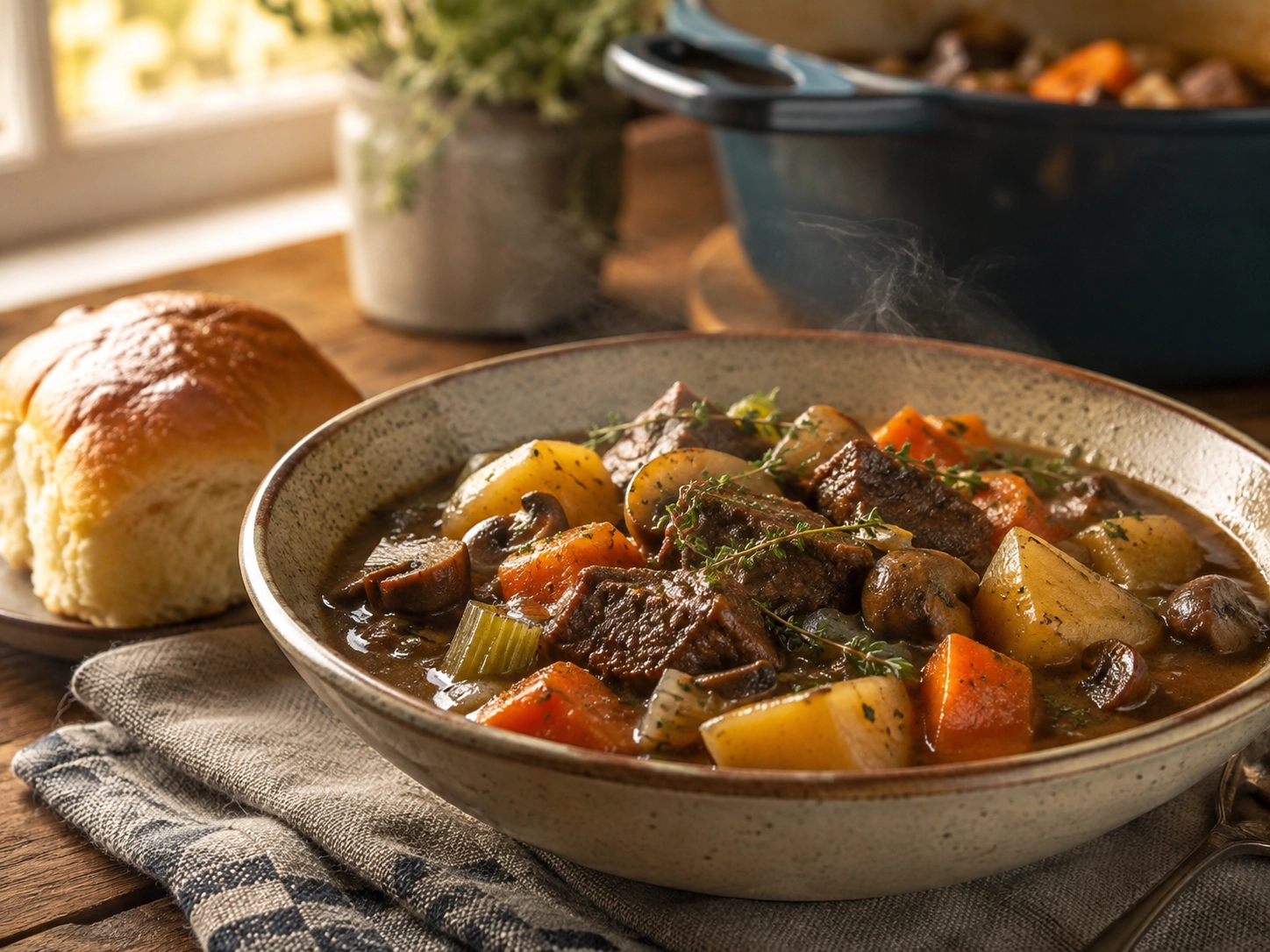
Serving Ideas
Use homemade beef stew seasoning in:
Storage & Make-Ahead Tips
Refrigerator Storage
Refrigeration is not necessary. Store the seasoning with other dried herbs and spices.
Freezer Suitability
Freezing offers little advantage for a dry seasoning blend and may expose it to condensation when the container is opened.
Shelf Life
Store the seasoning in an airtight container in a cool, dry cupboard. For the strongest flavor, use it within approximately 6 months.
The blend may remain usable longer, but dried thyme, rosemary, and paprika gradually lose aroma and intensity.
Make-Ahead Notes
Multiply the recipe to prepare several batches at once. Stir the larger mixture thoroughly before transferring it to a container because the finer powders can settle beneath the dried herbs.
Shake or stir the seasoning before each use.
Use 1 1/2 tablespoons per pound of beef, or measure 3 tablespoons for a stew made with 2 pounds of meat.
Common Questions
What is beef stew seasoning made of?
This beef stew seasoning is made with onion powder, garlic powder, paprika, thyme, salt, black pepper, mustard powder, and rosemary. The combination is balanced to season both the meat and the cooking liquid.
How much beef stew seasoning should I use?
Use 1 1/2 tablespoons of seasoning per pound of beef. Use the full 3-tablespoon recipe for approximately 2 pounds of beef stew meat.
Is beef stew seasoning the same as pot roast seasoning?
No. The ingredients may overlap, but beef stew seasoning is designed to spread through more broth, smaller pieces of meat, and a larger quantity of vegetables. Pot roast seasoning is designed primarily for one large roast.
Should flour or cornstarch be added to beef stew seasoning?
Keep both separate. Flour works well for coating and browning the beef, while cornstarch is better for adjusting the consistency near the end of cooking.
Can I use beef stew seasoning in a slow cooker?
Yes. Add the full batch with the beef, vegetables, and broth at the beginning of cooking. Taste the finished stew before adding more salt because slow cookers retain most of their liquid.
Next Real Food Upgrade
If you enjoyed making your own beef stew seasoning, Homemade Au Jus Mix is a natural next upgrade. It adds a deeper beef-and-onion foundation to broth-based dishes and can help build the savory cooking liquid used in beef stew, pot roast, beef tips, and gravy.