Why Homemade Mayonnaise Tastes Better Than Store-Bought
Quick Answer
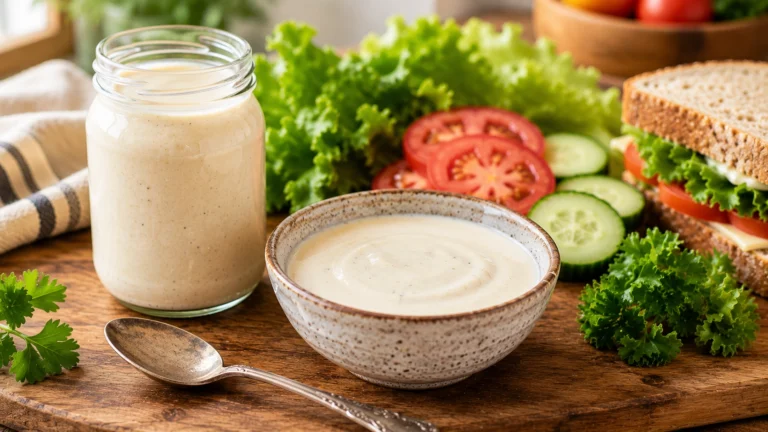
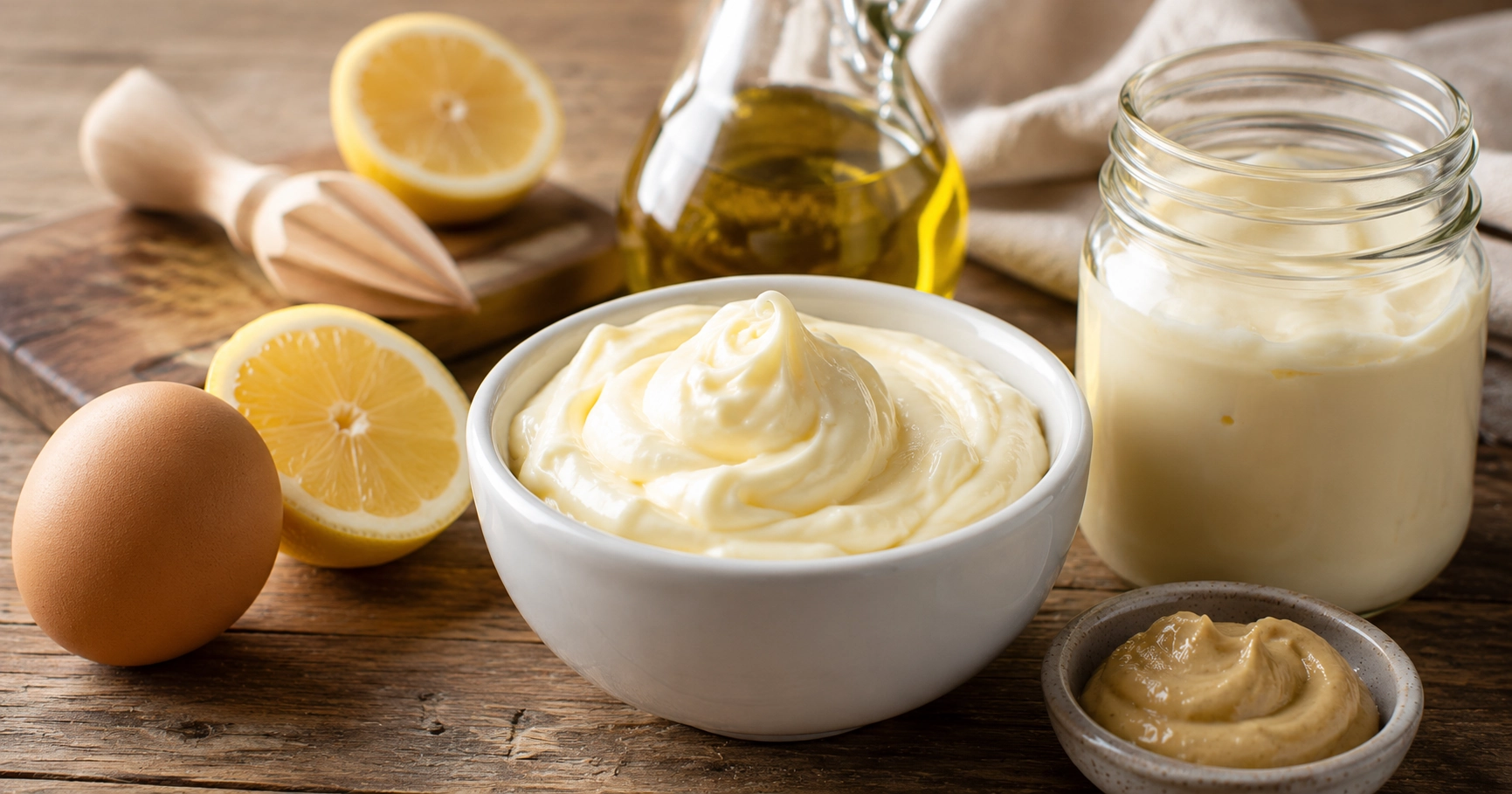
Homemade mayonnaise is a rich, creamy emulsion made from just a few everyday ingredients: oil, egg, an acid such as lemon juice or vinegar, and a little seasoning. Despite its reputation, it’s surprisingly easy to make, often coming together in about a minute with an immersion blender or food processor.
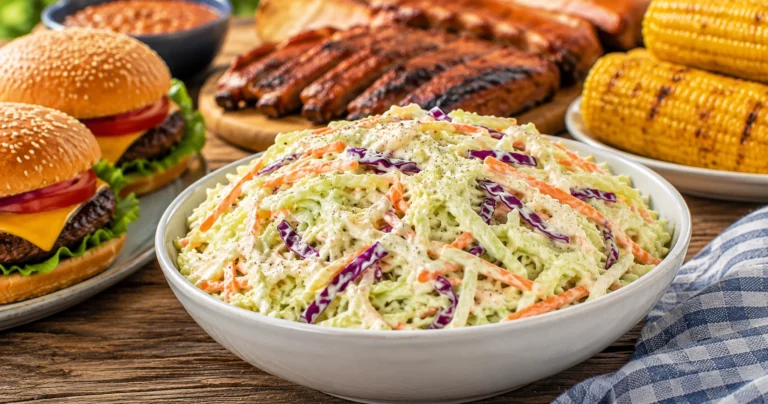
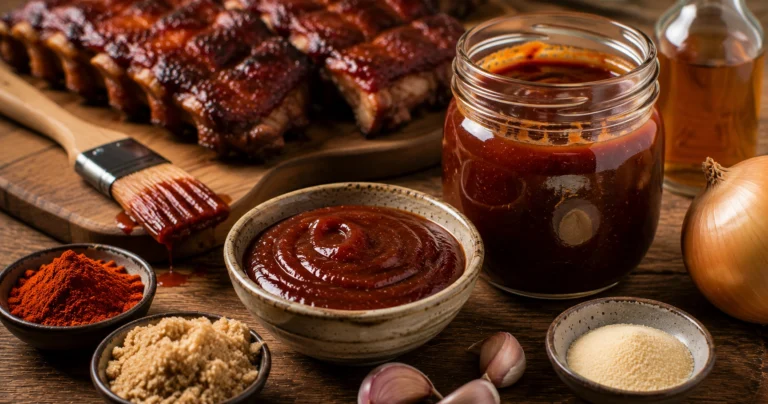
Making mayonnaise at home gives you complete control over the flavor, richness, and texture while using ingredients you choose yourself. Once you know how to make homemade mayonnaise, dozens of other sauces become just a few ingredients away, including burger sauce, ranch dressing, roasted garlic aioli, honey mustard, and creamy coleslaw dressing.
Real-World Observation
Many people expect homemade mayonnaise to be difficult until they make it for the first time. Watching a handful of simple ingredients transform into a thick, creamy spread in less than a minute often changes how they think about homemade condiments.
Fresh mayonnaise also has a noticeably brighter flavor than bottled versions. The richness of the oil, the freshness of the egg, and the acidity of lemon juice or vinegar remain distinct, creating a balanced spread that works well on everything from sandwiches to homemade dressings.
The Real Food Upgrade
Store-bought mayonnaise is convenient, shelf stable, and provides consistent results. It’s an easy staple for sandwiches, salads, and countless recipes.
Homemade mayonnaise offers a different advantage. You choose the oil, adjust the acidity, control the seasoning, and create exactly the texture you prefer. Because it’s made fresh, the flavor remains clean and vibrant, and the finished mayonnaise becomes the foundation for countless homemade sauces and dressings.
Rather than replacing convenience, homemade mayonnaise opens the door to a wide range of simple recipes built from one versatile base.
Why This Recipe Works
A whole egg provides structure while the yolk contains natural emulsifiers that allow the oil and liquid ingredients to combine into a stable, creamy sauce.
A neutral oil creates the silky texture that mayonnaise is known for without overpowering the other ingredients.
Fresh lemon juice or white wine vinegar brightens the richness and helps balance the finished flavor.
Dijon mustard adds subtle depth while also helping stabilize the emulsion.
Salt enhances every ingredient without drawing attention to itself.
The secret is slowly combining the ingredients into a stable emulsion. Once that happens, the mixture thickens into smooth, creamy mayonnaise in seconds.
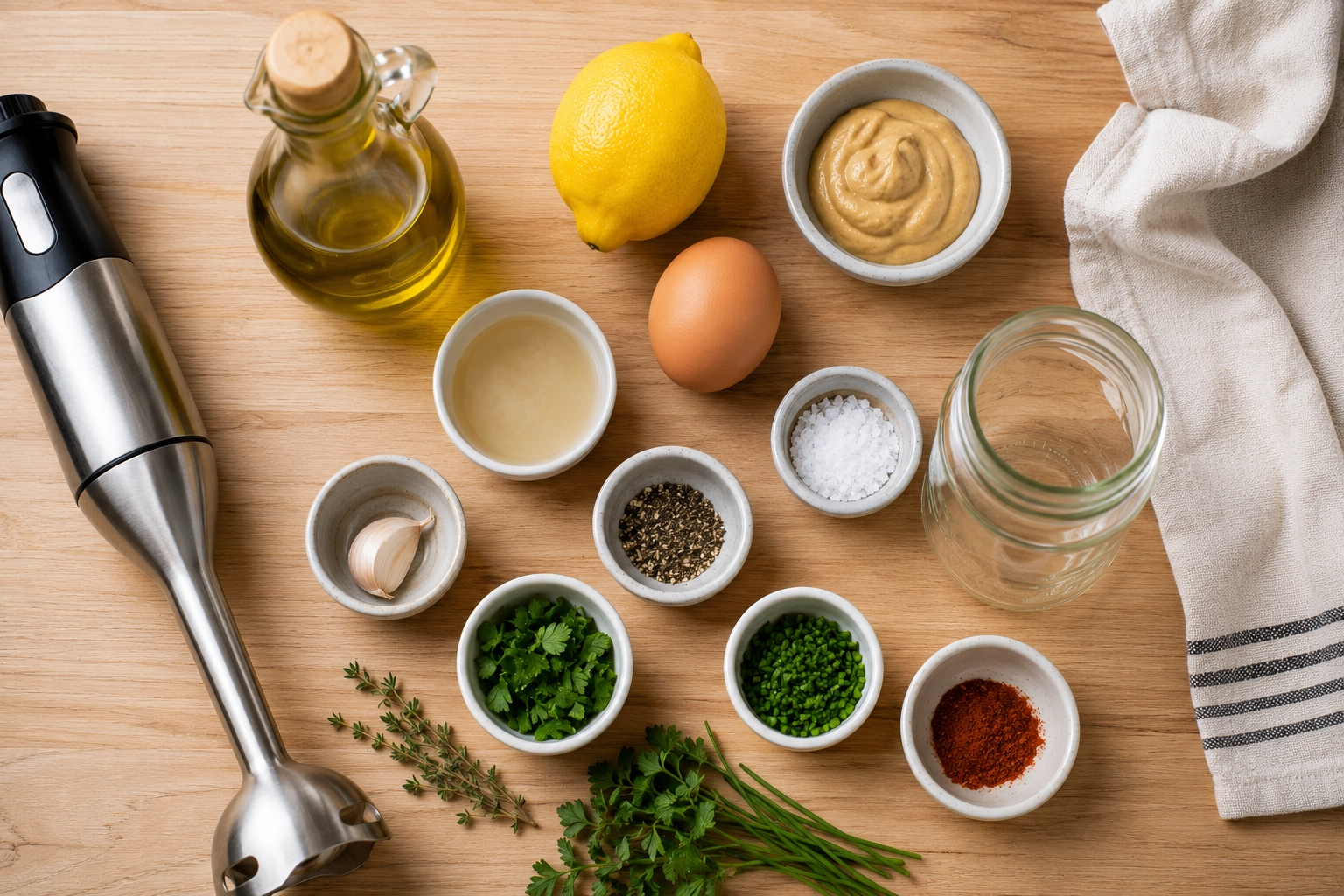
Ingredients
Main Ingredients
Optional Additions
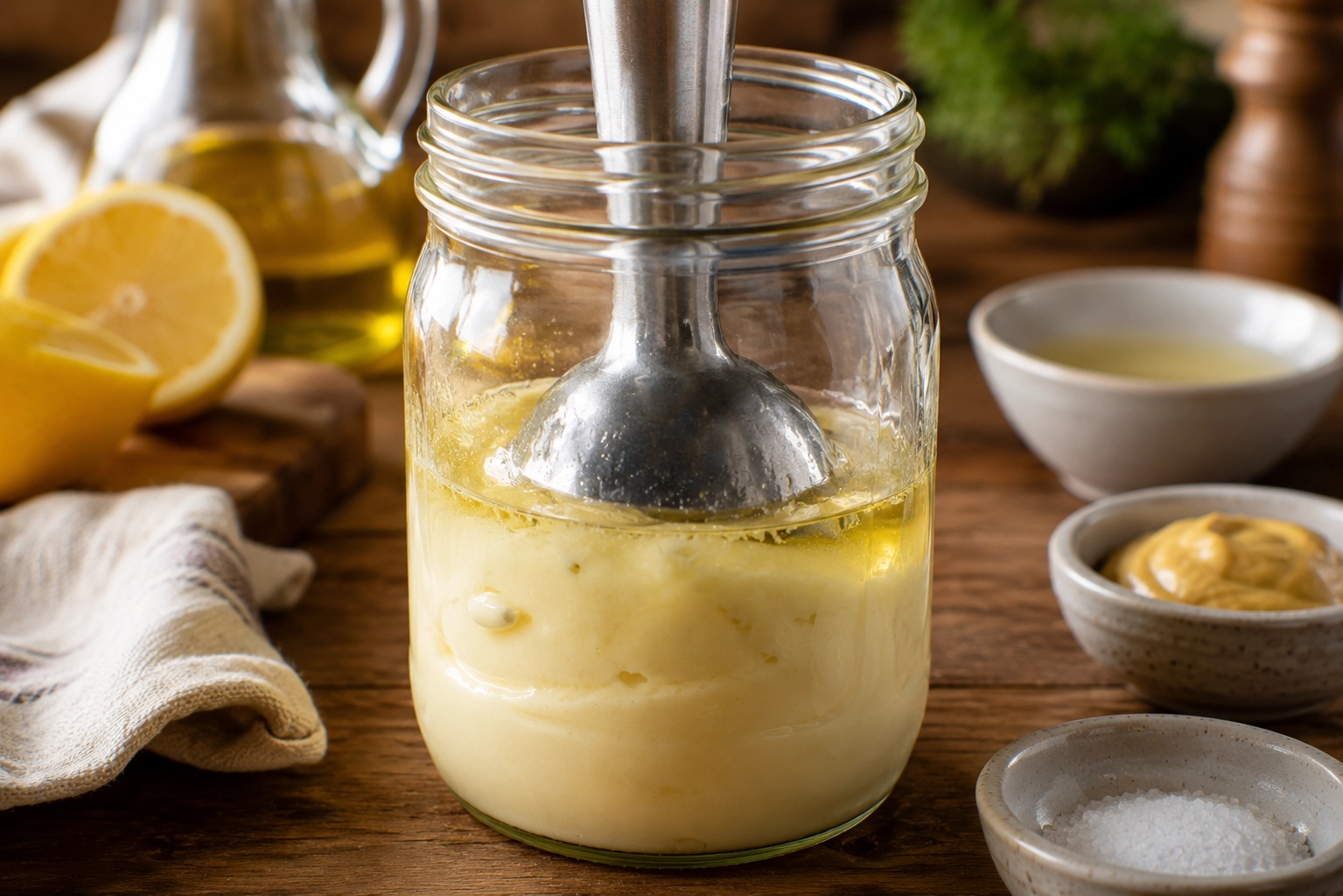
Instructions
1. Add the egg, lemon juice, Dijon mustard, and salt to a wide-mouth jar or blender cup.
2. Pour the oil on top.
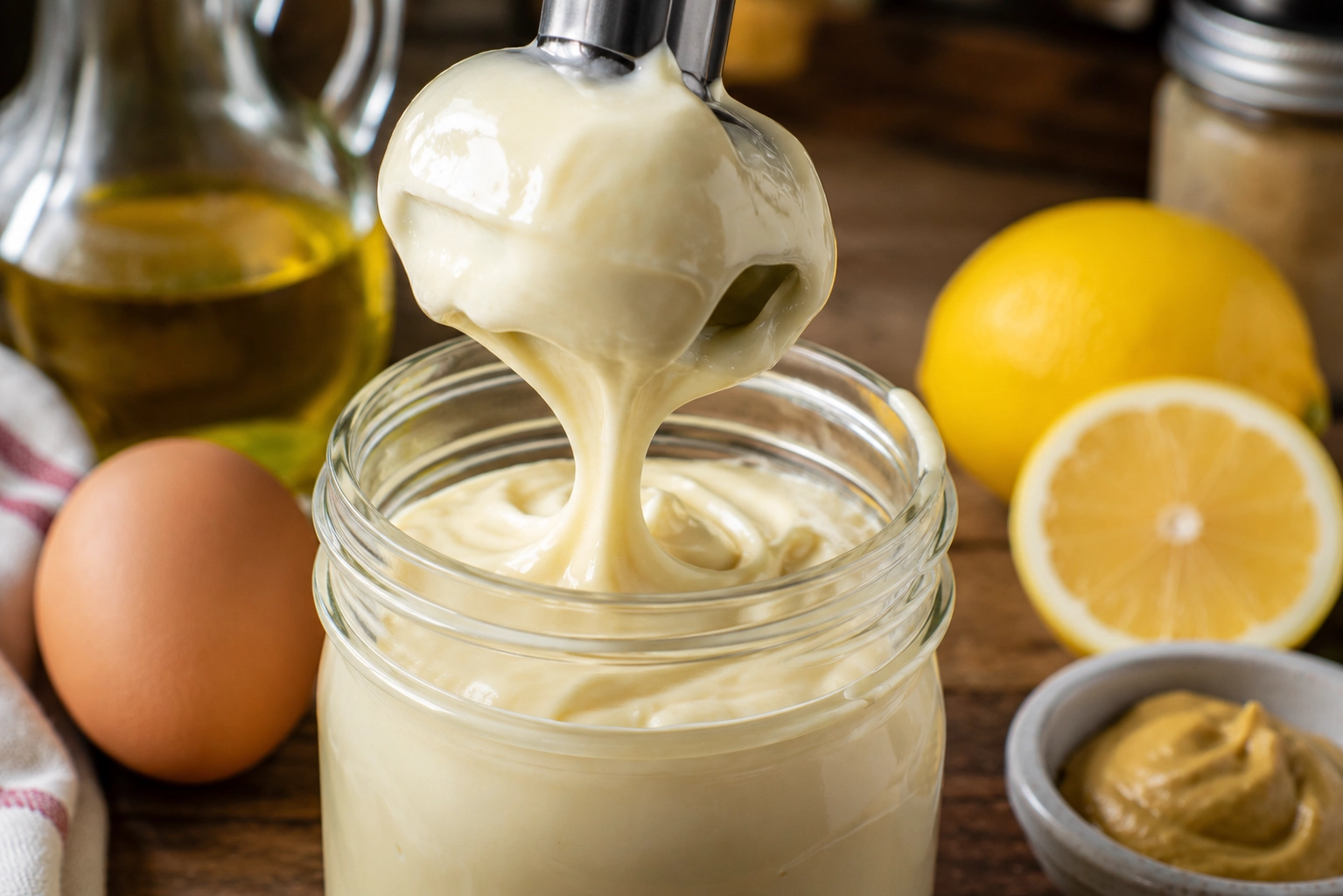
3. Place an immersion blender on the bottom of the container.
4. Blend without moving for about 15 seconds until the mixture begins to emulsify.
5. Slowly lift the blender until all of the oil has been incorporated.
6. Continue blending until the mayonnaise is thick and smooth.
7. Taste and adjust the seasoning if desired.
8. Refrigerate immediately before serving.
Flavor & Outcome
Homemade mayonnaise is smooth, creamy, and rich with a fresh flavor that comes from simple ingredients rather than extended shelf storage. The lemon juice adds brightness while Dijon mustard provides subtle savory depth without becoming dominant.
The texture becomes slightly firmer after chilling, making it easy to spread on sandwiches or use as the base for creamy sauces and dressings.
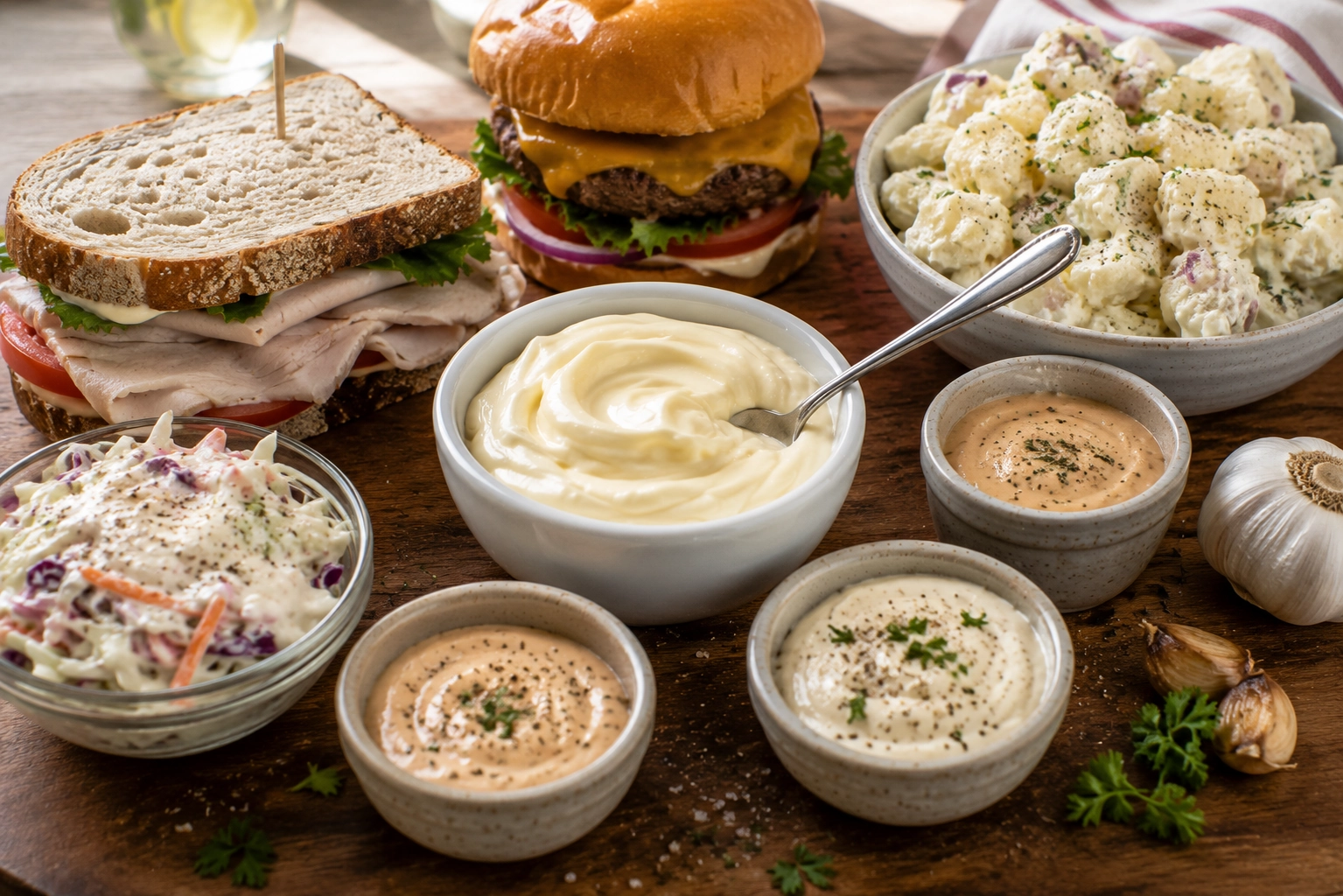
Serving Ideas
Homemade mayonnaise is excellent on sandwiches and burgers, but it also serves as the creamy foundation for several homemade condiments, including:
Storage & Make-Ahead Tips
Refrigerator Storage
Store in an airtight container in the refrigerator for up to 4 days.
Freezer Suitability
Freezing is not recommended, as the emulsion will separate after thawing.
Shelf Life
Because it contains fresh egg, homemade mayonnaise should be used within several days for the best quality.
Make-Ahead Notes
Prepare mayonnaise shortly before making other homemade sauces and dressings. One batch can easily become the base for several different recipes throughout the week.
Common Questions
Can I use olive oil?
Yes. Light olive oil or another neutral oil is recommended. Extra virgin olive oil can create a stronger, slightly bitter flavor.
Why didn’t my mayonnaise thicken?
Most failed batches result from the ingredients not forming a stable emulsion. An immersion blender and a narrow container make the process much more reliable.
Can I make flavored mayonnaise?
Absolutely. Roasted garlic, herbs, chipotle peppers, fresh lemon zest, or spices can all be added after the mayonnaise has formed.
Is homemade mayonnaise safe?
When made with fresh, properly handled eggs and refrigerated promptly, homemade mayonnaise can be enjoyed safely. Some people prefer to use pasteurized eggs for additional peace of mind.
Can I use homemade mayonnaise in other recipes?
Yes. Homemade mayonnaise works just like bottled mayonnaise and serves as the foundation for many sauces, dressings, and spreads.
Next Real Food Upgrade
Now that you’ve mastered homemade mayonnaise, Homemade Burger Sauce is a natural next step. With just a few additional pantry ingredients, your fresh mayonnaise becomes a creamy burger sauce for sandwiches, wraps, fries, and cookouts. From there, the same homemade base can also become roasted garlic aioli, ranch dressing, honey mustard sauce, and creamy coleslaw dressing, showing how one simple recipe can unlock an entire collection of homemade favorites.