Why Homemade Remoulade Sauce Tastes Better Than Store-Bought
Quick Answer
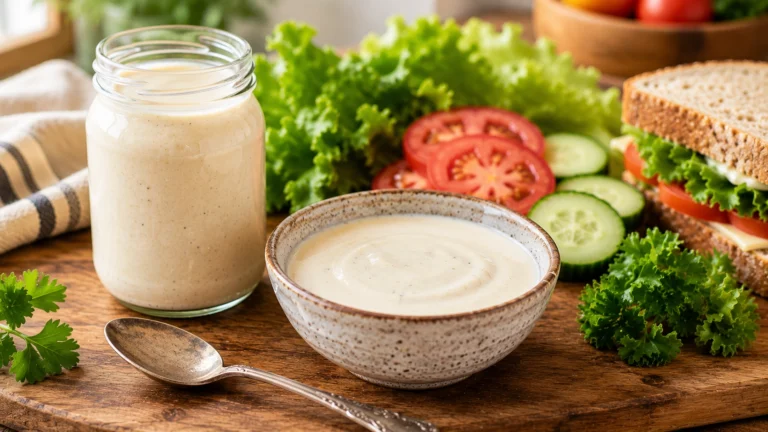
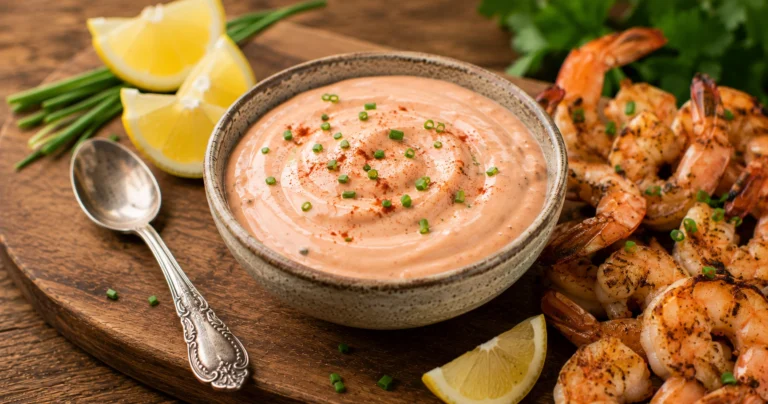
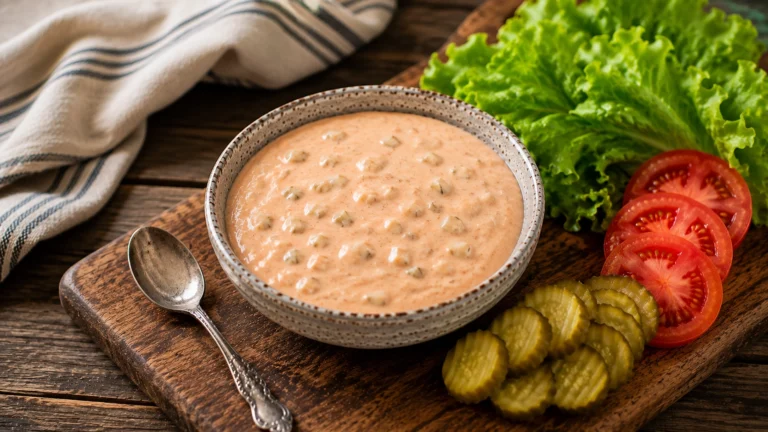
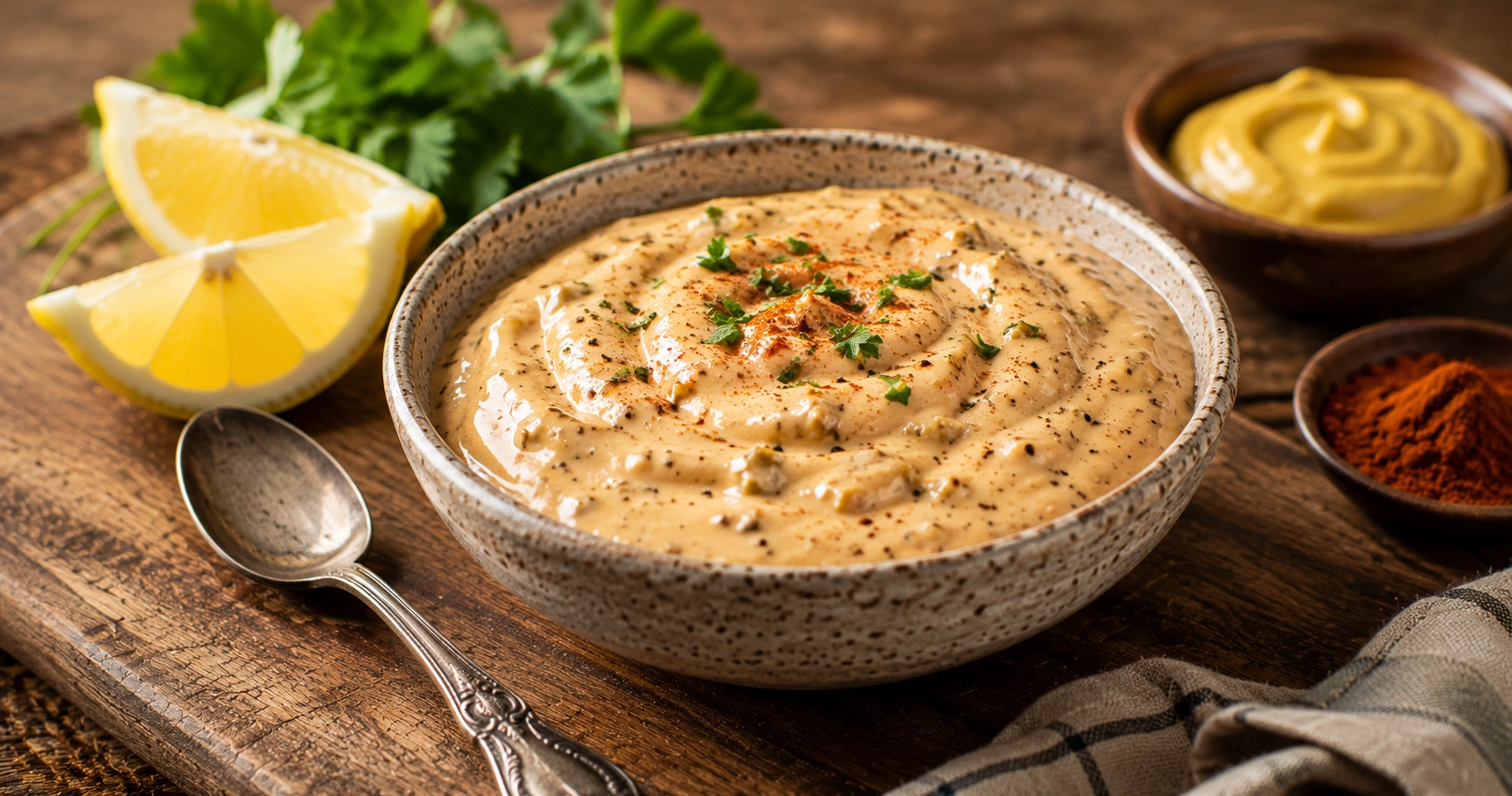
Homemade remoulade sauce is a rich, creamy condiment made with mayonnaise, mustard, lemon juice, pickle relish, and bold seasonings. While it’s often served with seafood, it’s also a versatile spread for sandwiches, burgers, wraps, fries, and roasted vegetables.
Although remoulade and tartar sauce share a creamy mayonnaise base, remoulade is typically bolder and more seasoned. It often includes Dijon mustard, Cajun seasoning, garlic, and paprika for a more complex flavor. Making it at home takes only a few minutes and lets you adjust the tanginess, spice, and seasoning to suit your own taste.
Real-World Observation
Many people first try remoulade sauce at a seafood restaurant and assume it requires a long list of specialty ingredients. In reality, most of the ingredients are already found in the refrigerator or pantry, making it surprisingly simple to prepare at home.
The sauce also improves after chilling for about 30 minutes. During that time, the lemon juice, mustard, Cajun seasoning, and garlic blend into the creamy base, creating a smoother, more balanced flavor. Many home cooks who first make it for crab cakes or fried shrimp soon begin using it on burgers, sandwiches, fries, and roasted vegetables throughout the week.
The Real Food Upgrade
Store-bought remoulade sauce offers convenience, consistent flavor, and a ready-to-use option whenever seafood or sandwiches are on the menu. It’s an easy addition to many meals.
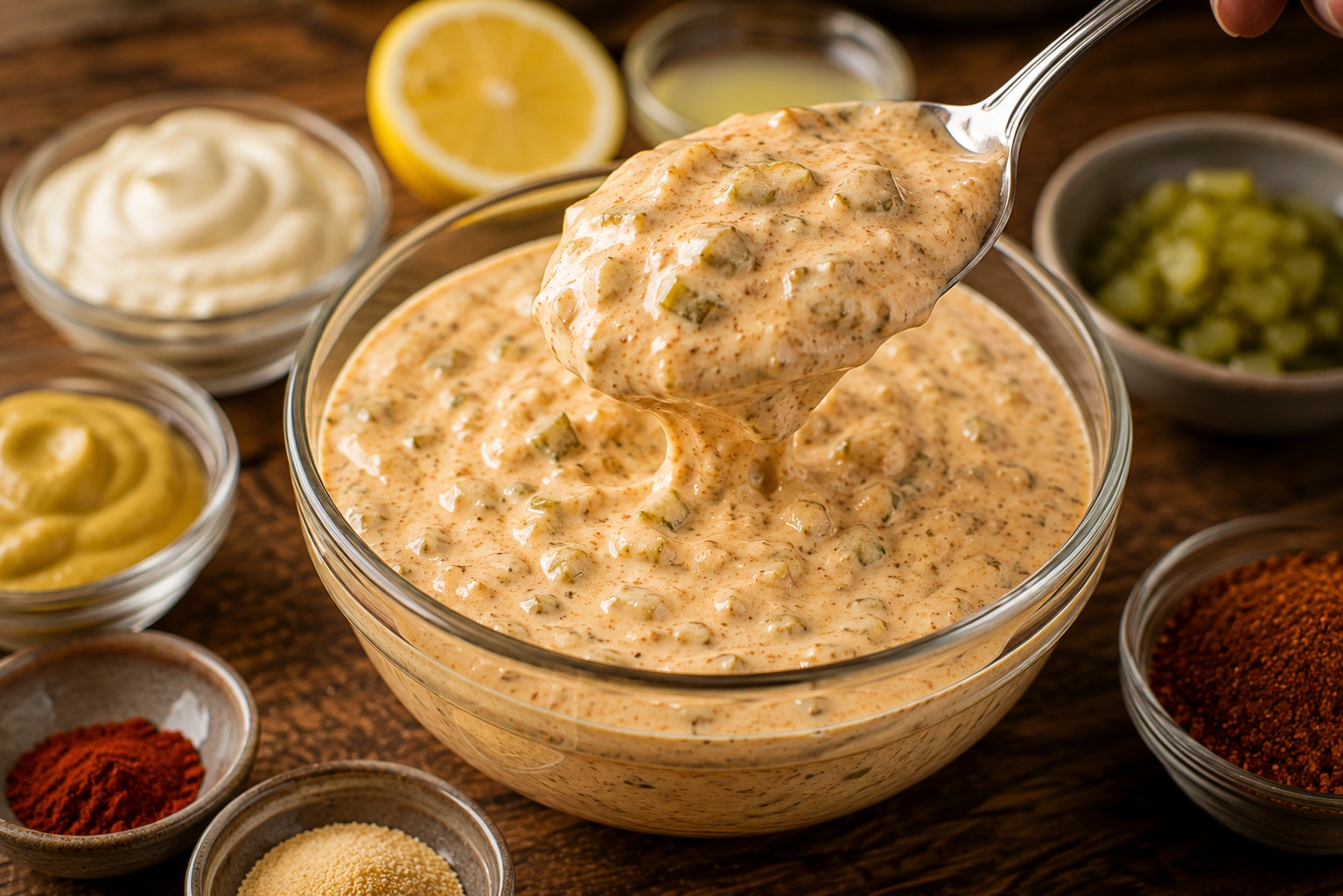
Homemade remoulade sauce offers greater flexibility. You control the amount of mustard, Cajun seasoning, lemon juice, pickle relish, and spice while using familiar ingredients. Whether you prefer a milder sauce for fish sandwiches or a bolder version for shrimp and crab cakes, it’s easy to adjust without changing the overall character of the recipe.
Rather than replacing convenience, homemade remoulade sauce gives you more control while creating a fresh, restaurant-style condiment in just a few minutes.
Why This Recipe Works
Mayonnaise creates the rich, creamy base that gives remoulade its smooth texture.
Dijon mustard adds depth and tang while helping define the sauce’s bold character.
Sweet pickle relish contributes gentle sweetness and small bursts of texture.
Fresh lemon juice brightens the richness and balances the creamy ingredients.
Cajun seasoning provides the signature Southern-inspired flavor that sets remoulade apart from tartar sauce.
Garlic powder and paprika add savory depth and subtle warmth.
Optional hot sauce lets you adjust the heat without changing the overall balance of the sauce.
The balance of creamy mayonnaise, bright lemon, tangy mustard, and bold Cajun seasoning is what gives remoulade sauce its signature flavor. Small adjustments to the mustard, Cajun seasoning, or hot sauce can noticeably change the finished sauce while preserving its classic character.
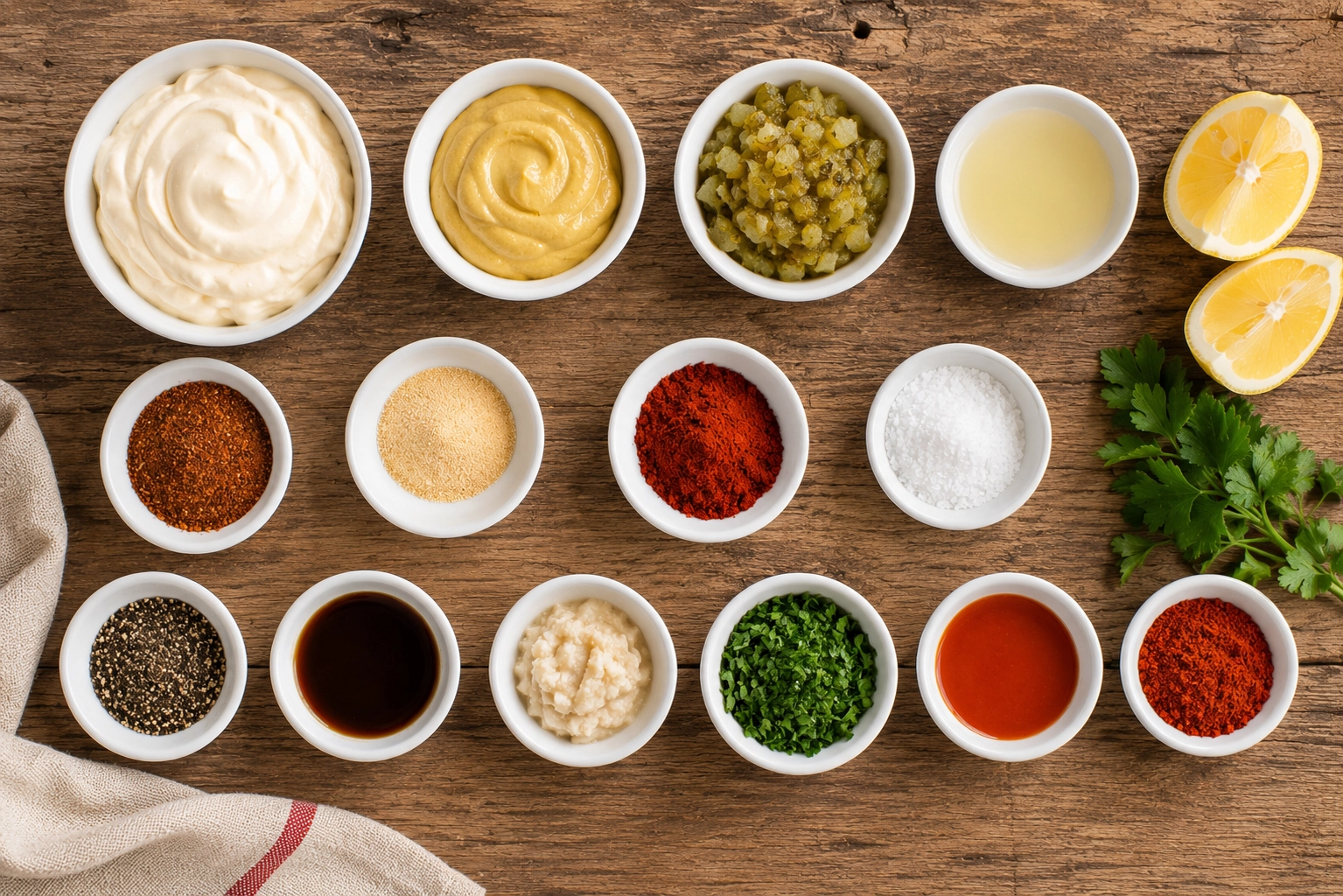
Ingredients
Main Ingredients
Optional Additions
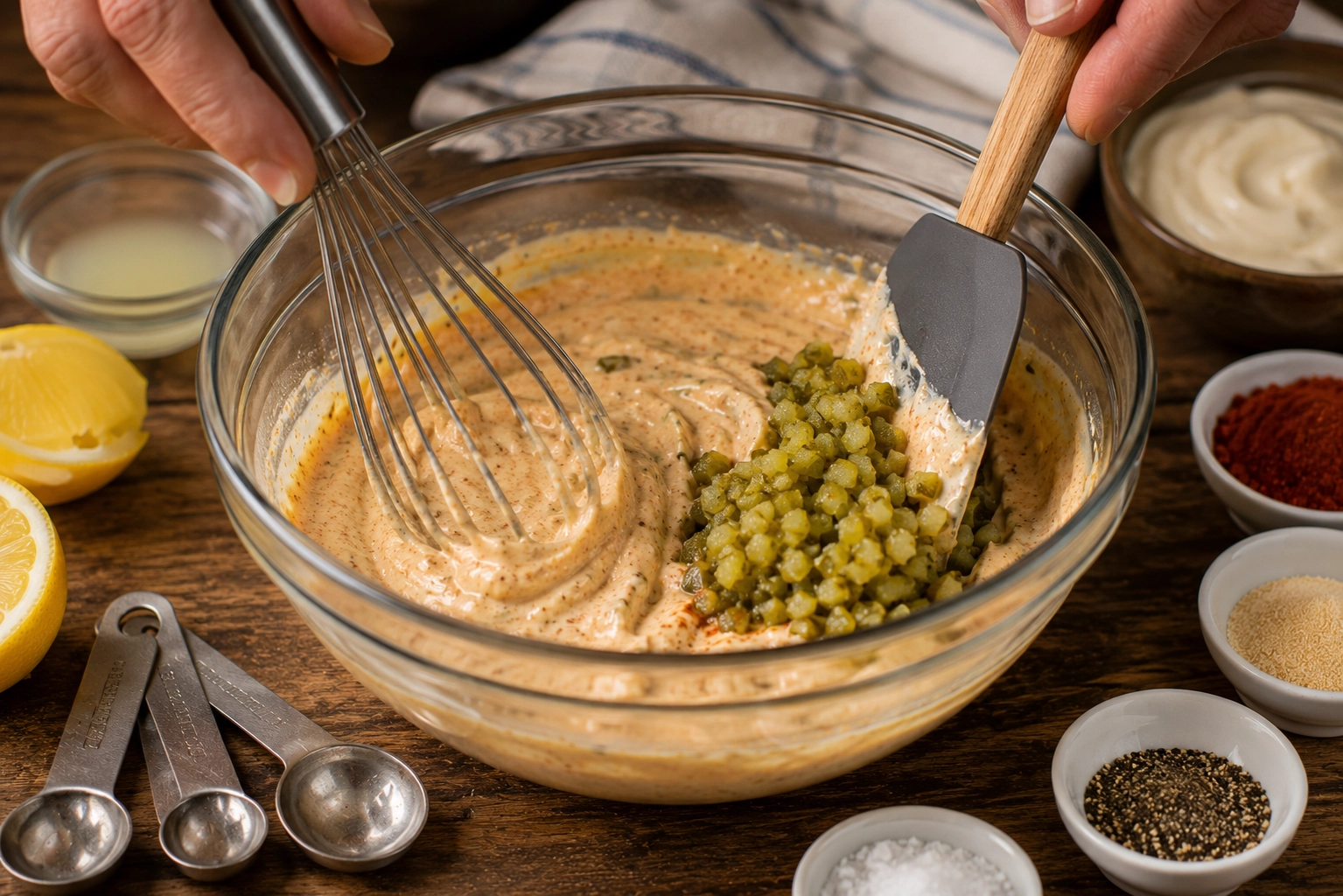
Instructions
1. Add the mayonnaise, Dijon mustard, pickle relish, lemon juice, Cajun seasoning, garlic powder, paprika, salt, and black pepper to a medium mixing bowl.
2. Whisk until the sauce is smooth and evenly combined.
3. Stir in any optional ingredients if using.
4. Taste and adjust the mustard, lemon juice, Cajun seasoning, or heat to your preference.
5. Cover and refrigerate for at least 30 minutes before serving.
6. Stir well before serving.
Flavor & Outcome
This homemade remoulade sauce is creamy with a balanced combination of tangy mustard, bright lemon, savory seasonings, and gentle Cajun spice. The pickle relish adds subtle sweetness and texture while the paprika and garlic create additional depth.
After chilling, the flavors become more cohesive and the sauce thickens slightly. The result is a versatile condiment that complements seafood, burgers, sandwiches, fries, and roasted vegetables without overpowering the food it’s served with.
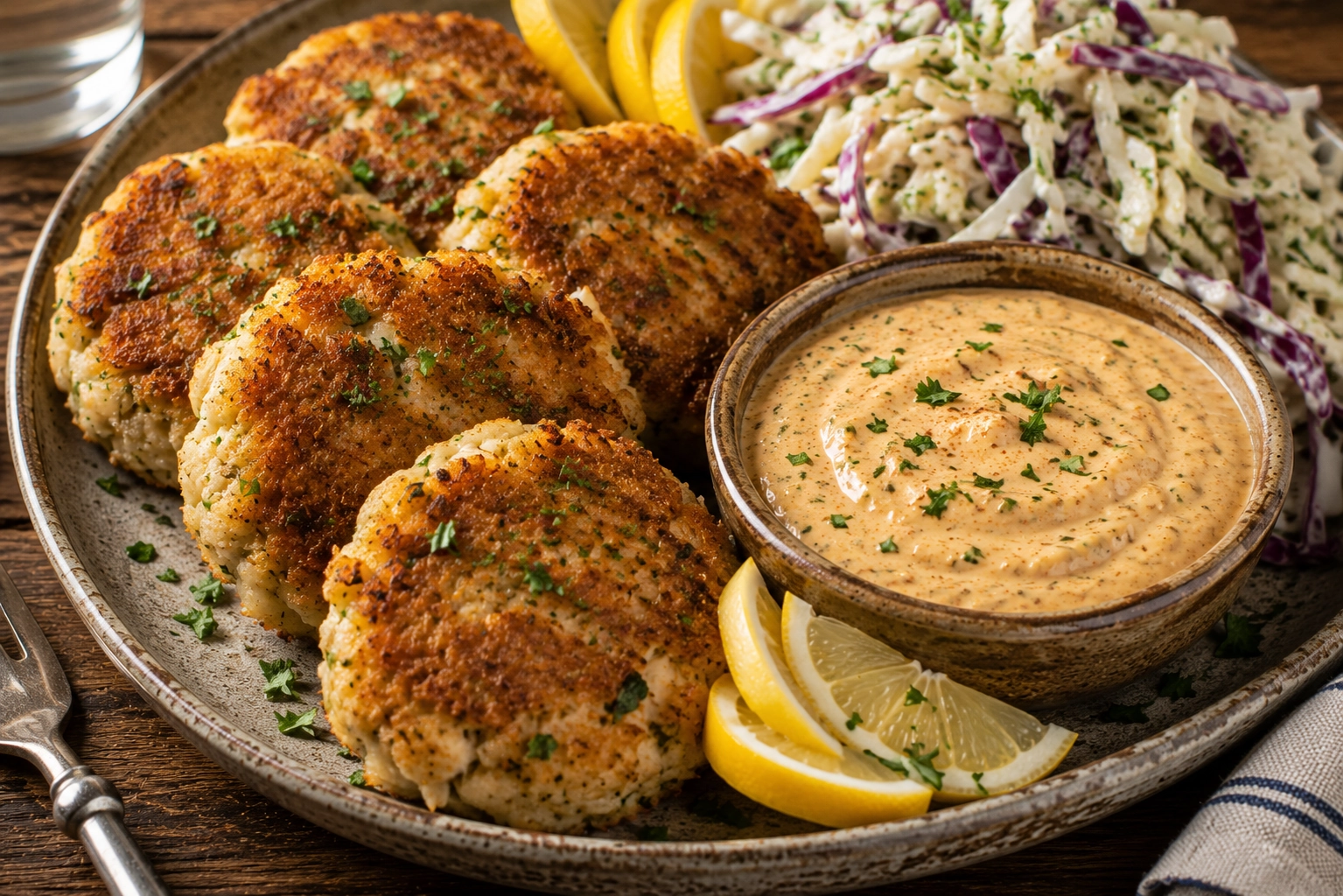
Serving Ideas
Homemade remoulade sauce is delicious with:
Storage & Make-Ahead Tips
Refrigerator Storage
Store the sauce in an airtight container in the refrigerator for up to 1 week.
Freezer Suitability
Freezing is not recommended, as mayonnaise-based sauces may separate after thawing.
Shelf Life
For the freshest flavor and texture, enjoy within the first week after preparing.
Make-Ahead Notes
Preparing the sauce several hours ahead allows the seasonings and lemon juice to fully blend, creating an even smoother, more balanced flavor.
Common Questions
What’s the difference between remoulade sauce and tartar sauce?
Both sauces use mayonnaise as a base, but remoulade is typically more boldly seasoned with Dijon mustard, Cajun spices, garlic, and paprika. Tartar sauce usually has a simpler flavor built around mayonnaise, pickles, and herbs.
Can I make it spicier?
Yes. Add more Cajun seasoning, a dash of hot sauce, or a pinch of cayenne pepper until it reaches your preferred level of heat.
Can I use homemade mayonnaise?
Absolutely. Homemade mayonnaise creates an even fresher remoulade sauce and serves as an excellent base for the recipe.
Why should I chill the sauce before serving?
Chilling gives the lemon, mustard, garlic, and Cajun seasoning time to blend together while slightly thickening the sauce.
Is remoulade only for seafood?
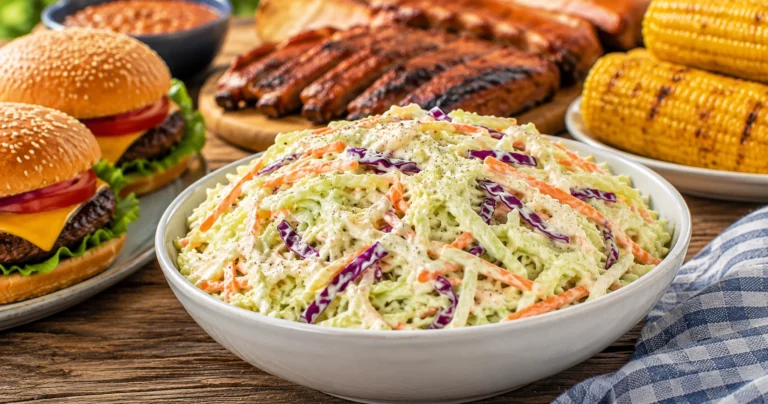
Not at all. It’s excellent on burgers, sandwiches, wraps, fries, roasted vegetables, and as a dipping sauce for chicken or fresh vegetables.
Next Real Food Upgrade
If you enjoyed making homemade remoulade sauce, Homemade Tartar Sauce is another seafood classic worth adding to your recipe collection as your library grows. In the meantime, remoulade sauce also pairs naturally with homemade mayonnaise, homemade fry sauce, roasted garlic aioli, homemade honey mustard, and homemade Buffalo sauce, giving you a versatile collection of homemade condiments for everything from seafood dinners to burgers and sandwiches.