Why Homemade Marinara Sauce Tastes Better Than Store-Bought
Quick Answer
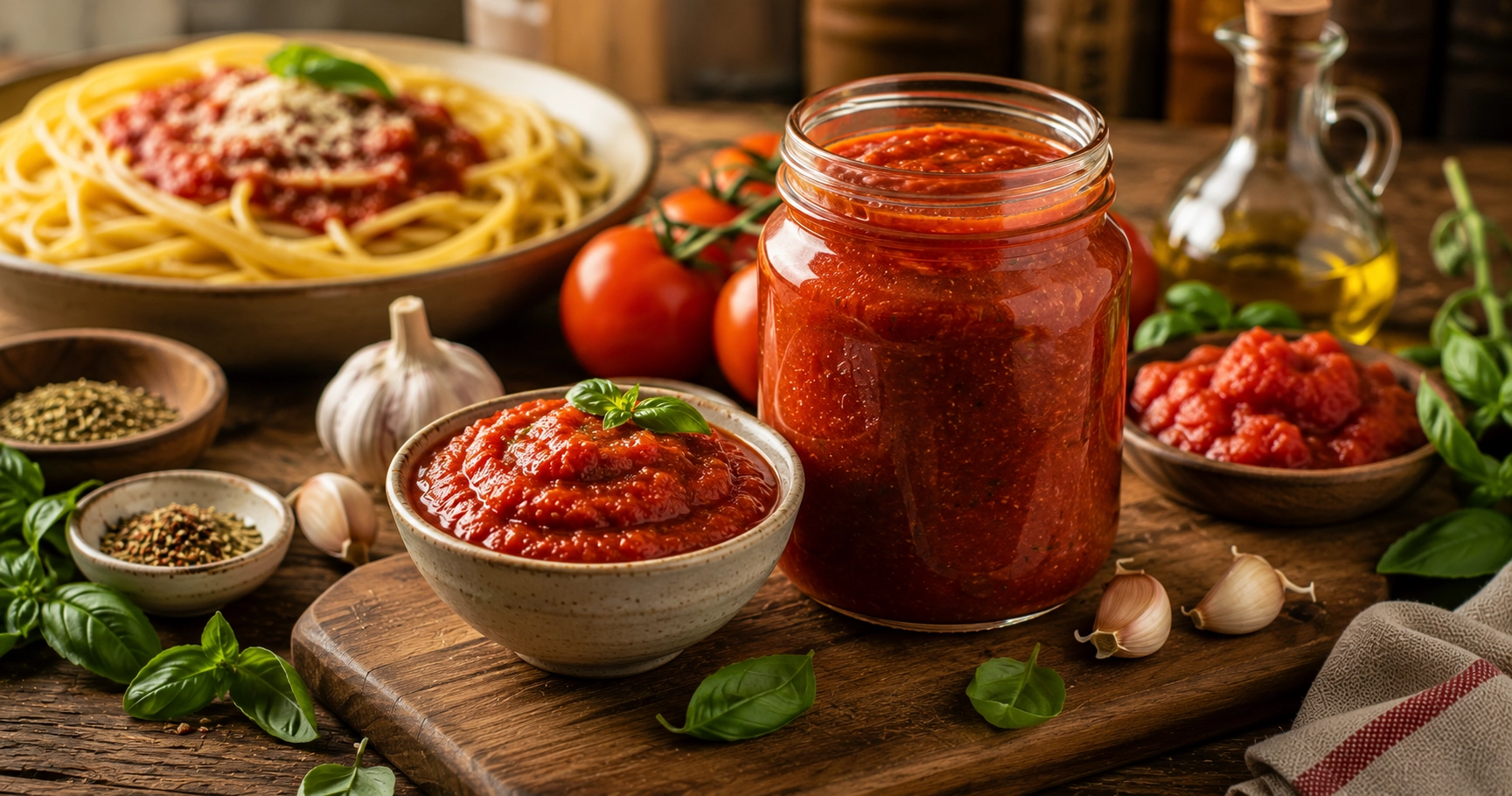
Homemade marinara sauce is a rich tomato sauce made with simple pantry ingredients like crushed tomatoes, garlic, olive oil, Italian herbs, and seasonings. It simmers into a flavorful sauce that works for pasta, casseroles, dipping, meatballs, and countless Italian-inspired meals while giving you complete control over the herbs, garlic, richness, and seasoning.
Unlike pizza sauce, which is often thicker and designed specifically for spreading on pizza dough, marinara sauce is typically simmered longer to develop a deeper tomato flavor. Making it at home creates a fresh, versatile sauce that’s easy to customize for everything from spaghetti to baked ziti.
Real-World Observation
Many people assume homemade marinara sauce requires hours of cooking, but even a short simmer creates a rich, well-balanced sauce using ingredients already found in many kitchens.
As the sauce cooks, the garlic softens, the tomatoes become sweeter, and the herbs gradually blend into the tomato base. Small adjustments to the garlic, Italian herbs, crushed red pepper, or simmering time can noticeably change the finished flavor while keeping the familiar character of classic marinara.
The Real Food Upgrade
Jarred marinara sauce offers convenience, consistent flavor, and a ready-to-use option for pasta night or quick weeknight meals. It’s an easy pantry staple for a variety of Italian dishes.
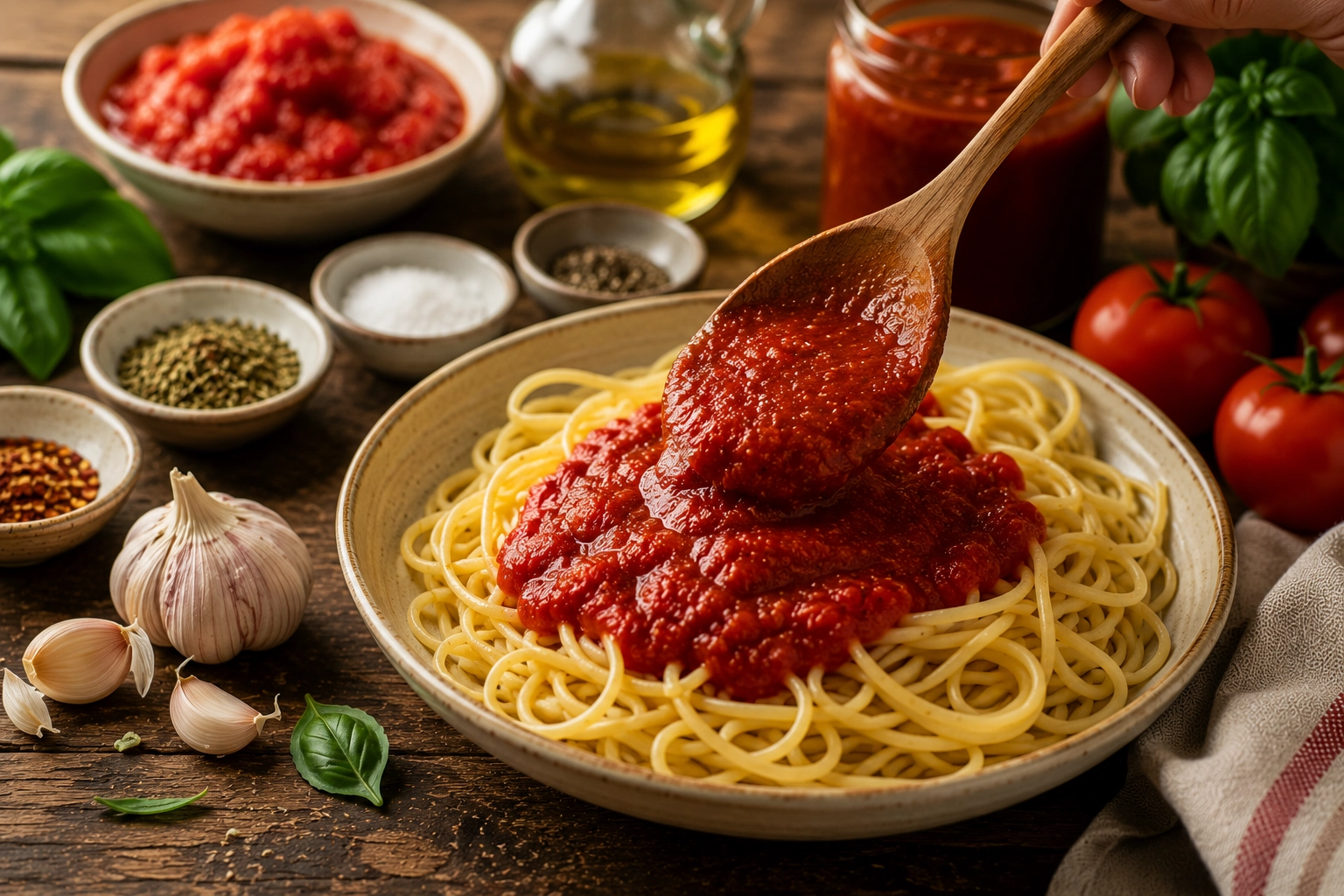
Homemade marinara sauce offers greater flexibility. You control the herbs, garlic, seasoning, thickness, and richness while using recognizable pantry ingredients. Whether you’re serving pasta, layering lasagna, dipping breadsticks, or spooning sauce over meatballs, the recipe is easy to adjust for different meals.
Rather than replacing convenience, homemade marinara sauce gives you more control while creating a fresh, versatile sauce that becomes the foundation for many Italian-inspired recipes.
Why This Recipe Works
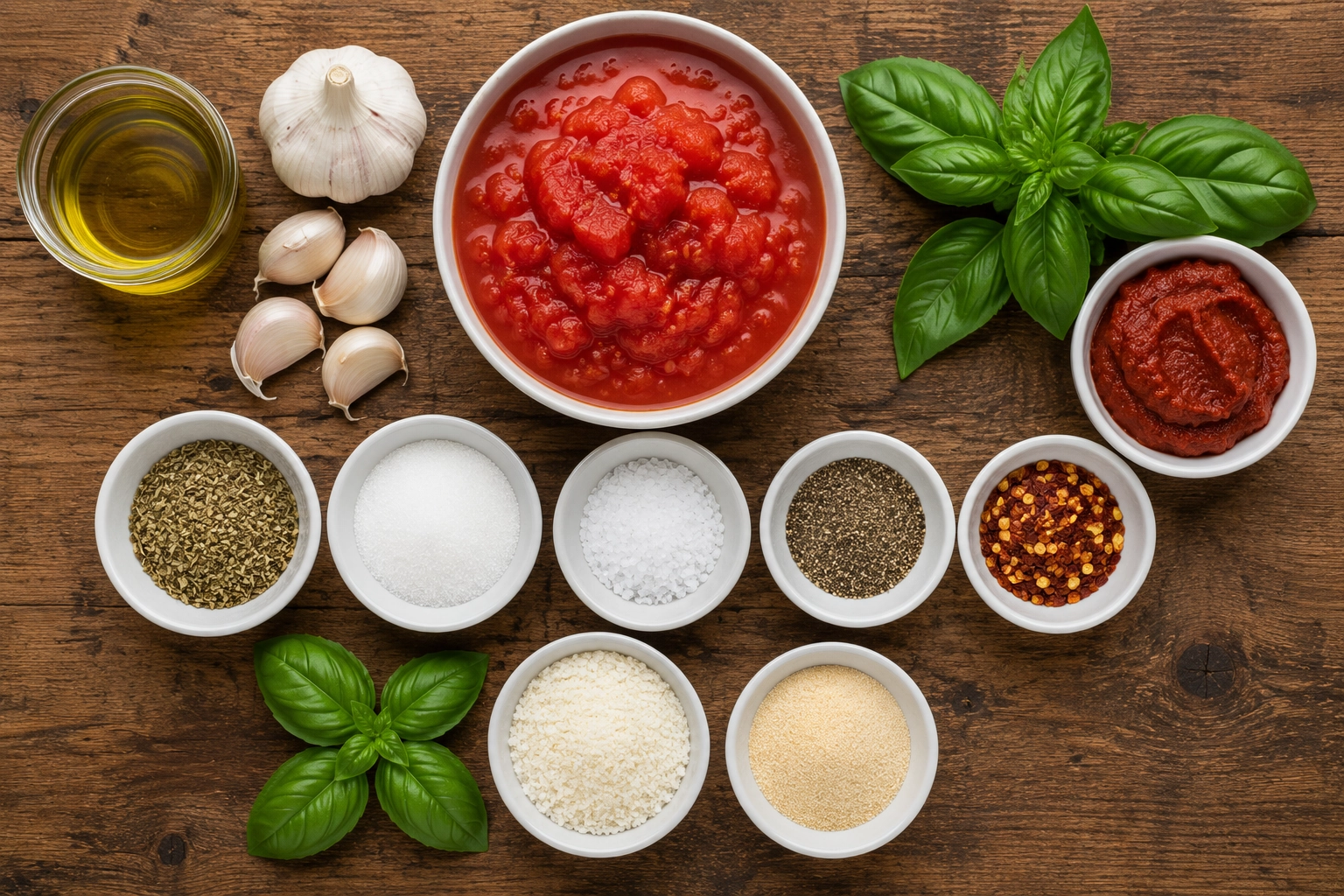
ParagrapCrushed tomatoes create the hearty tomato base that gives marinara sauce its rich texture and flavor.
Olive oil provides richness while helping the garlic and herbs develop their full flavor.
Fresh garlic creates the signature savory character that becomes sweeter as the sauce simmers.
Homemade Italian herb seasoning provides a balanced blend of oregano, basil, thyme, rosemary, and other herbs that build classic Italian flavor. If you already have homemade Italian herb seasoning prepared, this recipe comes together with even less effort.
A small amount of sugar balances the natural acidity of the tomatoes without making the sauce noticeably sweet.
Salt and black pepper round out the flavor while allowing the tomatoes to remain the focus.
Optional crushed red pepper flakes add gentle warmth without overwhelming the sauce.
The balance of rich tomatoes, garlic, Italian herbs, and slow simmering is what gives marinara sauce its classic flavor. Small adjustments to the garlic, herbs, or simmering time can noticeably change the finished sauce while preserving its familiar Italian character.
Ingredients
Main Ingredients
Optional Additions
Instructions
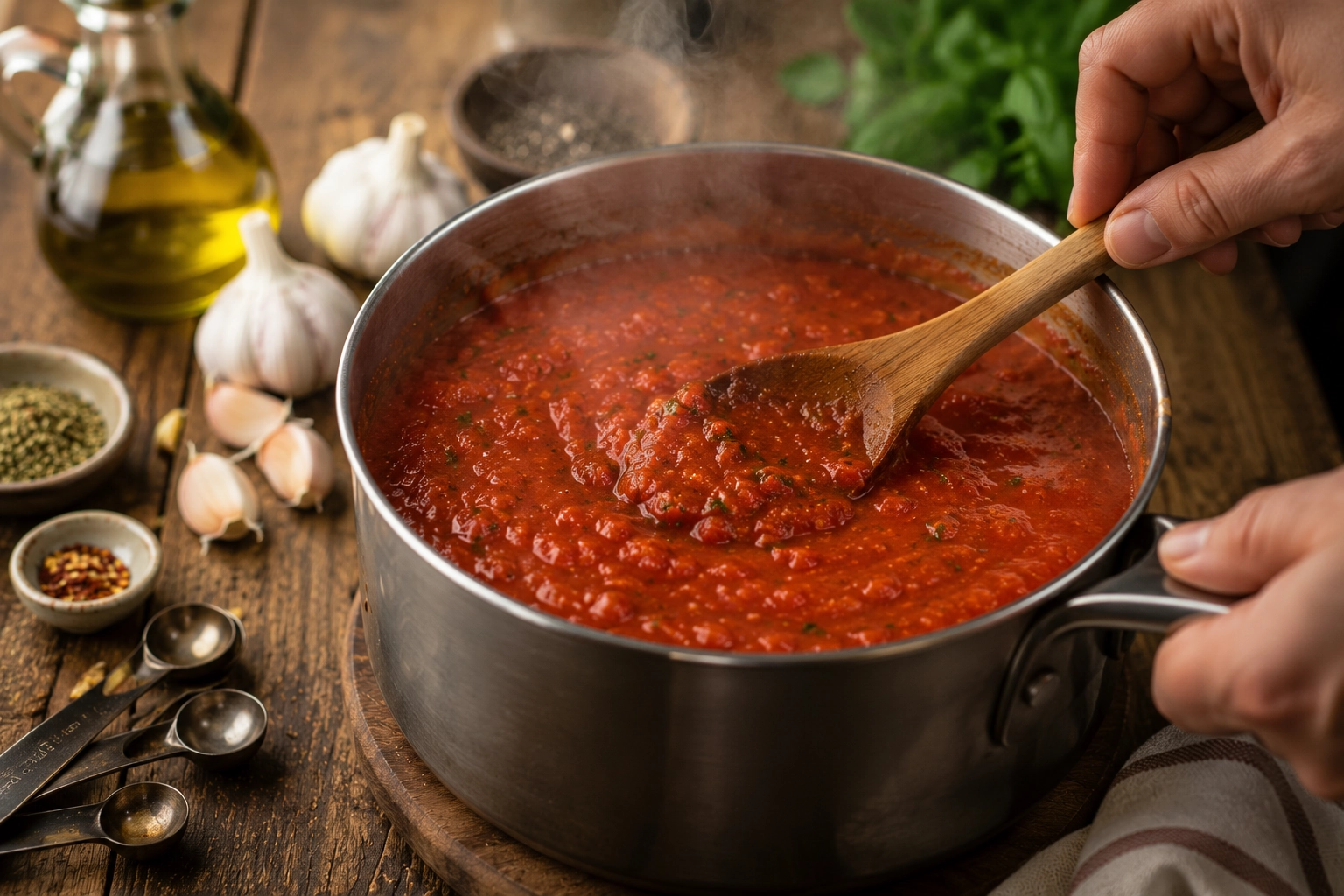
1. Heat the olive oil in a medium saucepan over medium heat.
2. Add the garlic and cook for about 1 minute until fragrant.
3. Stir in the crushed tomatoes, Italian herb seasoning, sugar, salt, and black pepper.
4. Add any optional ingredients if using.
5. Bring the sauce to a gentle simmer.
6. Simmer for 20 to 30 minutes, stirring occasionally.
7. Taste and adjust the herbs or seasoning before serving.
Flavor & Outcome
This homemade marinara sauce is rich and well balanced with bright tomato flavor, savory garlic, and aromatic Italian herbs. The gentle simmer softens the tomatoes while allowing the herbs to fully develop without overpowering the sauce.
As the marinara cooks, it thickens slightly while remaining smooth enough for pasta, dipping, casseroles, and meatball recipes. The flavor continues to deepen as it rests, making it an excellent make-ahead sauce.
Serving Ideas
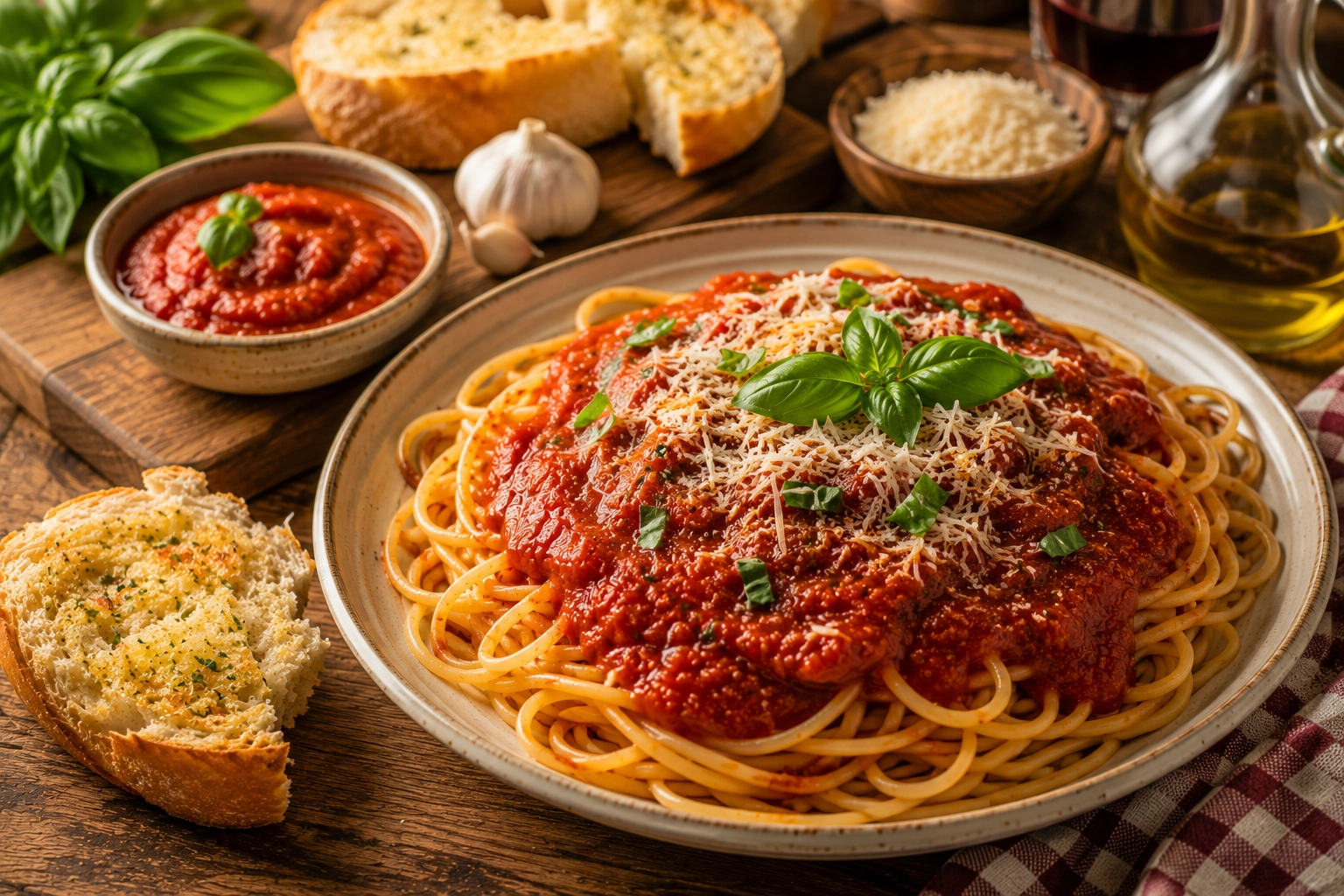
Homemade marinara sauce is delicious with:
Storage & Make-Ahead Tips
Refrigerator Storage
Store the cooled sauce in an airtight container in the refrigerator for up to 5 days.
Freezer Suitability
Freeze in freezer-safe containers for up to 3 months. Thaw overnight in the refrigerator and reheat gently before serving.
Shelf Life
For the freshest flavor, enjoy within 5 days when refrigerated.
Make-Ahead Notes
Homemade marinara sauce is ideal for meal prep. Preparing it a day ahead gives the garlic, tomatoes, and herbs additional time to develop an even richer flavor.
Common Questions
What’s the difference between marinara sauce and pizza sauce?
Marinara sauce is usually simmered longer and is commonly served with pasta, casseroles, and dipping dishes. Pizza sauce is often thicker, more simply seasoned, and designed specifically for spreading on pizza before baking.
Can I use homemade Italian herb seasoning?
Absolutely. Homemade Italian herb seasoning provides a balanced blend of herbs and makes this recipe even easier to prepare.
Can I make marinara sauce thicker?
Yes. Simmer it a little longer or stir in a small amount of tomato paste to create a thicker consistency.
Can I freeze homemade marinara sauce?
Yes. It freezes well for up to 3 months and reheats beautifully for quick weeknight meals.
What can I use marinara sauce for besides pasta?
It’s excellent with meatballs, lasagna, baked ziti, breadsticks, garlic knots, mozzarella sticks, calzones, stuffed shells, and many other Italian-inspired dishes.
Next Real Food Upgrade
If you enjoyed making homemade marinara sauce, Homemade Pizza Sauce is the natural next recipe to try. While marinara develops deeper flavor through simmering, pizza sauce is designed specifically to complement cheese and toppings on homemade pizza. As your collection of homemade Italian favorites grows, marinara sauce also pairs naturally with homemade Italian herb seasoning, homemade garlic herb butter, homemade Caesar dressing, homemade ranch dressing, and future recipes like pizza dough, breadsticks, garlic knots, calzones, and lasagna.