Why Homemade Hot Honey Tastes Better Than Bottled Hot Honey
Quick Answer
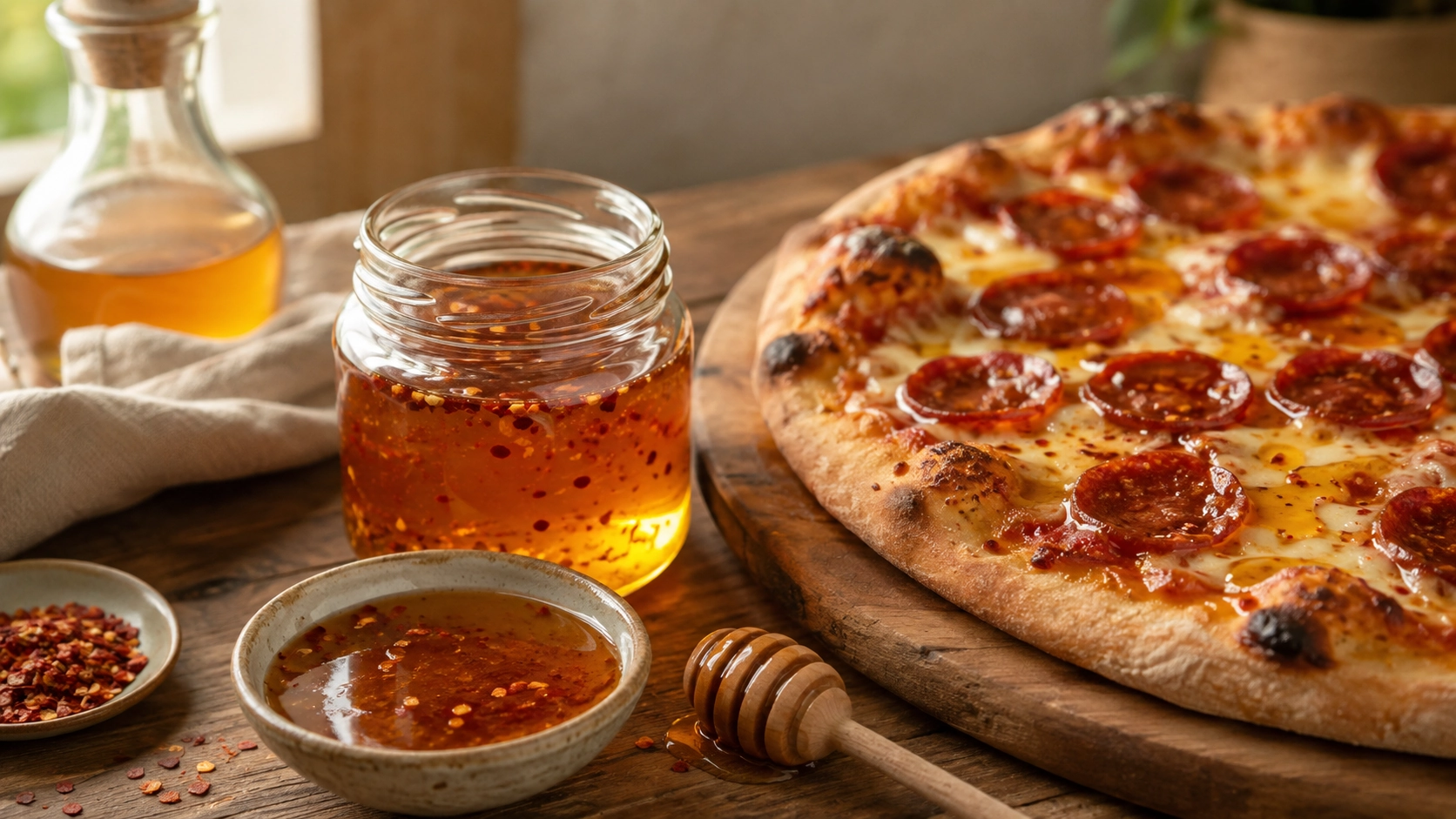
Homemade hot honey transforms regular honey into a sweet, spicy finishing condiment using dried red pepper flakes and a small amount of vinegar. The honey remains the main flavor, while the chile adds warmth that develops after the initial sweetness.
Making hot honey at home also gives you control over the heat level, acidity, texture, and amount of pepper sediment. You can strain it for a smooth drizzle or leave some flakes behind for stronger heat that continues to develop during storage.
Real-World Observation
Hot honey often tastes spicier after it sits than it does immediately after warming. The chile continues releasing flavor while the honey cools, especially when the red pepper flakes remain in the jar.
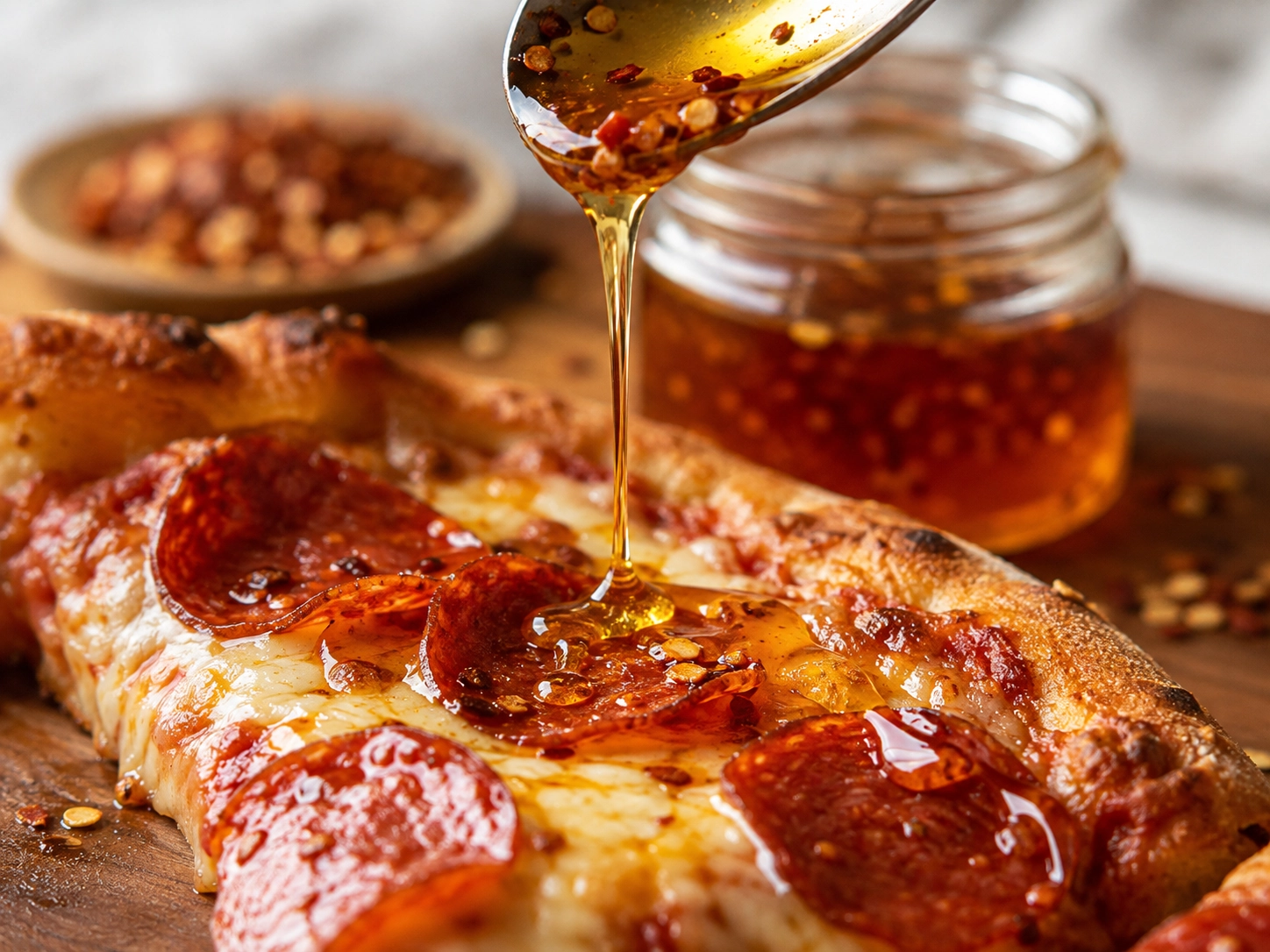
The texture also changes with temperature. Warm hot honey flows easily from a spoon, while cool honey becomes thicker and slower to drizzle. This is normal and can be corrected by gently warming the jar before serving.
The Real Food Upgrade
Bottled Hot Honey
Bottled hot honey offers a convenient combination of sweetness and chile heat with a consistent flavor and texture. Depending on the product, it may also contain additional sweeteners, flavorings, stabilizers, or a specific chile blend chosen by the manufacturer.
The heat level is fixed, and some versions lean more heavily toward pepper flavor or vinegar than others.
Homemade Hot Honey
Homemade hot honey keeps the ingredient list focused on honey, dried chile flakes, and a small amount of vinegar. It preserves the recognizable flavor and thick texture of honey while adding an adjustable layer of heat.
1. Making it yourself allows you to control:
2. The amount of chile heat
3. The length of the infusion
4. Whether the pepper flakes remain in the honey
5. The type and flavor of the honey
6. The amount of acidity
7. The final drizzling consistency
The result is a dependable finishing condiment that can move between pizza, fried chicken, roasted vegetables, cheese, biscuits, and breakfast foods without overpowering them.
Why This Recipe Works
Honey provides both the sweetness and the pourable base. A mild, everyday honey works especially well because it leaves room for the chile flavor without becoming overly floral or bitter when warmed.
Dried red pepper flakes provide a predictable starting point for the heat. They contain a mixture of pepper skin, seeds, and chile particles that gradually infuse the warm honey. This produces a delayed warmth rather than the immediate vinegar-forward bite associated with many hot sauces.
A teaspoon of apple cider vinegar brightens the sweetness without making the honey taste sour. It is added after the honey has been warmed so its fresh acidity remains noticeable.
The honey is gently heated rather than boiled. Low heat loosens its texture and helps extract flavor from the pepper flakes. Boiling can darken the honey, alter its flavor, and make the finished texture more difficult to control.
Straining the honey stops most of the continuing infusion and produces a smoother condiment. Leaving the flakes in creates a more rustic texture and gradually increases the heat.
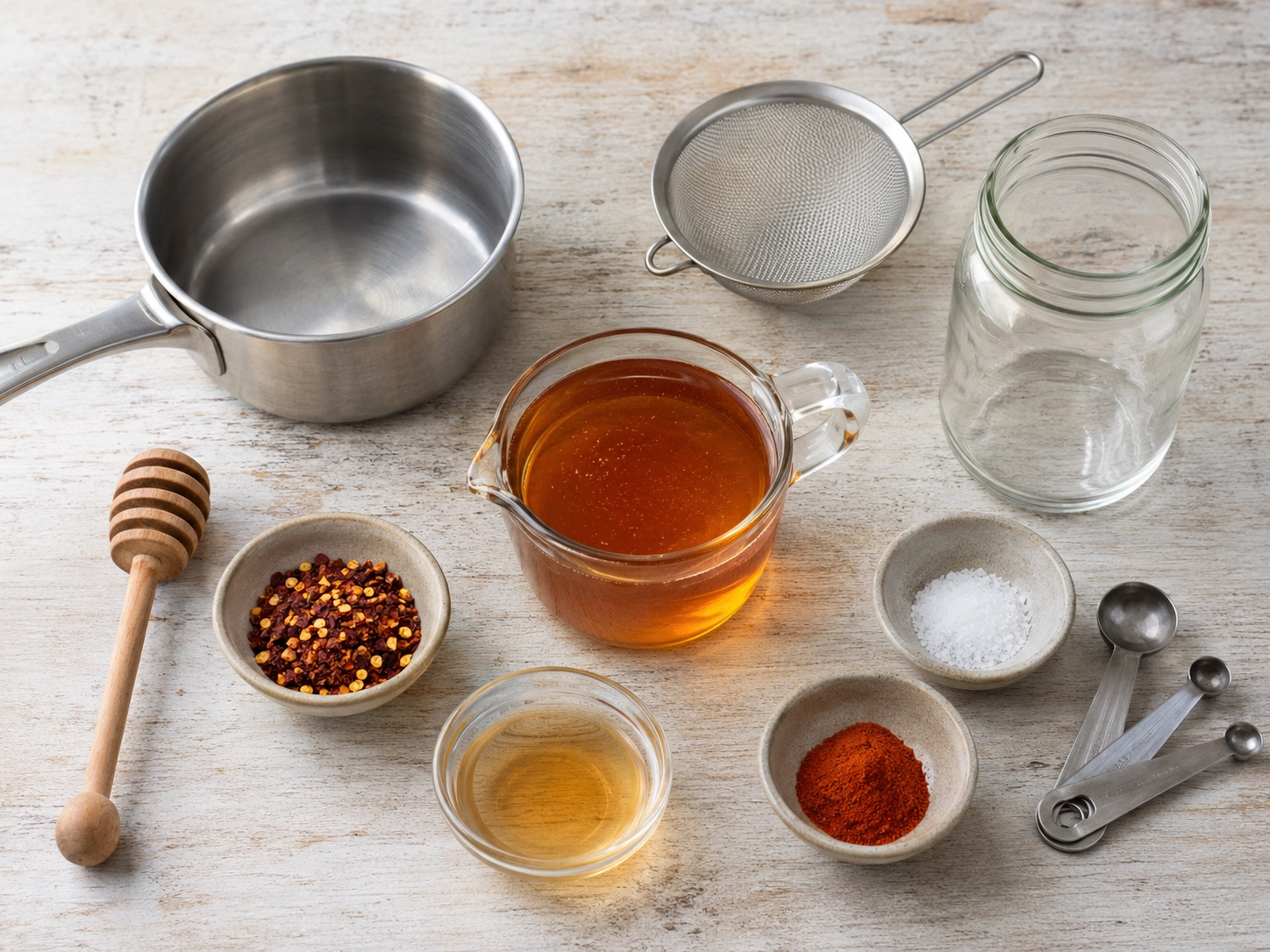
Ingredients
Main Ingredients ( Makes about 1 Cup of hot honey)
Optional Additions
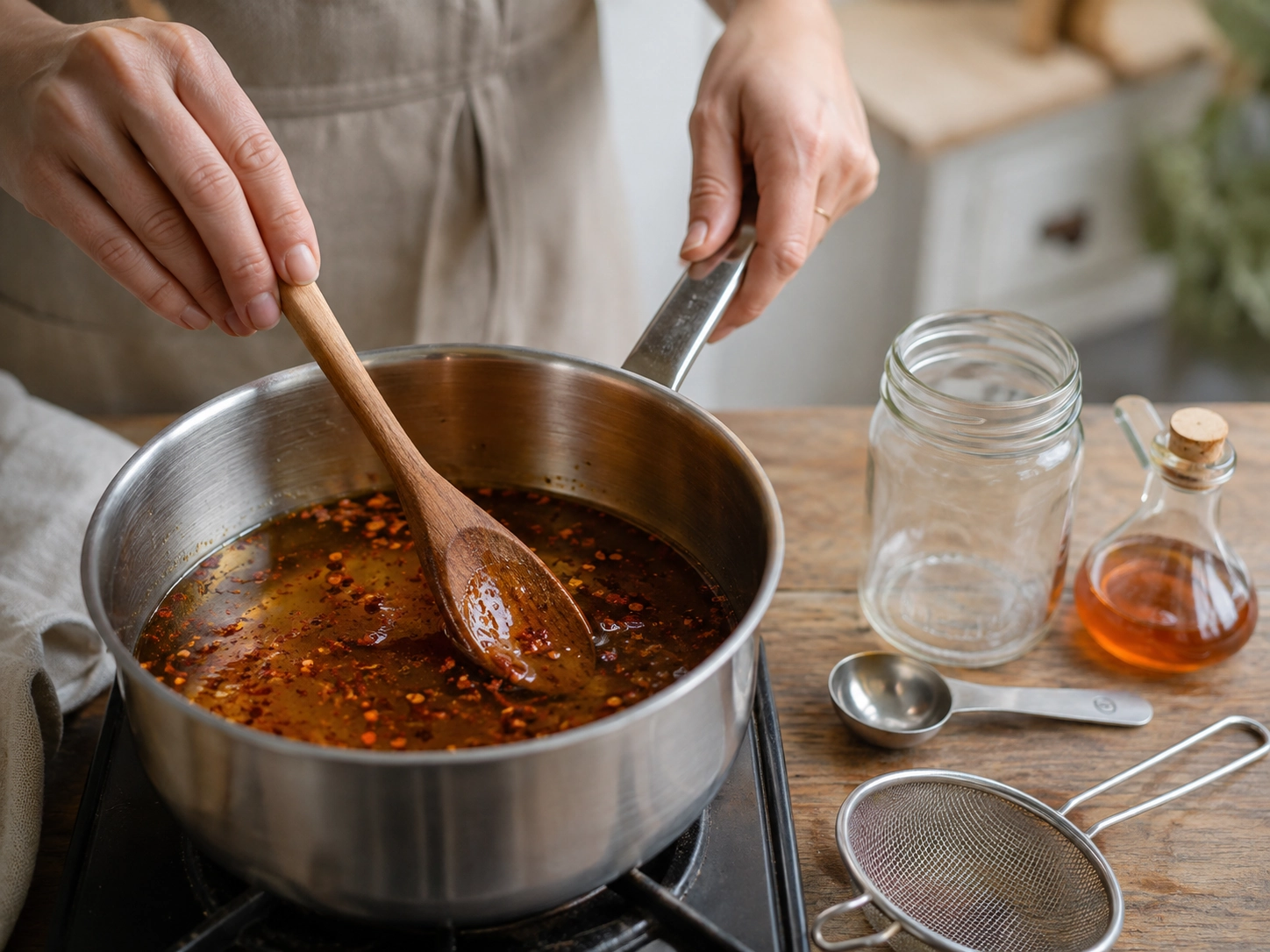
Instructions
1. Add the honey and red pepper flakes to a small saucepan.
2. Warm the mixture over low heat for 5 minutes, stirring occasionally. The honey should become loose and warm but should not simmer or boil.
3. Remove the saucepan from the heat.
4. Let the red pepper flakes steep in the warm honey for 10 minutes.
5. Taste a small amount after it has cooled slightly. For stronger heat, allow the honey to steep for another 5 to 10 minutes.
6. Pour the warm honey through a fine-mesh strainer into a clean, dry jar for a smooth finished condiment.
7. Stir in the apple cider vinegar.
8. Let the hot honey cool before sealing the jar.
9. Store the finished hot honey at cool room temperature or in the refrigerator, depending on how quickly you plan to use it.
Flavor & Outcome
The finished hot honey tastes sweet at first, followed by a mild-to-medium chile warmth. The vinegar provides a light brightness in the background but should not make the condiment taste sharp or sour.
Strained hot honey remains smooth and easy to drizzle. It may contain a few tiny chile particles, but it should not feel thick or gritty.
Leaving the flakes in the jar creates a stronger pepper aroma and a more noticeable chile flavor. The honey will also become progressively hotter as it sits.
Hot honey flows most easily when it is slightly warm or at room temperature. It becomes thicker when chilled and may pour slowly directly from the refrigerator.
Because honey contains natural sugars, hot honey works best as a finishing condiment. Adding it near the end of cooking helps prevent scorching and preserves the contrast between sweetness and chile warmth.
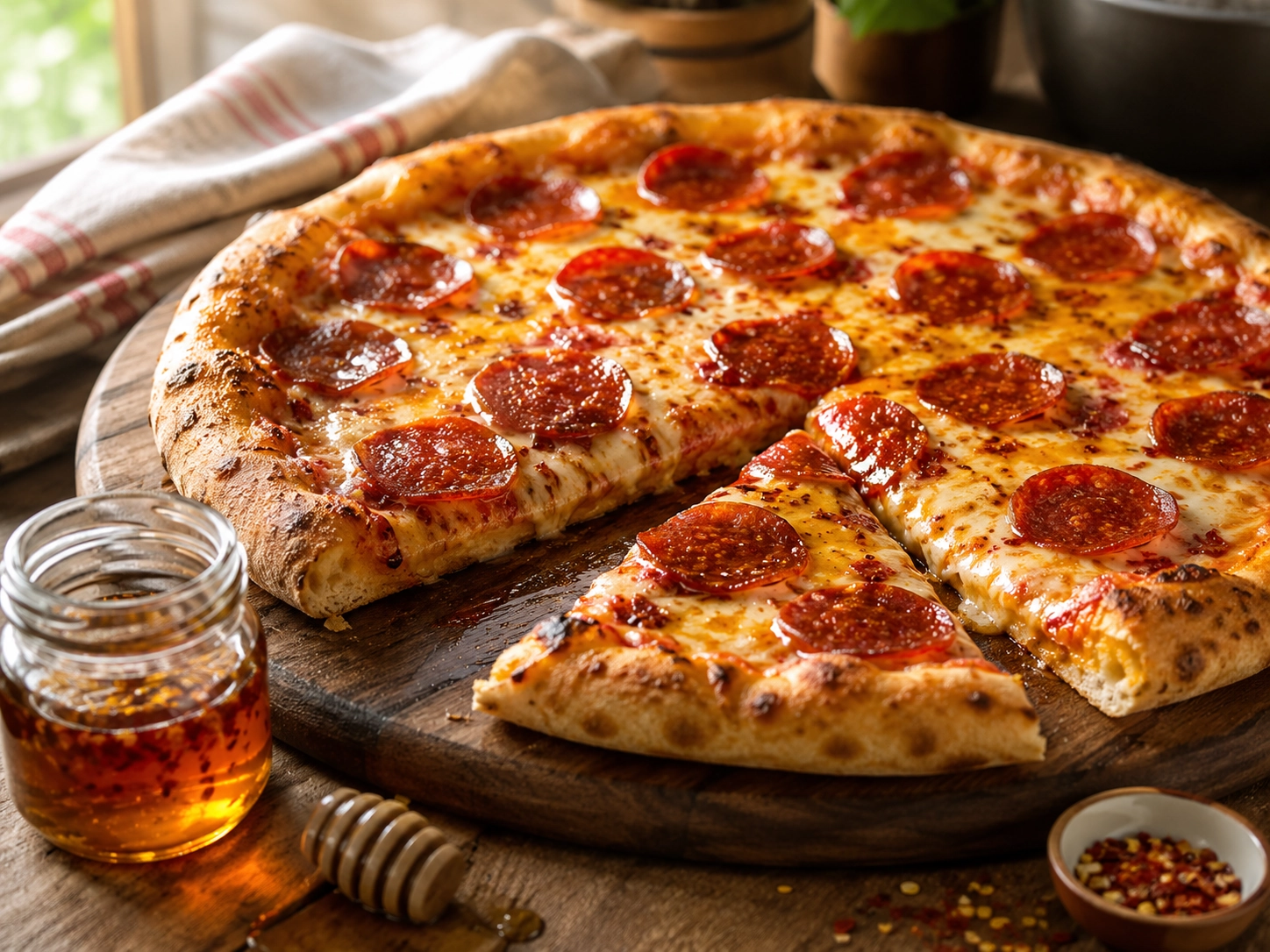
Serving Ideas
Drizzle homemade hot honey over:
Storage & Make-Ahead Tips
Refrigerator Storage
For longer storage, refrigerate homemade hot honey for up to 3 months. Refrigeration will make the honey thicker, but it will loosen again when gently warmed.
Freezer Suitability
Freezing is not necessary and can make the texture less convenient to use. Honey already has a naturally long storage life when protected from excess moisture and contamination.
Room-Temperature Storage
Store hot honey made with dried pepper flakes in a clean, dry, tightly sealed jar at cool room temperature for up to 1 month.
Keep moisture, crumbs, and food particles out of the jar. Use a clean, dry spoon each time.
Make-Ahead Notes
Hot honey can be prepared several days or weeks before serving. The flavor may become slightly more integrated as it rests.
The storage guidance for this recipe applies only to hot honey made with dry chile flakes. Adding fresh peppers, fresh garlic, fruit, or other moisture-containing ingredients changes the storage requirements and may introduce additional food-safety concerns.
How to Loosen Crystallized Hot Honey
Honey naturally crystallizes over time. Crystallization does not necessarily mean the honey has spoiled.
Place the sealed jar in a bowl of warm water for several minutes. Stir once the honey begins to loosen. Avoid microwaving the jar at high power or placing cold glass directly into boiling water.
Common Questions
What is hot honey made of?
Hot honey is made by combining honey with a source of chile heat. This recipe uses dried red pepper flakes for a gradual infusion and apple cider vinegar for a small amount of brightness.
How spicy is homemade hot honey?
This recipe produces a mild-to-medium heat level. The sweetness remains noticeable before the chile warmth develops.
For milder hot honey, use 1 teaspoon of red pepper flakes and strain after 10 minutes. For more heat, use 2 teaspoons or extend the infusion by 5 to 10 minutes.
Should hot honey be refrigerated?
Hot honey made only with honey, dried chile flakes, and a small amount of vinegar can be stored at cool room temperature for short-term use. Refrigeration is a practical choice for longer storage, though it will make the honey thicker.
Versions containing fresh peppers, fresh garlic, or fruit should not follow the same room-temperature storage guidance.
Can I make hot honey without red pepper flakes?
Yes. A small amount of cayenne pepper can be stirred into warm honey, starting with about ⅛ teaspoon per cup.
Cayenne creates more immediate and evenly distributed heat, while red pepper flakes produce a slower infusion with more noticeable chile flavor. Avoid using ordinary chili powder unless you want the additional cumin, garlic, and seasoning flavors commonly included in the blend.
How long does homemade hot honey last?
Store this dried-chile hot honey at cool room temperature for up to 1 month or in the refrigerator for up to 3 months. Discard it if you notice fermentation, bubbling, mold, an unusual odor, or signs that moisture has entered the jar.
Next Real Food Upgrade
If you enjoyed turning plain honey into a sweet and spicy finishing condiment, Homemade Sweet Chili Sauce is the natural next upgrade. It builds on the same balance of sweetness, chile heat, and acidity while creating a thicker sauce for dipping, glazing, and tossing with chicken or vegetables.