Why Homemade Pot Roast Seasoning Tastes Better Than Packets
Quick Answer
Homemade pot roast seasoning is a make-ahead blend of onion, garlic, paprika, thyme, rosemary, salt, and black pepper. One complete batch seasons a 3- to 4-pound chuck roast while also flavoring the broth, potatoes, carrots, onions, and finished gravy.
The homemade blend replaces packaged pot roast seasoning without making dinner more complicated. Mix the spices ahead, store them in a small jar, and use the entire batch when preparing one roast.
The upgrade is greater control over the salt, herbs, garlic, and onion flavor. That is especially useful when the recipe also contains broth, Worcestershire sauce, gravy mix, or another ingredient that may already contribute sodium.
Real-World Observation
Pot roast seasoning tastes stronger on the uncooked meat than it does after several hours of cooking. During the long cooking process, the spices move from the surface of the roast into the broth and vegetables, creating a more balanced flavor throughout the meal.
The cooking liquid may also look thin when the roast is first removed. After the beef rests and the broth is reduced or thickened separately, it becomes a richer sauce or gravy. Keeping flour and cornstarch out of the stored seasoning prevents clumping and allows the same blend to work whether the cooking liquid is served as broth or turned into gravy.
The Real Food Upgrade
Packaged Pot Roast Seasoning
Packaged pot roast seasoning offers speed, consistent measurements, and dependable flavor. It can be especially convenient when the roast, vegetables, and cooking liquid need to be assembled quickly.
Depending on the packet, the blend may already contain salt, sugar, thickener, bouillon, or other ingredients designed for a specific preparation method. That consistency is useful, but it can make adjustments more difficult when using salted broth or adding another prepared mix.
Homemade Pot Roast Seasoning
Homemade pot roast seasoning keeps the spices measured and ready while leaving the cooking liquid and gravy thickener separate.
The blend seasons both the roast and the rest of the meal. Onion, garlic, herbs, paprika, salt, and pepper flavor the surface of the beef first, then spread into the broth, carrots, potatoes, and onions as everything cooks.
Keeping the blend free of flour, cornstarch, and bouillon also makes it more flexible. It can be used in a slow cooker, Dutch oven, pressure cooker, or roasting pan without changing how the roast is browned.
Why This Recipe Works
Onion powder provides a savory base that dissolves into the cooking liquid. It supports the fresh onions in the pot without requiring them for the seasoning to work.
Garlic powder distributes evenly over the roast and remains noticeable after several hours of cooking.
Paprika adds mild pepper flavor and a warmer color. It supports the browned surface of the beef without making the roast spicy.
Dried thyme works particularly well with beef, broth, carrots, and potatoes. Its flavor holds up during long cooking without becoming dominant.
Dried rosemary adds a deeper herbal note. Crushing it before mixing prevents large, woody pieces from remaining on the meat.
Fine salt seasons the roast and cooking liquid. The amount is intentionally moderate because broth and optional additions may already contain sodium.
Black pepper adds a gentle bite that remains noticeable after the herbs and vegetables soften.
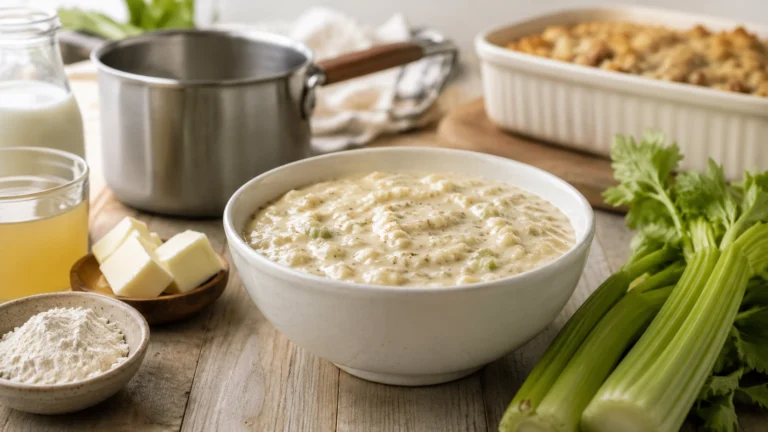
The blend does not contain flour or cornstarch. A thickener can be added to the cooking liquid after the roast is finished, giving you better control over the consistency of the gravy.
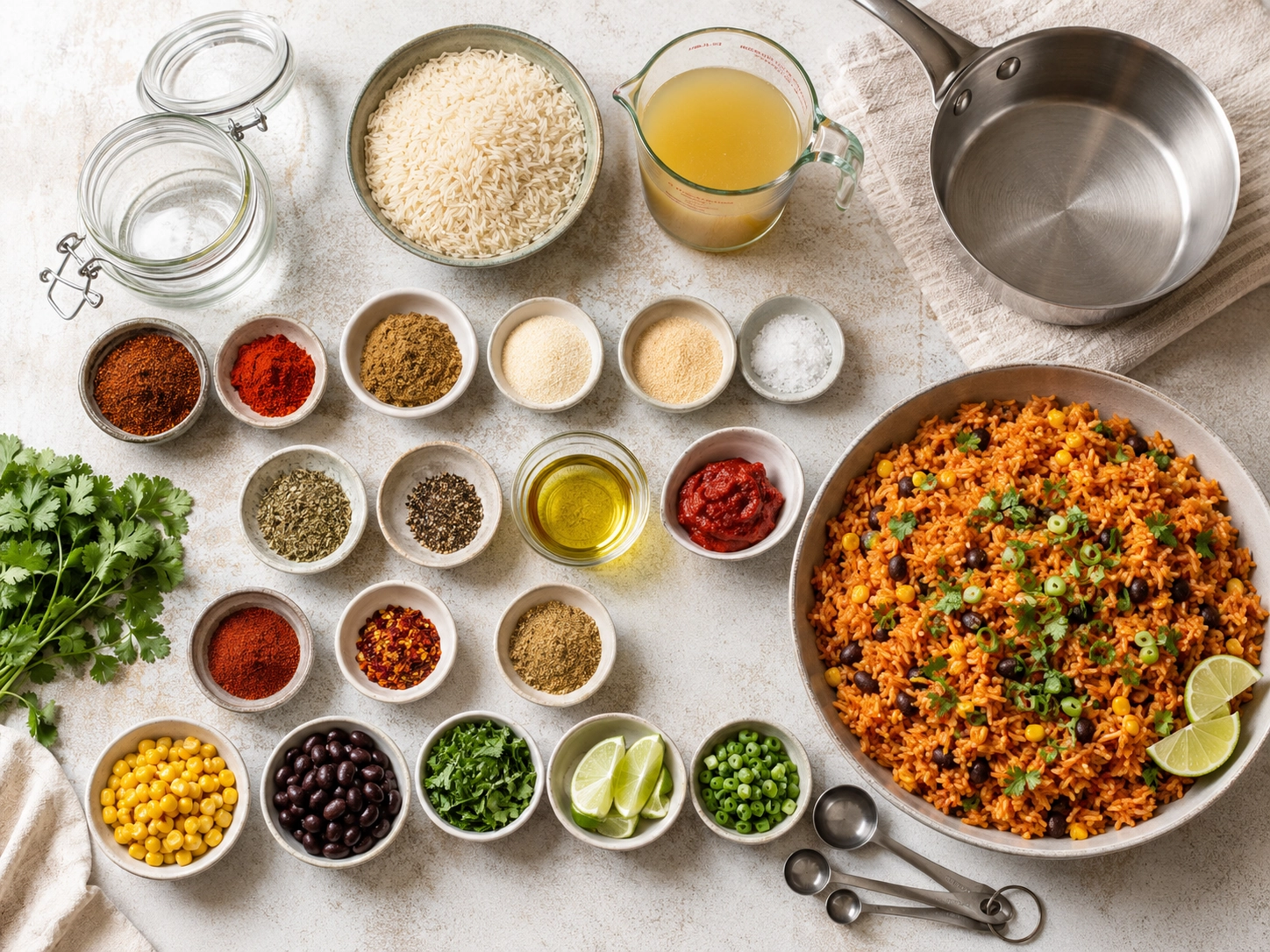
Ingredients
Main Ingredients
Optional Additions
To Make One Pot Roast
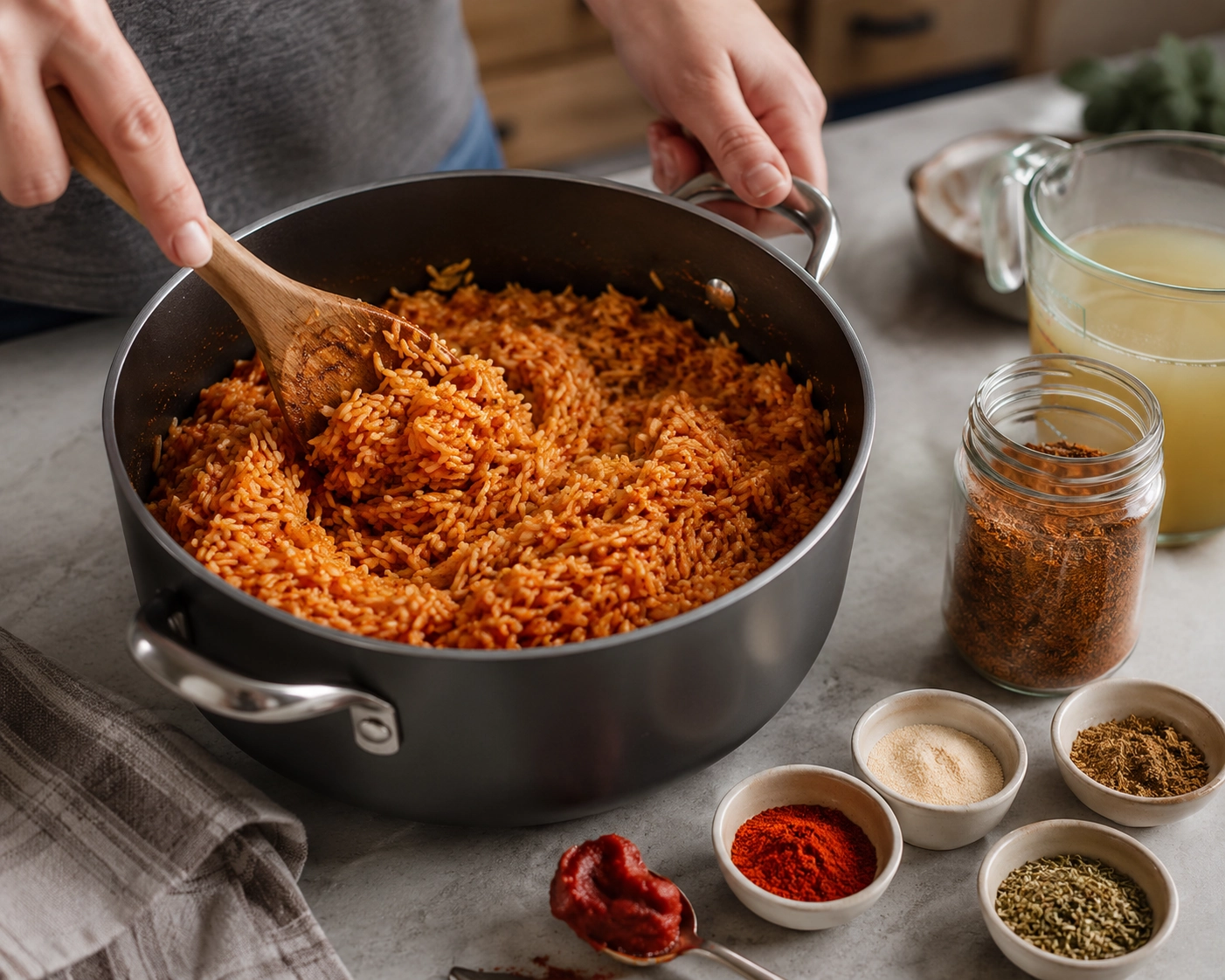
Instructions to Prepare the Seasoning
1. Add the onion powder, garlic powder, paprika, thyme, rosemary, salt, and black pepper to a small bowl.
2. Add smoked paprika, celery seed, or dried parsley when using.
3. Whisk until the seasonings are evenly combined.
4. Use the entire batch immediately or transfer it to a small airtight container.
Instructions to Season the Roast
1. Pat the roast dry with paper towels.
2. Sprinkle the entire seasoning batch over all sides of the roast.
3. Press the seasoning gently onto the surface of the meat.
4. Let the seasoned roast stand for 15 to 20 minutes while preparing the vegetables.
Instructions to Sear the Roast
1. Heat the oil in a large skillet or Dutch oven over medium-high heat.
2. Add the seasoned roast.
3. Brown the first side for 3 to 4 minutes without moving it.
4. Turn the roast and brown the remaining sides.
5. Transfer the roast to the slow cooker.
6. Arrange the carrots, potatoes, and onion around the roast.
7. Pour the beef broth around the sides of the meat.
8. Add the Worcestershire sauce or bay leaf when using.
9. Cover the slow cooker. Cook on low for 8 to 9 hours or on high for 5 to 6 hours.
10. Check that the roast separates easily with a fork.
11. Transfer the roast and vegetables to a serving dish.
12. Let the meat rest for 10 to 15 minutes before slicing or shredding.
Instructions to Make the Gravy
1. Pour 2 cups of cooking liquid into a small saucepan.
2. Bring the liquid to a gentle simmer.
3. Stir together the cornstarch and cold water in a small bowl.
4. Slowly whisk the cornstarch mixture into the simmering liquid.
5. Cook for 1 to 2 minutes, stirring frequently, until the gravy thickens.
6. Taste before adding additional salt.
How Much Pot Roast Seasoning Should I Use?
Use one complete batch for a 3- to 4-pound chuck roast.
The blend measures approximately 3 tablespoons plus 1 teaspoon. This provides enough seasoning for the surface of the beef and the cooking liquid without overwhelming the vegetables.
For a smaller 2-pound roast, use approximately 2 tablespoons. For a roast larger than 4 pounds, use about 1 tablespoon of seasoning per pound.
Add these directions to the storage label:
Use one full batch for a 3- to 4-pound roast. Season the meat, add 1½ cups low-sodium beef broth, and cook with potatoes, carrots, and onions.
Flavor & Outcome
Pot Roast Seasoning vs Steak Seasoning
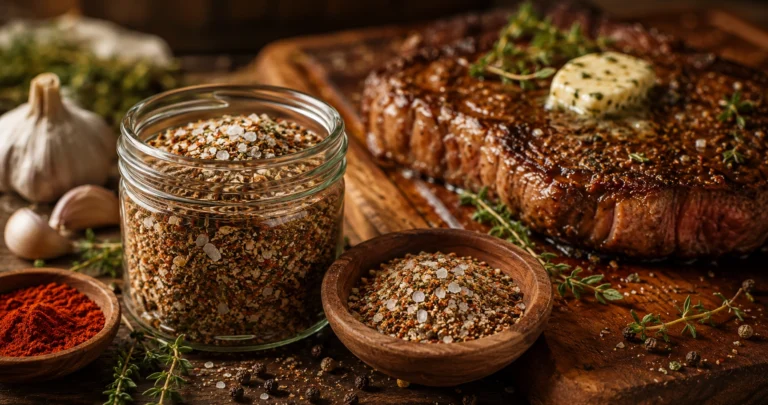
Steak seasoning is usually designed for direct, high-heat cooking. It often contains coarser salt, larger pepper pieces, and seasonings intended to create a flavorful crust.
Pot roast seasoning is balanced for long cooking in liquid. The powdered onion and garlic dissolve into the broth, while thyme and rosemary flavor the vegetables and gravy over several hours.
Steak seasoning can season the surface of a roast, but it may not provide enough onion, garlic, or herbs to flavor the entire pot.
Pot Roast Seasoning vs Onion Soup Mix
Onion soup mix has a concentrated onion flavor and may contain bouillon, salt, sugar, starch, or dried onion pieces.
Pot roast seasoning uses onion as one part of a broader herb and spice blend. Garlic, paprika, thyme, rosemary, and pepper support the beef without making onion the dominant flavor.
The two can serve similar comfort-food recipes, but they are not direct replacements for each other. Adding both to the same roast may create more salt than the meal needs.
Pot Roast Seasoning vs Au Jus Mix
Au jus mix is designed primarily to create a seasoned beef cooking liquid or dipping broth. It may include bouillon, starch, salt, and concentrated beef flavor.
Pot roast seasoning is applied directly to the meat and is intended to flavor the beef, vegetables, and broth together.
Homemade Au Jus Mix may be added when a deeper beef broth is wanted, but the salt in both blends should be considered before combining them.
The finished pot roast has a savory beef flavor supported by onion, garlic, thyme, rosemary, paprika, and black pepper.
The herbs become milder during cooking and spread through the broth rather than remaining concentrated on the meat. The potatoes and carrots absorb part of the seasoned liquid while retaining their own flavor.
Chuck roast becomes tender as its connective tissue softens during slow cooking. The meat should separate easily with a fork without becoming dry or stringy.
The cooking liquid remains thinner than gravy until it is reduced or thickened. This makes it easy to adjust the final texture according to how the roast will be served.
Should Pot Roast Be Seasoned Before or After Searing?
Season the roast before searing so the spices make direct contact with the meat and become part of the browned surface.
Patting the roast dry first helps the seasoning adhere and allows the meat to brown rather than steam.
Searing is optional. A roast placed directly into the slow cooker will still become tender and flavorful, but browning adds deeper roasted notes to the beef and cooking liquid.
When skipping the searing step, apply the full seasoning batch before placing the roast in the cooker.
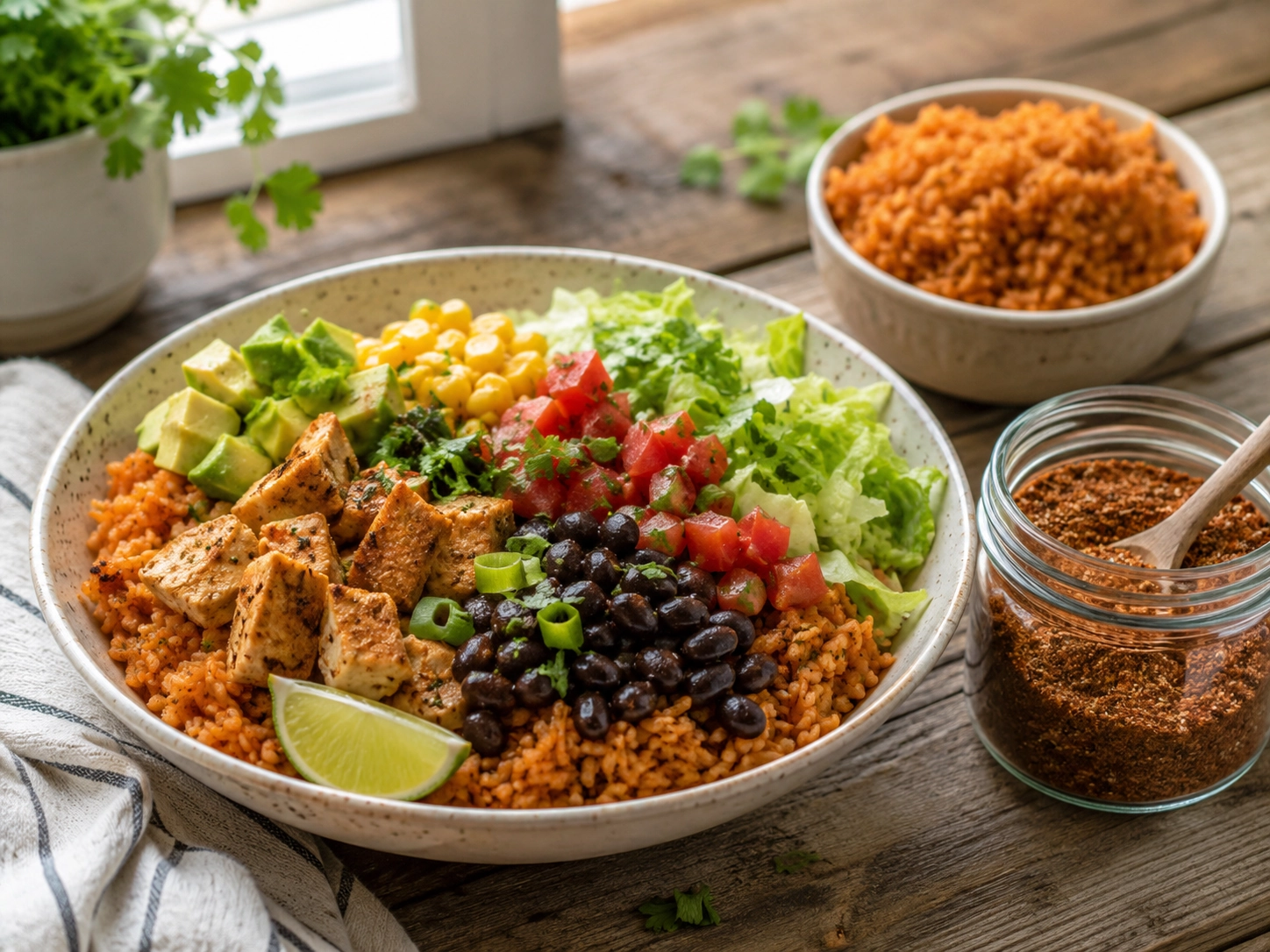
Serving Ideas
Use Homemade Pot Roast Seasoning for:
Storage & Make-Ahead Tips
Pantry Storage
Store the dry seasoning in an airtight container in a cool, dry pantry.
Keep it away from steam, direct sunlight, and heat, which can weaken the herbs and cause the powders to clump.
Freezer Suitability
The dry seasoning does not need to be frozen.
Prepared pot roast freezes well for up to three months. Cool the meat, vegetables, and cooking liquid before transferring them to airtight freezer-safe containers.
Shelf Life
For the strongest flavor, use the dry seasoning within six months.
The blend may remain usable longer, but paprika, thyme, rosemary, garlic powder, and onion powder gradually lose aroma during storage.
Make-Ahead Notes
Prepare several individual seasoning batches and store each one in a small labeled container.
The roast can be seasoned up to 24 hours before cooking and refrigerated in a covered container. Cooked pot roast can also be refrigerated with some of its cooking liquid for up to four days, which helps keep the meat moist during reheating.
Common Questions
What is pot roast seasoning made of?
Homemade pot roast seasoning contains onion powder, garlic powder, paprika, thyme, rosemary, salt, and black pepper. The blend is designed to season both the beef and the cooking liquid.
Can I use pot roast seasoning in a slow cooker?
Yes. Apply the seasoning to the roast, place the meat in the slow cooker, and add approximately 1½ cups of low-sodium beef broth along with the vegetables.
Can I use a different cut of beef?
Yes. Bottom round, rump roast, and brisket can be used, although their texture and cooking time may differ.
Chuck roast is especially dependable because its marbling and connective tissue become tender during long, moist cooking.
Should I add flour to the seasoning?
No. Keeping flour and cornstarch out of the stored blend allows the roast to be seared without the seasoning becoming gummy or burning.
Thicken the cooking liquid after the roast is finished.
How do I reduce the salt?
Reduce the fine salt in the blend to 1 teaspoon and use unsalted or low-sodium broth.
Taste the cooking liquid after the roast is finished before adding more salt, especially when Worcestershire sauce, au jus mix, or another prepared ingredient is included.
Next Real Food Upgrade
After making your own Homemade Pot Roast Seasoning, try Homemade Au Jus Mix. Both are practical beef-seasoning staples, but au jus mix creates a concentrated savory broth for pot roast, French dip sandwiches, beef and noodles, and other slow-cooked meals.